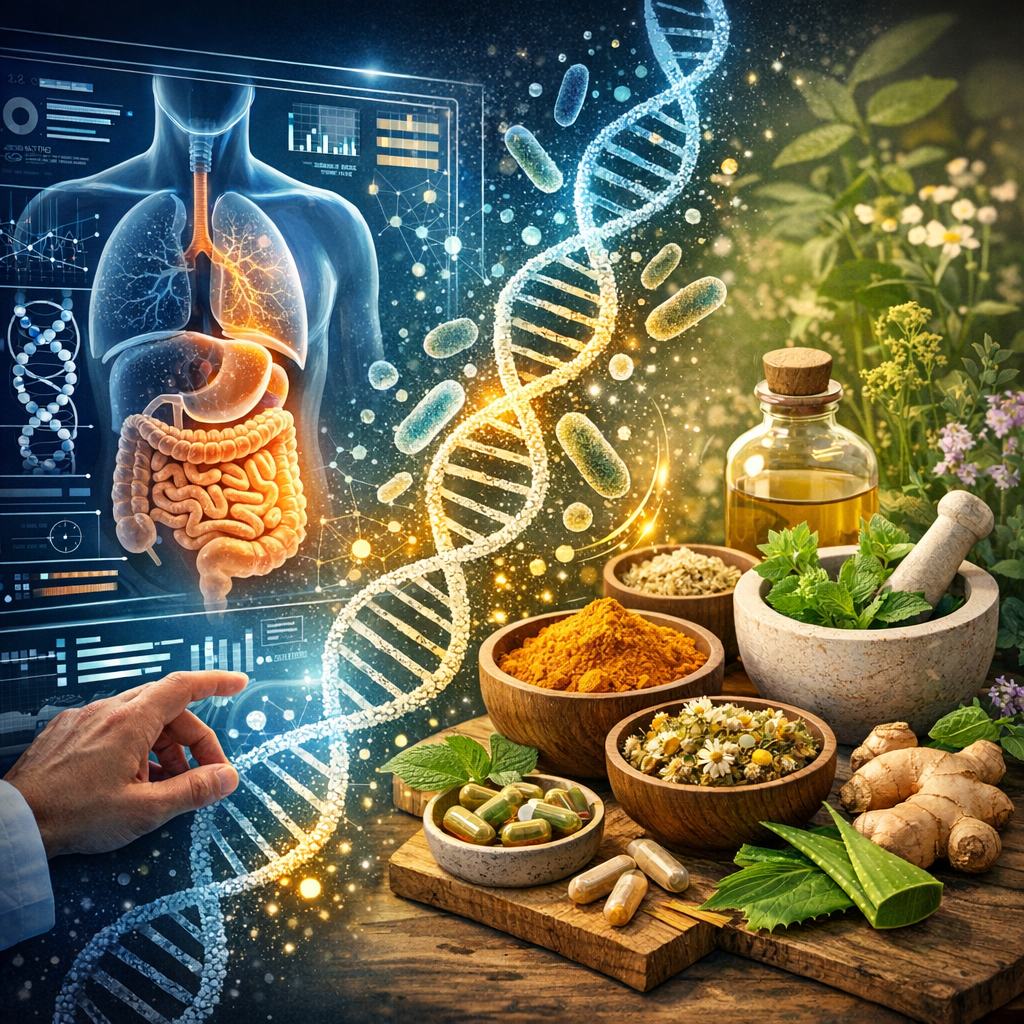
Decoding the Gut-Immune System Dialogue: A New Era in Personalized Gut Health Strategies
Introduction
In recent years, the scientific community has increasingly recognized the complexity of the relationship between the gut and the immune system. This intricate interaction, often termed the “gut-immune system dialogue,” opens new pathways for understanding not only digestive health but also overall well-being. The gut is more than a mere digestive organ; it acts as a dynamic ecosystem housing trillions of microorganisms and plays a vital role in immune regulation. Essentially, the gut processes and mediates responses to what we ingest daily.
One key insight from recent research is that a healthy gut microbiome can significantly enhance immune function, potentially preventing various diseases. Conversely, an imbalanced gut microbiome, known as dysbiosis, has been linked to numerous conditions, such as inflammatory bowel disease, allergies, and even autoimmune disorders. Understanding this dialogue heralds a new era of personalized gut health strategies that use natural remedies and herbal treatments to support this essential bodily function.
Natural herbs and supplements have been used for centuries to promote gut health and modulate the immune system. With modern scientific tools, researchers can now elucidate how these traditional remedies interact with the gut microbiome and immune cells. This knowledge allows for the development of gut health strategies tailored to individual needs, promising more effective and holistic treatments.
For individuals seeking to optimize gut and immune health, understanding this relationship and the available natural interventions can be transformative. From probiotics and prebiotics to herbal treatments like turmeric and ginger, there are numerous options. These can be tailored to enhance gut health and fine-tune immune responses, providing a sustainable way to achieve overall wellness.
Features
Recent scientific studies have shed light on the gut-immune system dialogue, highlighting the intricate role of the gut microbiome in modulating immune responses. A study published in [Nature Reviews Immunology](https://www.nature.com/articles/nri3153) emphasizes the crucial interaction between the gut microbiota and the host’s immune system. The research indicates that specific bacterial strains enhance the production of anti-inflammatory compounds, helping regulate immune responses and promote homeostasis (*Hooper et al.*, 2012).
Furthermore, a groundbreaking study by the [National Institutes of Health (NIH)](https://www.nccih.nih.gov/health/probiotics-in-depth) highlights the impact of probiotics—live microorganisms which, when administered in adequate amounts, confer a health benefit on the host. Certain probiotics have been shown to enhance the gut barrier’s integrity, preventing harmful pathogens from entering systemic circulation (NIH, 2011). These beneficial bacteria can upregulate the production of regulatory T-cells, crucial for maintaining immune tolerance and preventing autoimmune diseases.
Herbal treatments also play a pivotal role in this dialogue. Turmeric, for example, has been extensively researched for its anti-inflammatory properties. The active compound in turmeric, curcumin, has been shown to modulate the gut microbiota favorably and possesses potent immunomodulatory effects. A study published in the [Journal of Clinical Immunology](https://www.clinicalimmunologyjournal.com) demonstrated that curcumin could significantly reduce inflammatory markers while enhancing the proliferation of beneficial gut bacteria (*Gupta et al.*, 2013).
Ginger is another herb gaining attention for its gut and immune benefits. Rich in bioactive compounds like gingerol, it has been used as a natural anti-nausea remedy for centuries. Recent studies suggest that ginger can modulate the immune system by reducing the production of pro-inflammatory cytokines, thus promoting a balanced immune response ([Lete et al., 2016](https://journals.sagepub.com/home/imi)).
With the advent of personalized medicine, there is growing interest in identifying specific herbal treatments and probiotic strains best suited for individual health profiles. Personalized gut health strategies account for variations in the gut microbiome and genetic differences, offering tailored recommendations that maximize benefits and minimize side effects.
Conclusion
The dialogue between the gut and immune system is a critical component of maintaining health and preventing disease. As research deepens, the potential for harnessing this interaction through personalized strategies continues to grow. Natural remedies, including herbal treatments and probiotics, offer promising avenues for enhancing gut health and modulating immune responses. By understanding these complex interactions and utilizing the potential of personalized medicine, individuals can achieve a harmonious balance that promotes overall wellness. This new era of gut health strategies heralds a future where health interventions are as unique as our microbiomes, paving the way for optimized health and vitality.
Concise Summary
The intricate interaction between the gut and the immune system, known as the “gut-immune system dialogue,” is vital for maintaining overall health. A balanced gut microbiome enhances immune function, potentially preventing diseases, while dysbiosis is linked to various conditions. Personalized gut health strategies utilizing natural remedies such as probiotics, prebiotics, turmeric, and ginger can enhance gut health and modulate immune responses. These strategies consider individual microbiome variations and genetic differences, offering tailored solutions for optimal wellness. As research advances, the role of the gut-immune system dialogue in personalized medicine becomes increasingly significant.