Precision Microbiome Engineering: The Future of Gut Health Tailored to Your DNA
In recent years, the importance of gut health has gained significant traction, not just in medical circles but also among individuals keen on holistic wellness. The gut microbiome, a vast ecosystem of trillions of microorganisms residing in our digestive tract, plays a crucial role in overall health, influencing everything from digestion and immunity to mental health and chronic disease prevention. As research into the microbiome advances, a new frontier has emerged: precision microbiome engineering. This innovative approach seeks to tailor interventions based on the unique genetic makeup of individuals, offering insights into personalized gut health optimization.
Precision microbiome engineering is a synthesis of genetic research and microbiome science. The concept roots in the realization that each person’s microbiome is as unique as their fingerprint, shaped by a range of factors including diet, lifestyle, environment, and, importantly, genetics. The Human Microbiome Project has been pivotal in highlighting the diverse roles microorganism communities play in human health and disease. Now, leveraging DNA sequencing technologies, researchers are uncovering how individual genetic variations affect our microbiome compositions. This understanding paves the way for bespoke interventions that can preemptively counteract potential health problems by optimizing gut flora profiles.
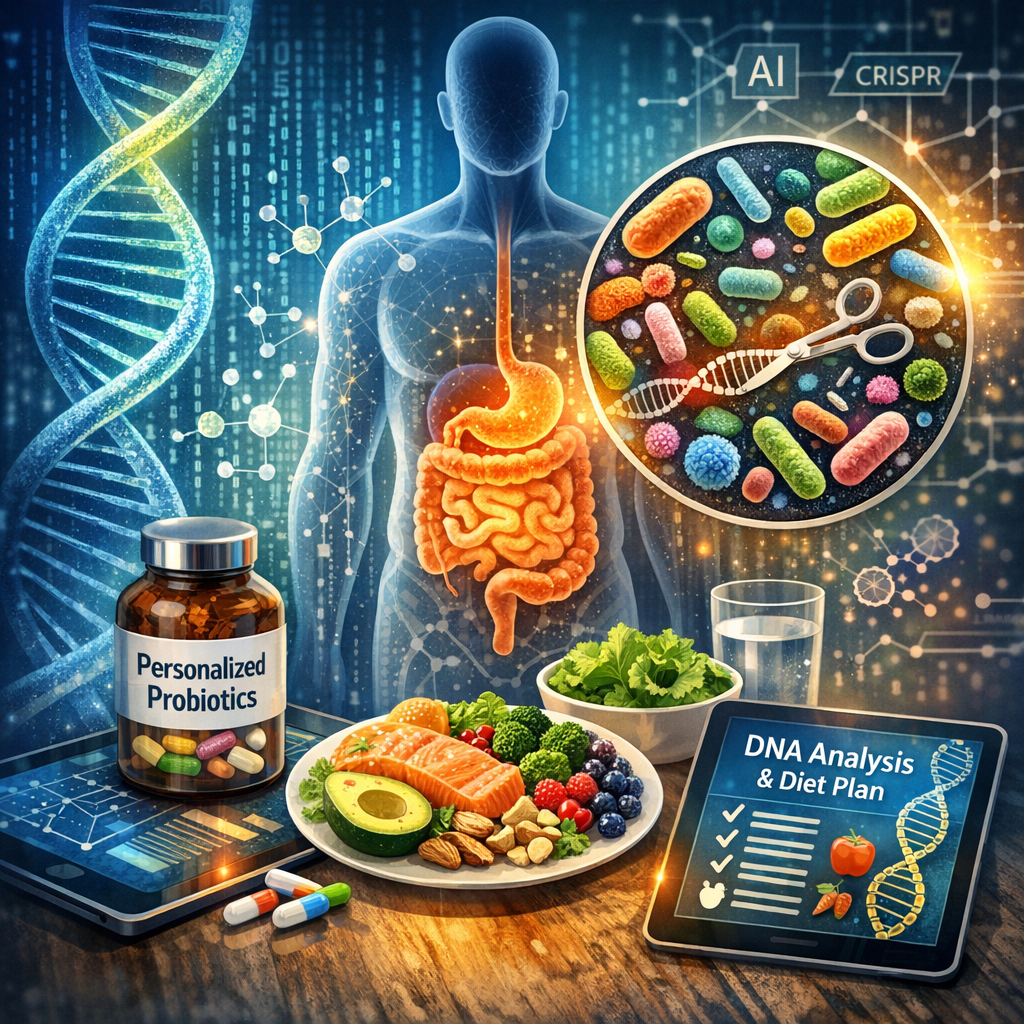
Unlike the traditional ‘one-size-fits-all’ approach often seen in probiotics or dietary recommendations, precision microbiome engineering champions a tailored strategy. Imagine treatment plans where probiotics are specifically chosen to complement your genetic predispositions, or dietary suggestions refined to support the specific strains of beneficial bacteria you naturally harbor. It’s a future where gut health management becomes proactive, data-driven, and personalized, promoting not only the resolution of specific disorders such as irritable bowel syndrome (IBS) and inflammatory bowel disease (IBD) but also enhancing general wellness and disease resistance.
While still in its nascent stages, the potential of precision microbiome engineering is being explored in numerous groundbreaking studies. One such study, published in the journal [Cell](https://www.cell.com/), illustrated how personalized nutrition based on gut microbiome analysis led to better blood sugar control in individuals. This research underscores the potential for personalized gut health interventions to drive not only digestive health but also overall metabolic functioning.
Features
Recent medical and scientific studies provide a strong foundation for the potential of precision microbiome engineering. The Gut Microbiome Health Report, a collaborative study from King’s College London and Massachusetts General Hospital, emphasizes the promise of integrating genetic personalization into gut health practices. This study assessed thousands of participants, revealing that bespoke dietary and probiotic recommendations based on genetic and microbiome analyses could effectively manage and even prevent gastrointestinal disorders.
Moreover, a study published in the journal [Nature Microbiology](https://www.nature.com/naturemicrobiology) utilized metagenomic and metabolomic analyses to distinguish the functional capabilities of individual microbiomes, and how these functionalities correlate with host genetics. It highlighted that individuals with particular genetic markers show variances in microbiome richness and diversity, impacting their vulnerability to metabolic disorders. Such findings advocate for the customization of microbiome-focused interventions to leverage these genetic distinctions.
In another compelling study, scientists at the [University of California, San Diego](https://ucsdnews.ucsd.edu/), explored how CRISPR-based technologies could facilitate targeted microbiome modifications. By editing specific genes in gut bacteria, researchers can potentially alter microbial communities to enhance health markers optimally. These studies collectively underscore a growing consensus in the scientific community that personalized microbiome strategies, grounded in genetic data, hold revolutionary potential.
The integration of advanced technologies such as artificial intelligence (AI) and machine learning (ML) reinforces these studies’ findings, as AI-driven models can predict an individual’s health risks and optimal interventions based on genetic and microbiomic data. Such predictive analytics are poised to become essential tools in designing custom microbiome-based therapies.
Conclusion
Precision microbiome engineering stands at the cutting edge of personalized medicine, offering promising avenues for enhancing gut health through a genetic lens. This innovative approach is not just about treating gut-related disorders but encapsulates a broader vision of preventive health care, where interventions are meticulously tailored to individual genetic profiles. As research continues to flourish in this domain, future scenarios may see the commercialization of personalized probiotics, diet plans, and therapeutic strategies designed to not just cure but fortify and rejuvenate our overall health. The future of gut health, intricately intertwined with our DNA, marks an exciting new chapter in both medical science and personalized wellness.
Concise Summary:
Precision microbiome engineering combines genetic research and microbiome science to create personalized gut health interventions based on an individual’s unique genetic makeup. By leveraging DNA sequencing and technologies like AI and machine learning, researchers aim to optimize microbiome compositions, thus enhancing health outcomes from digestion to disease prevention. Emerging studies show potential in preventing disorders like IBS and IBD through tailored probiotics and diet plans. As the field advances, personalized medicine could revolutionize preventive healthcare, making therapies more precise and effective for individual needs.
References
1. Human Microbiome Project: [NIH Human Microbiome Project](https://www.nih.gov/news-events/nih-research-matters/understanding-human-microbiome)
2. Cell Journal on Personalized Nutrition: [Cell](https://www.cell.com/)
3. Nature Microbiology Study: [Nature Microbiology](https://www.nature.com/naturemicrobiology)
4. University of California, San Diego CRISPR Research: [UCSD News Center](https://ucsdnews.ucsd.edu/)