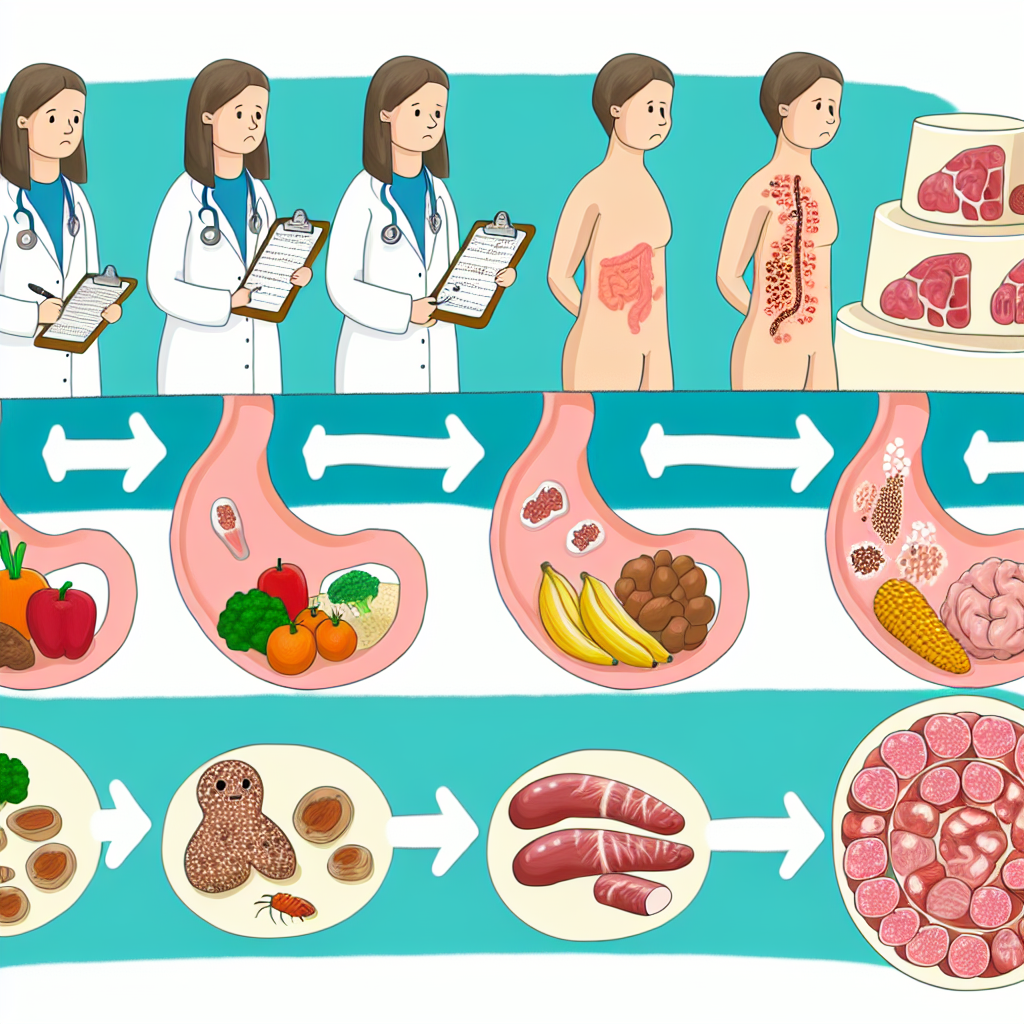
The Role of Gut Metabolites in Personalized Medicine: Unlocking New Pathways for Chronic Gut Healing
Introduction:
In recent years, there has been a burgeoning interest in the gut microbiome and its profound impact on human health. At the heart of this interest is the exploration of gut metabolites—chemical compounds produced by the metabolic activities of gut microbiota. These metabolites are gaining attention for their substantial role in personalized medicine, particularly in the context of chronic gut health issues. With an increasing number of individuals seeking natural cures and herbal treatments, understanding the role of gut metabolites can unlock new pathways to promote healing and restore balance within the gastrointestinal system.
Gut health does not exist in isolation; it is intricately linked to various bodily systems, impacting immunity, mental health, and chronic diseases. Gut metabolites serve as critical mediators in this interaction by influencing numerous physiological processes. They play a pivotal role in maintaining the integrity of the gut barrier, modulating immune responses, and participating in complex biochemical pathways that affect everything from nutrient absorption to neurotransmitter synthesis.
Traditional approaches to treating chronic gut conditions have often relied on pharmaceuticals that may not address the underlying causes or provide personalized solutions. However, the emergence of personalized medicine offers a more tailored approach, using gut metabolites as biomarkers to guide this precision. By understanding the specific metabolomic profile of an individual, healthcare providers can recommend targeted nutritional and lifestyle changes, including the incorporation of specific herbs and natural remedies, to support gut health.
Recent advancements in sequencing technologies and metabolomics have paved the way for deeper insights into how these metabolites function and how they can be harnessed therapeutically. For example, short-chain fatty acids (SCFAs) such as butyrate, acetate, and propionate, produced by fermentation of dietary fibers, are known to exert significant beneficial effects on the gut lining and systemic inflammation. This growing body of knowledge emphasizes the importance of dietary habits and fiber-rich foods as cornerstones of gut health management.
As we continue to unravel the complexities of gut metabolites, the potential for personalized interventions offers a promising horizon. By tailoring treatments based on an individual’s unique gut metabolomic profile, chronic gut conditions can be addressed more effectively, enhancing overall health outcomes and quality of life.
Features:
Several professional and medical studies underscore the critical role of gut metabolites in shaping personalized medicine. A groundbreaking study published in the journal [Nature Medicine](https://www.nature.com/articles/s41591-020-1006-1) explored the connection between gut metabolites and various health outcomes, highlighting their potential for personalized therapies. The study emphasized the role of SCFAs in modulating both local gut and systemic immune responses, displaying anti-inflammatory properties that could benefit conditions like irritable bowel syndrome (IBS) and inflammatory bowel diseases (IBD).
Moreover, a comprehensive review in the [Journal of Clinical Investigation](https://www.jci.org/articles/view/141685) examined the link between gut microbiota-derived metabolites and metabolic disorders. It identified key metabolites such as tryptophan derivatives and bile acids, which play crucial roles in energy homeostasis and metabolic regulation. The review concluded that understanding these metabolic pathways could lead to novel interventions for conditions like obesity and type 2 diabetes, illustrating the broader implications of gut health.
In the realm of herbal treatments, ongoing research is exploring how specific plant-derived compounds interact with gut metabolites to promote health. Curcumin, found in turmeric, has been studied for its potential to modulate the gut microbiota and enhance the production of beneficial metabolites. A study in the [Journal of Agricultural and Food Chemistry](https://pubs.acs.org/doi/abs/10.1021/acs.jafc.0c04672) reported that curcumin supplementation in mice resulted in increased levels of SCFAs and positively altered gut microbial composition, suggesting potential therapeutic applications in human gut health.
Similarly, polyphenols from green tea and flavonoids in grapes have been shown to impact gut metabolite profiles. A study published in the [British Journal of Nutrition](https://www.cambridge.org/core/journals/british-journal-of-nutrition/article/abs/polyphenols-and-gut-health/38D51D7D9C7B4E9D7EA6B9CCA39466A2) demonstrated improved gut barrier function and reduced gut inflammation following polyphenol intake, attributing these effects to shifts in metabolite production.
These studies collectively highlight the transformative potential of gut metabolites in personalized medicine. By leveraging this cutting-edge research, practitioners can create more effective, personalized treatment plans that integrate both natural and medical strategies for gut healing.
Conclusion:
The exploration of gut metabolites represents a paradigm shift in personalized medicine, particularly for those seeking natural cures and herbal treatments for chronic gut health issues. As our understanding deepens, these metabolites offer promising opportunities to tailor interventions that align with individual health profiles, moving beyond traditional one-size-fits-all approaches. Embracing the potential of personalized gut health strategies, fueled by research and innovation, empowers individuals to achieve holistic well-being and a vibrant quality of life.
References:
– [Nature Medicine](https://www.nature.com/articles/s41591-020-1006-1)
– [Journal of Clinical Investigation](https://www.jci.org/articles/view/141685)
– [Journal of Agricultural and Food Chemistry](https://pubs.acs.org/doi/abs/10.1021/acs.jafc.0c04672)
– [British Journal of Nutrition](https://www.cambridge.org/core/journals/british-journal-of-nutrition/article/abs/polyphenols-and-gut-health/38D51D7D9C7B4E9D7EA6B9CCA39466A2)
Concise Summary: Gut metabolites, produced by gut microbiota, play a crucial role in personalized medicine, impacting areas such as immunity, mental health, and chronic diseases. Leveraging gut metabolites as biomarkers helps in creating tailored treatment plans. Recent studies emphasize the benefits of short-chain fatty acids, curcumin, and polyphenols in enhancing gut health. Understanding these pathways paves the way for novel interventions for conditions like IBS, IBD, obesity, and diabetes, illustrating a shift towards personalized and holistic approaches to chronic gut health management.