The Anti-Inflammatory Potential of Postbiotic Metabolites: Not Your Average Gut Health Strategy
Introduction
In the dynamic world of gut health, the spotlight often shines on probiotics and prebiotics, leaving the unsung heroes, postbiotics, in the shadows. As research evolves, postbiotic metabolites emerge as a potent force in maintaining a healthy digestive system. Unlike probiotics, which are live microorganisms, or prebiotics, which are non-digestible food components promoting beneficial bacteria growth, postbiotics are the metabolic byproducts produced when probiotics digest prebiotics.
These metabolites possess distinctive properties that contribute synergistically to gut health, particularly through their anti-inflammatory properties. Unlike other gut health strategies that focus solely on feeding good bacteria, postbiotics provide direct benefits by interacting with the gut mucosa and immune system, offering new avenues for those seeking natural and herbal solutions to gut problems.
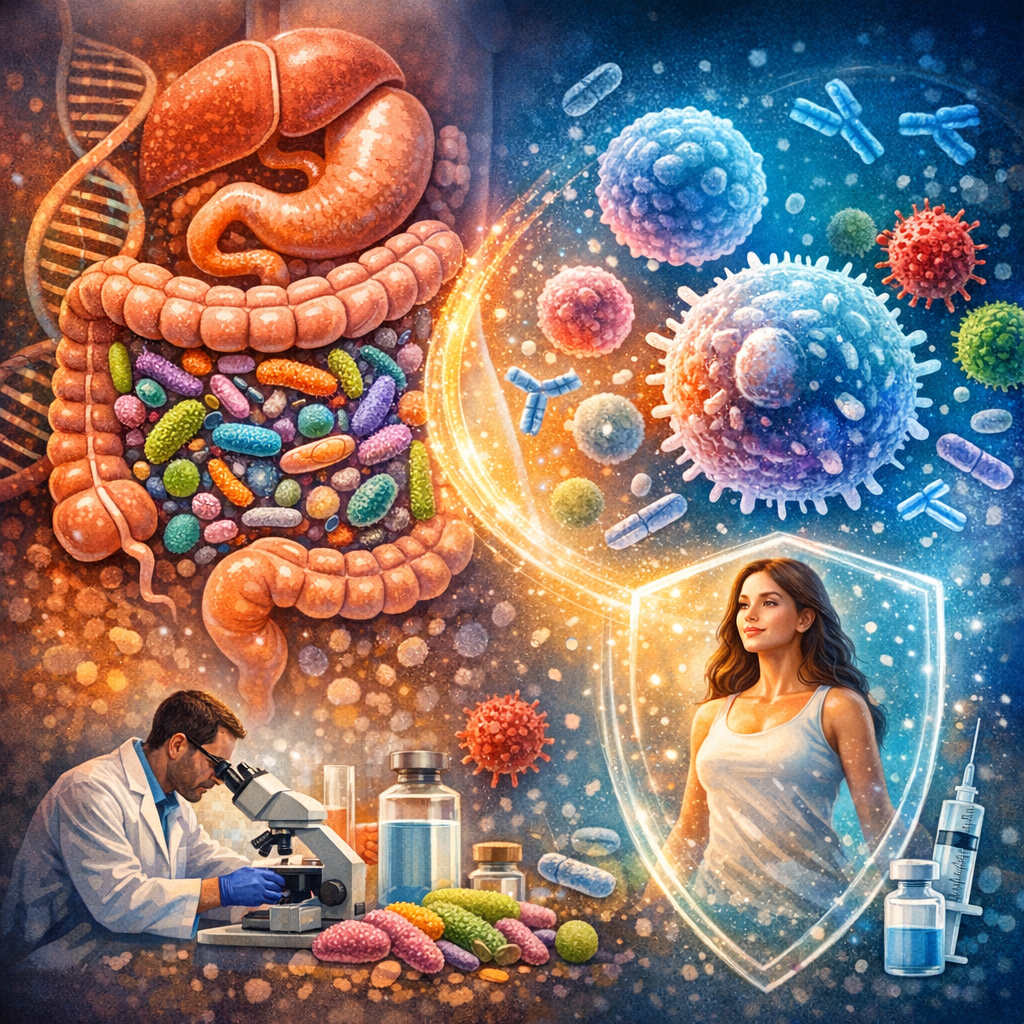
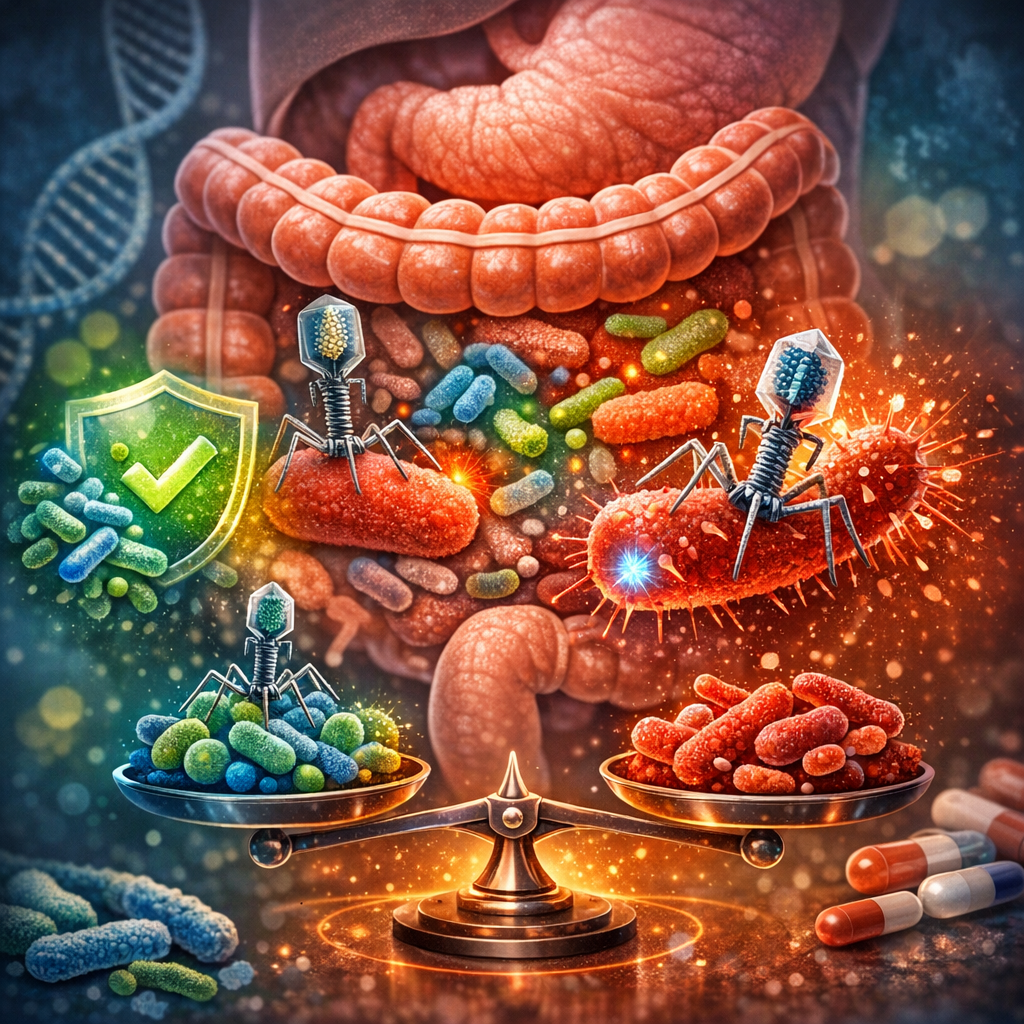
The gut microbiome plays a critical role in regulating inflammation, a process linked to several chronic conditions. An imbalance in the microbiome can trigger inflammatory responses, leading to digestive disorders like irritable bowel syndrome (IBS), inflammatory bowel disease (IBD), and extending to systemic conditions such as arthritis and cardiovascular diseases. Here’s where the anti-inflammatory potential of postbiotics becomes crucial. Their ability to modulate the immune system offers new hope for managing these inflammatory conditions naturally and effectively.
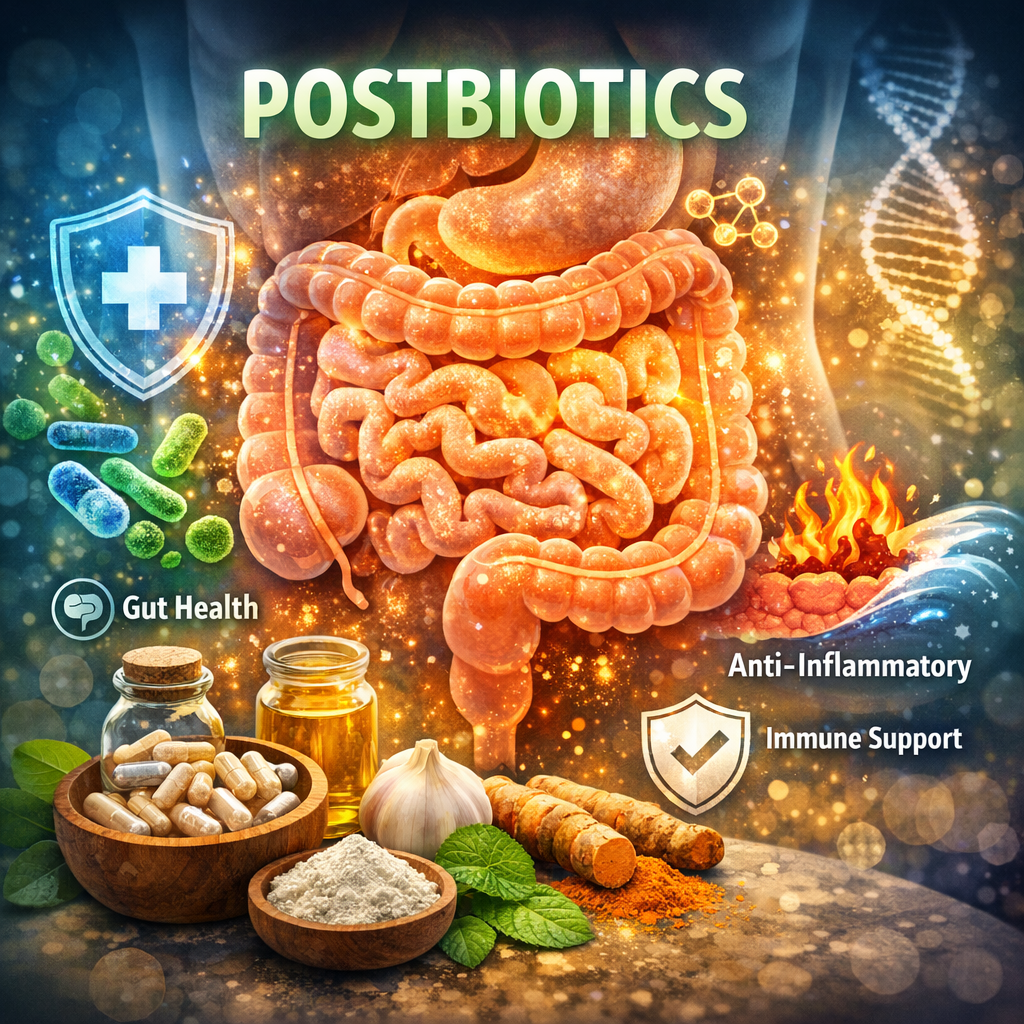
Postbiotic metabolites include short-chain fatty acids (SCFAs), enzymes, peptides, polysaccharides, and cell wall fragments resulting from the fermentation processes of probiotic bacteria. These compounds positively impact gut health by enhancing intestinal barrier integrity, reducing inflammation, and balancing immune responses. Their role can be transformative for those struggling with inflammation-driven gut health issues, providing relief and promoting overall well-being.
Features
Recent studies and clinical trials have been honing in on the unique benefits of postbiotics. Research published in [“Nature Reviews Gastroenterology & Hepatology”](https://www.nature.com/articles/s41575-019-0172-3) suggests that postbiotic metabolites, particularly short-chain fatty acids like butyrate, play a pivotal role in maintaining intestinal homeostasis and suppressing inflammation. Butyrate encourages the production of tight junction proteins, strengthening the gut barrier and preventing the translocation of harmful substances that can trigger inflammatory responses.
Furthermore, a study in [“Frontiers in Immunology”](https://www.frontiersin.org/articles/10.3389/fimmu.2019.00116/full) discovered that postbiotics could modulate the gut-associated lymphoid tissue, crucial in managing the immune response. These metabolites influence cytokine production—key players in inflammation—which helps in reducing inflammatory responses both in the gut and systemically.
Moreover, clinical trials have highlighted the potential of postbiotics in addressing specific gut disorders. A 2021 randomized control trial demonstrated that postbiotic supplementation could alleviate symptoms in patients with IBS, improving their quality of life significantly. The trials noted an improvement in digestive symptoms, attributed to reduced intestinal inflammation and enhanced microbial balance. [PubMed](https://pubmed.ncbi.nlm.nih.gov/33446002/)
Another intriguing aspect of postbiotics is their application beyond the gut. Their systemic anti-inflammatory effects suggest potential roles in managing metabolic syndromes, cardiovascular health, and even mental health concerns like depression and anxiety, increasingly linked to gut health. [Journal of Psychiatric Research](https://www.sciencedirect.com/science/article/abs/pii/S0022395620307420)
Conclusion
As scientific exploration continues to unravel the vast potentials of postbiotics, they promise to revolutionize natural gut health strategies. By harnessing the anti-inflammatory properties of postbiotic metabolites, individuals can address both localized and systemic health issues more effectively and naturally. Unlike conventional approaches that may involve medication with side effects, postbiotics offer a holistic option complementing the body’s natural processes. Through ongoing research and increased awareness, postbiotics could soon become a cornerstone in the pursuit of optimal gut health. For those committed to embracing natural remedies, this innovative approach represents a hope-filled horizon in the journey toward comprehensive wellness.
Concise Summary
Postbiotics, the metabolic byproducts of probiotics digesting prebiotics, have promising anti-inflammatory potential for gut health. Unlike probiotics or prebiotics, postbiotics interact directly with the gut mucosa and immune system, offering new avenues for treating conditions like IBS, IBD, and even systemic diseases. Compounds like short-chain fatty acids enhance intestinal barrier integrity and balance immune responses. Current studies highlight their broader application in addressing metabolic and mental health issues, suggesting that postbiotics could become a cornerstone in natural gut health strategies, offering a holistic alternative with fewer side effects compared to conventional medications.