Decoding Gut Symbiosis: How Your Microbiome Could be the Missing Link to Autoimmune Recovery
Introduction
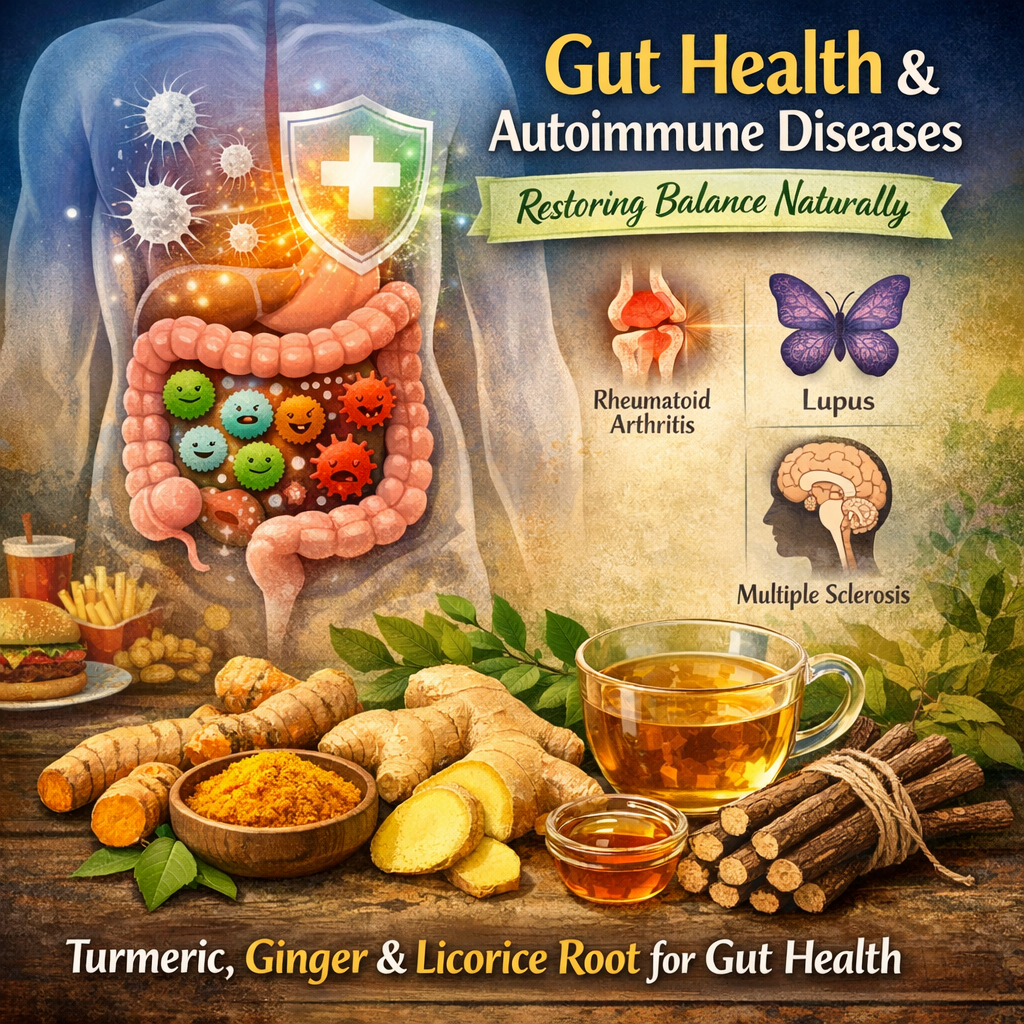
The human gut is an intricate system teeming with trillions of microorganisms, collectively known as the gut microbiome. Over the past two decades, the significance of this microbial community has moved to the forefront of medical research, unveiling its remarkable influence on various aspects of health—particularly the immune system. Emerging studies suggest that the gut microbiome could be pivotal in managing autoimmune diseases, conditions in which the immune system mistakenly attacks the body’s own cells. Autoimmune disorders, such as rheumatoid arthritis, lupus, and multiple sclerosis, have seen a rise in incidence, leaving many to question if modern lifestyle factors might be a contributing cause.
At the heart of this discussion is the concept of gut symbiosis, a state of balance between the host and its microbial residents. This harmonious relationship can be disrupted by poor dietary choices, excessive use of antibiotics, stress, and environmental factors, leading to a state called dysbiosis. Dysbiosis is characterized by an imbalance in the microbial community, with a decline in beneficial bacteria and a surge in harmful ones. This imbalance is implicated in a heightened inflammatory response, potentially triggering or exacerbating autoimmune conditions.
As scientists delve deeper into the connections between the gut microbiome and autoimmune health, the potential for natural cures and herbal treatments becomes increasingly enticing. Herbs and dietary adjustments have been used for centuries to bolster gut health, and contemporary research is beginning to validate these traditional practices. By understanding the role of the microbiome in immune regulation, individuals with autoimmune diseases might find new avenues for managing their symptoms, reducing reliance on pharmaceuticals, and improving their quality of life.
Features
Recent studies have illuminated how the gut microbiome influences the immune system, providing insights into its role in autoimmune diseases. A groundbreaking study published in [Nature](https://www.nature.com/articles/nature20130830) identified specific gut bacteria strains that are significantly reduced in individuals with rheumatoid arthritis compared to healthy individuals, suggesting that restoring these populations could help manage the disease.
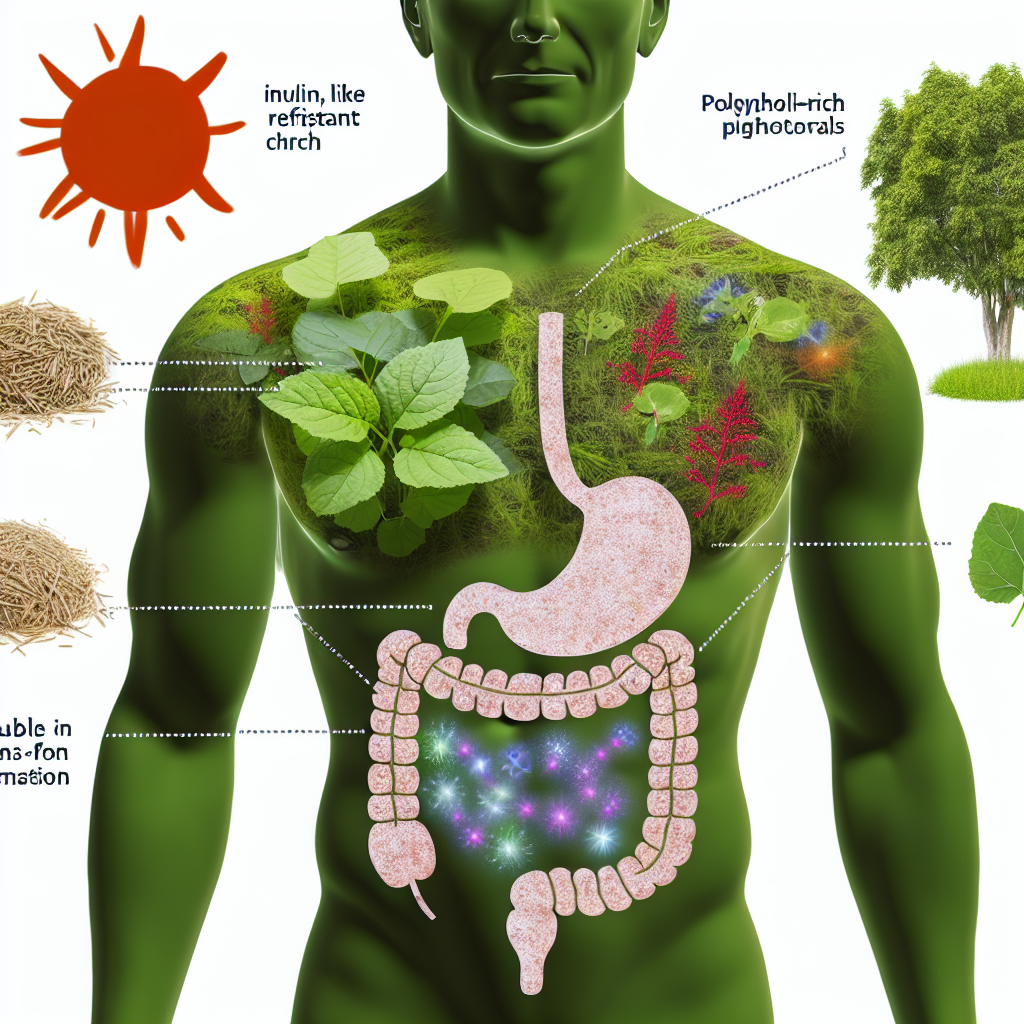
Further research by the [University of California](https://health.ucsd.edu/news/releases/pages/2019-10-30-gut-microbiomes-influence-on-autoimmune-diseases.aspx) provided evidence that certain bacterial metabolites might modulate inflammation, a key component of autoimmune diseases. These metabolites, products of bacterial fermentation of dietary fibers, include short-chain fatty acids (SCFAs) such as butyrate. SCFAs are known to enhance the integrity of the gut lining and regulate immune cell function, potentially reducing inflammation and autoimmune activity.
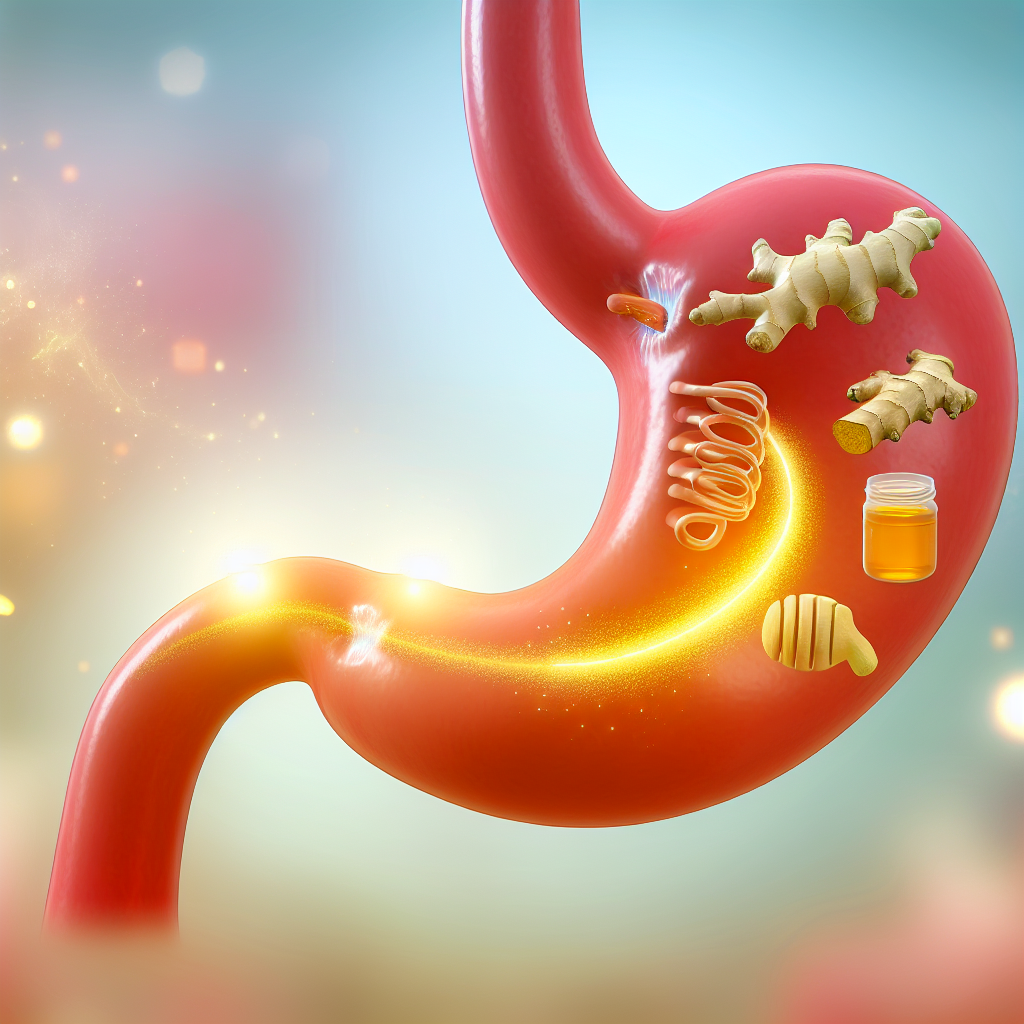
Herbal treatments like turmeric, ginger, and licorice root have demonstrated promising effects on gut health and the immune response. Curcumin, the active compound in turmeric, boasts potent anti-inflammatory properties, shown to inhibit certain pro-inflammatory cytokines involved in autoimmune disorders ([Journal of Clinical Immunology](https://link.springer.com/article/10.1007/s10875-014-0070-4)). Similarly, ginger contains gingerols and shogaols that have both anti-inflammatory and antioxidant effects, aiding in the restoration of gut microbial balance and mitigating autoimmune symptoms ([International Journal of Preventive Medicine](https://www.ncbi.nlm.nih.gov/pmc/articles/PMC3665023/)).
Licorice root, traditionally used in Chinese medicine, is another herb under investigation for its gut-healing properties. Recent studies indicate that glycyrrhizin, a component of licorice, can promote the growth of beneficial gut bacteria and suppress the growth of pathogenic ones, potentially contributing to gut symbiosis and immune regulation ([Phytotherapy Research](https://onlinelibrary.wiley.com/doi/abs/10.1002/ptr.2018)).
The connection between the gut microbiome and autoimmune diseases is gaining clarity and momentum in medical research. While more studies are needed to fully understand these complex interactions, current findings underscore the potential of targeting gut health as part of a comprehensive approach to autoimmune management.
Conclusion
As our understanding of the gut microbiome and its impact on autoimmune diseases expands, it becomes increasingly evident that gut symbiosis could be a missing link in achieving autoimmune recovery. Natural and herbal treatments aimed at restoring gut balance offer promising avenues for those seeking alternatives to conventional pharmaceutical interventions. This holistic approach not only addresses the root of the problem—dysbiosis—but also supports overall health and well-being. For individuals navigating the challenges of autoimmune conditions, integrating practices that enhance gut health could open the door to improved disease management and enhanced quality of life.
Summary
The article explores how the human gut microbiome, a community of trillions of microorganisms, plays a critical role in regulating the immune system and managing autoimmune diseases. Imbalances in this microbial community, known as dysbiosis, can exacerbate autoimmune conditions. Recent research indicates that restoring gut balance through natural methods, such as herbal treatments like turmeric, ginger, and licorice root, may offer new pathways for managing autoimmune disorders. This holistic approach could reduce reliance on pharmaceuticals and improve quality of life by addressing the root causes of autoimmune symptoms.

Dominic E. is a passionate filmmaker navigating the exciting intersection of art and science. By day, he delves into the complexities of the human body as a full-time medical writer, meticulously translating intricate medical concepts into accessible and engaging narratives. By night, he explores the boundless realm of cinematic storytelling, crafting narratives that evoke emotion and challenge perspectives.
Film Student and Full-time Medical Writer for ContentVendor.com