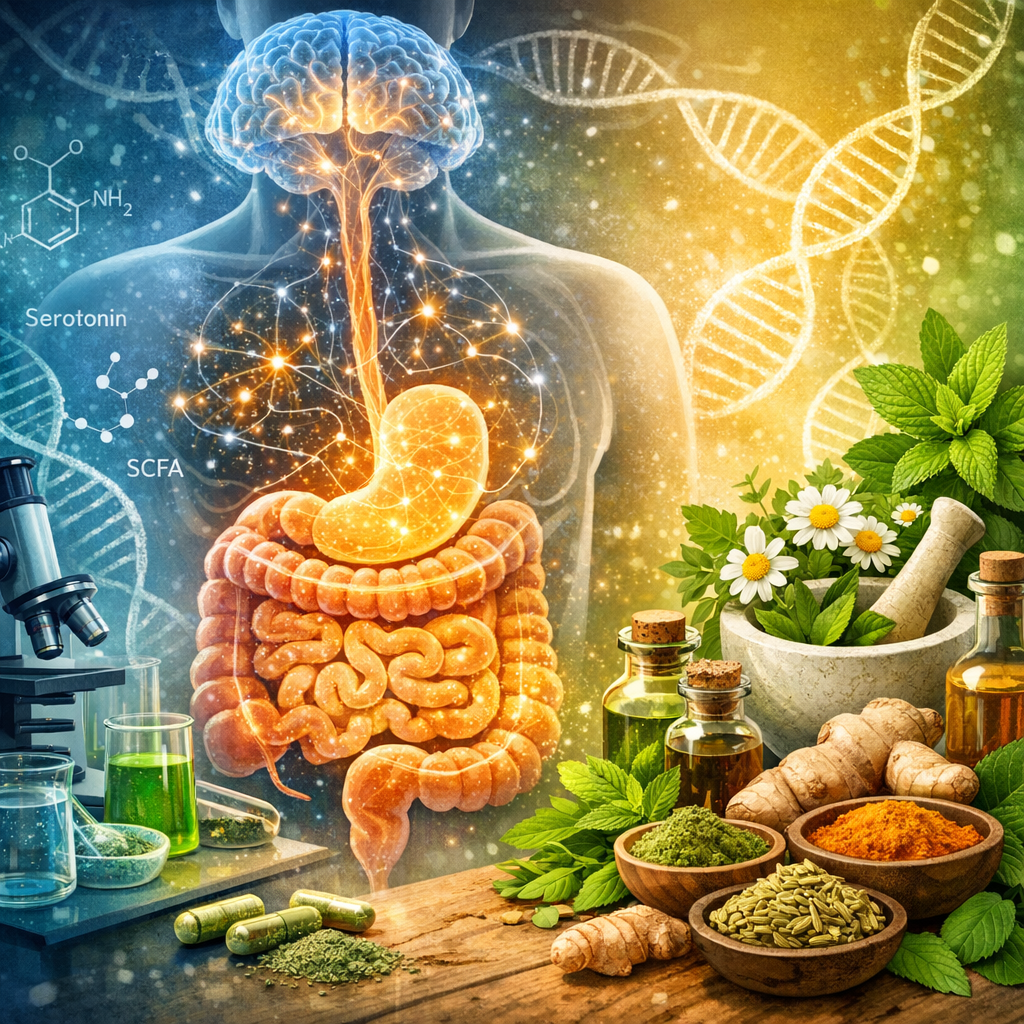
Unlocking the Future of Gut Health: Cutting-Edge Biochemical Pathways Revolutionizing Digestive Healing
The intricacies of the digestive system have long fascinated scientists and healthcare professionals. As our understanding of the gut continues to evolve, a new frontier is emerging that holds immense potential for revolutionizing digestive health. This burgeoning field focuses on biochemical pathways—complex series of chemical reactions occurring within cells—that influence gut health. These pathways are not only responsible for basic gastrointestinal functions but are also pivotal in maintaining the gut microbiome’s balance, influencing the immune system, and even affecting mental health.
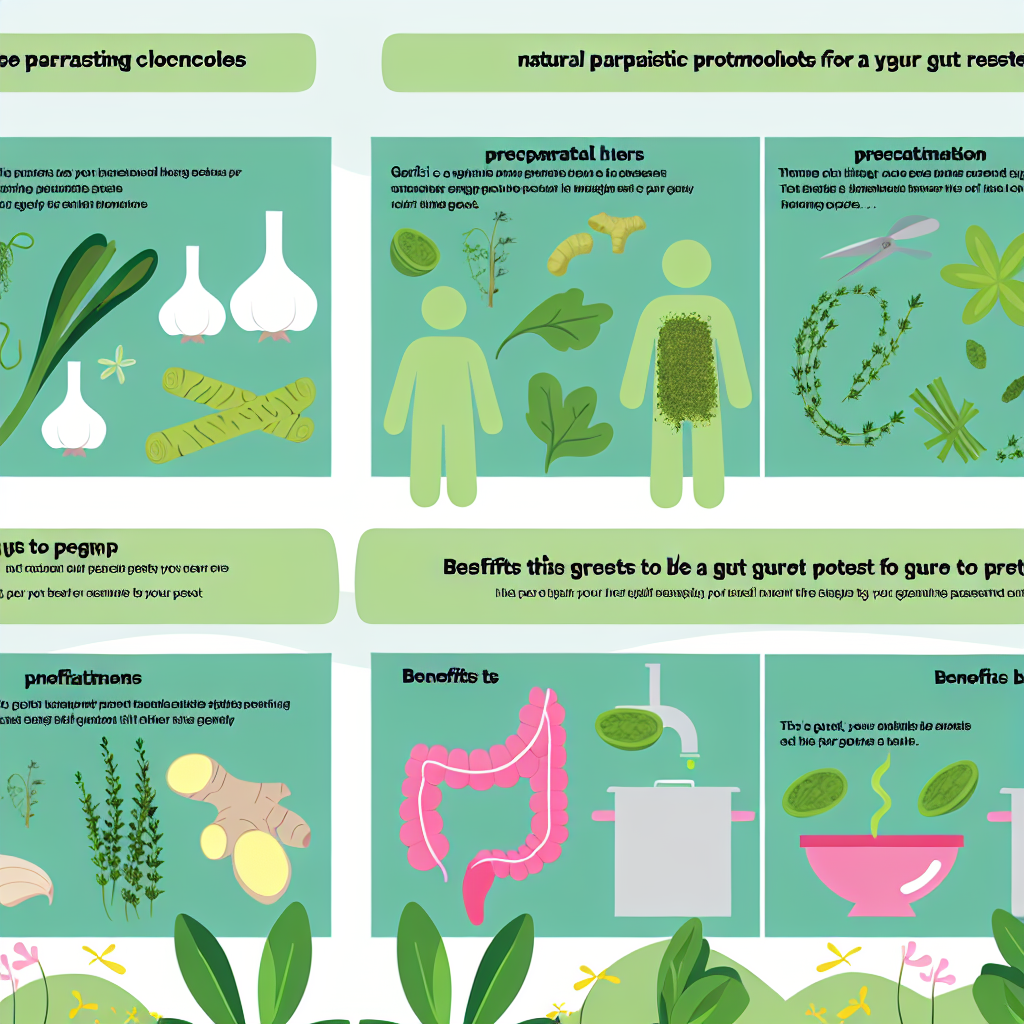
Recent years have seen a surge in the popularity of natural remedies and herbal treatments aimed at promoting gut health. People are increasingly seeking alternatives to conventional pharmaceuticals, hoping to harness the power of nature to maintain their digestive wellness. The fascinating interplay of gut bacteria and the human host is now understood to be a significant player in health and disease. Innumerable studies highlight how a balanced gut microbiome can aid in digestion, enhance immune function, and even contribute to a person’s overall mood and mental health.
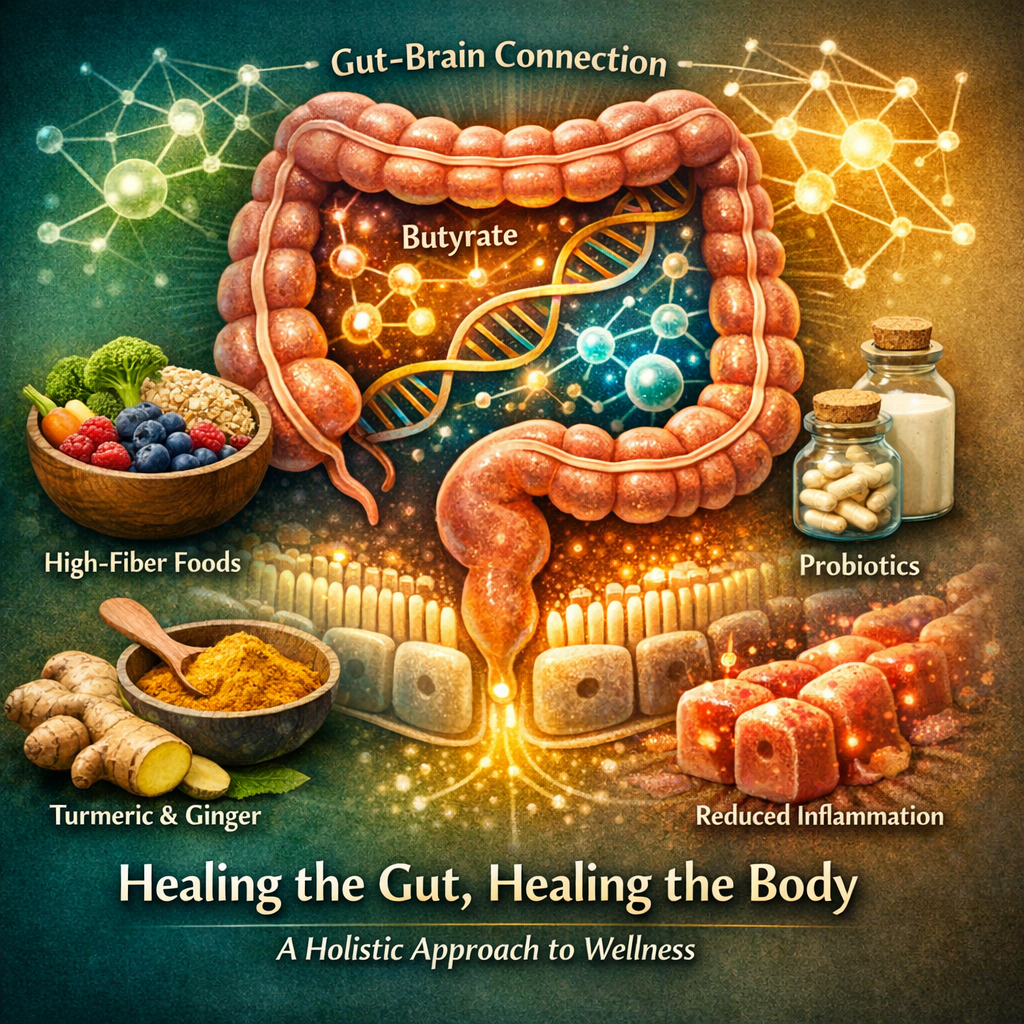
With advancements in biochemical research, a new layer of understanding has been added to the benefits of traditional herbal remedies. From turmeric and ginger, known for their anti-inflammatory properties, to peppermint, recognized for its ability to soothe the digestive tract, these natural treatments are being scrutinized through the lens of modern science. Research into the gut-brain axis, a bidirectional communication between the gut and the brain, is illuminating how these herbal therapies may affect mood and cognitive function.
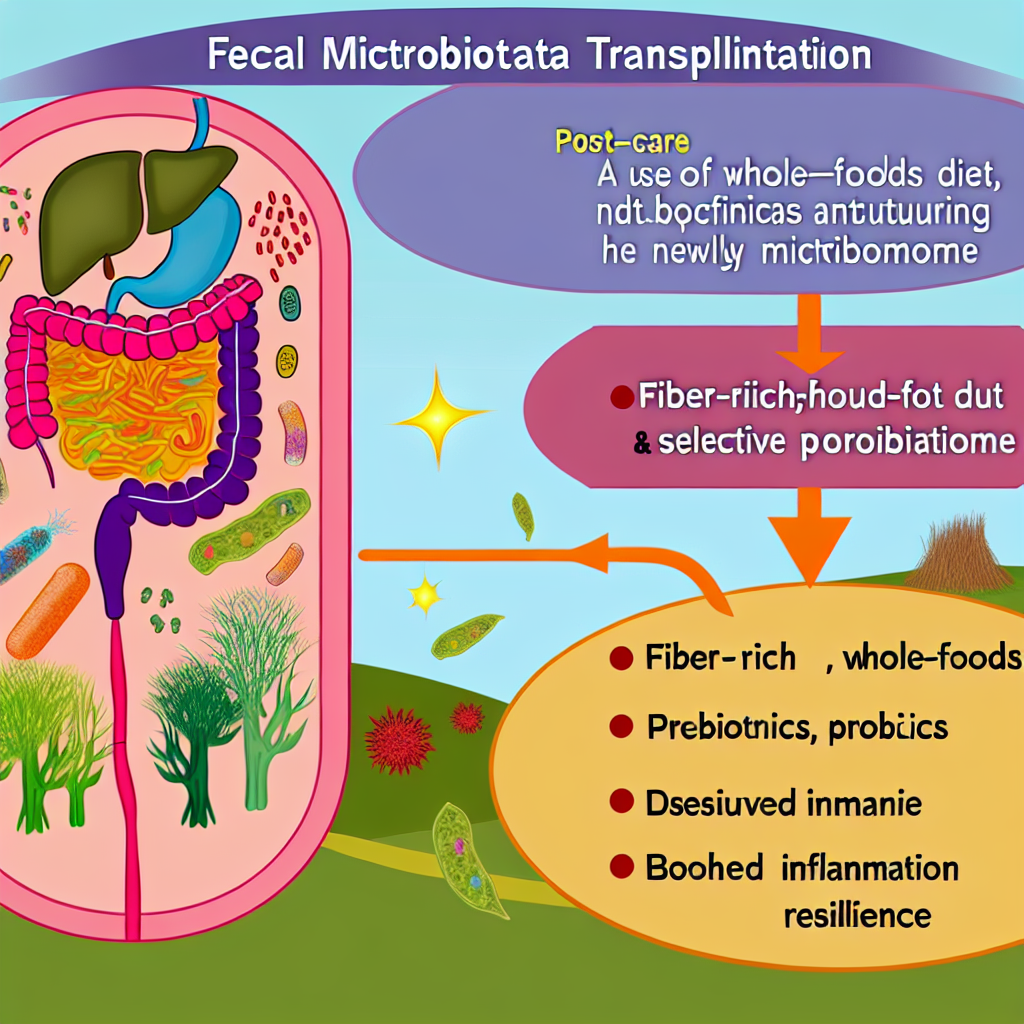
This exploration of biochemical pathways has also propelled the development of new nutritional strategies. Prebiotics, probiotics, and synbiotics have come to the forefront, promising to enhance gut flora health, and thereby improve overall wellness. Understanding how these elements interact with the gut’s biochemical pathways could unlock new dietary guidelines and supplement recommendations that promote optimal digestive health naturally.
As we delve deeper into these complex biological webs, the potential for innovative healthcare solutions grows. The convergence of traditional herbal wisdom and cutting-edge biochemical research offers promising new avenues for those seeking natural, effective treatments for digestive issues.
Features
The exploration of biochemical pathways has unveiled a variety of strategies aimed at optimizing gut health, often spotlighting natural and herbal treatments. One notable study from Harvard University emphasizes the critical role of the gut microbiome in digestion and health. They highlight that an imbalance in the microbiota can lead to several GI disorders. The research stresses the importance of dietary interventions—specifically the ingestion of prebiotics and probiotics—to modulate the gut’s microbiome favorably.
Another groundbreaking study conducted by researchers at the University of California, San Diego reveals the potential benefits of polyphenols, compounds found in herbs and foods such as green tea, berries, and dark chocolate. These compounds have been linked to anti-inflammatory and antioxidant effects within the gut environment, suggesting they can protect against chronic gut inflammation and related diseases.
A noteworthy clinical trial published in the Journal of Clinical Gastroenterology explored the efficacy of traditional herbal cocktails in treating IBS symptoms. The trial demonstrated significant symptom relief and improved quality of life for participants using a blend of peppermint oil, ginger, and fennel, known to relax the intestinal muscles and reduce bloating.
Research from the American Society for Microbiology also underscores the fascinating role of the gut-brain axis. The complex interactions in this axis have been shown to affect depression and anxiety, which are often co-morbid with gut health issues, thereby opening new potentials for herbal treatments that impact this pathway and improve mental health outcomes.
These studies collectively signal a paradigm shift towards a more integrative approach to gut health, combining age-old herbal practices with modern scientific techniques. The ongoing research into biochemical pathways and natural treatments presents promising prospects for those seeking sustainable, non-pharmaceutical options to promote digestive health.
Conclusion
The future of gut health is being transformed through the convergence of biochemistry and natural therapies. By focusing on biochemical pathways, researchers are beginning to unlock the mysteries of digestion, opening pathways to innovative herbal and dietary treatments. This exciting frontier promises not only improved digestive health but also broader implications for overall wellness. As more studies affirm the interconnectedness of our body systems through these pathways, the potential for using natural remedies to harmonize gut function and improve quality of life becomes increasingly actionable. With an informed approach to these groundbreaking developments, individuals can look forward to enhanced gut health powered by nature and science.
Concise Summary:
Biochemical pathways in the gut are unlocking new insights into digestive health, highlighting the benefits of natural and herbal treatments. Recent studies reveal that balanced gut microbiomes, prebiotics, probiotics, and polyphenols can enhance gut and mental health. Research explores traditional remedies like turmeric, ginger, and peppermint through modern scientific lenses, noting their impact on the gut-brain axis. Integrative approaches combining herbal wisdom and cutting-edge science signal promising prospects for non-pharmaceutical digestive solutions, enhancing overall wellness as we understand more about the interconnectedness of body systems.