Harnessing Biome Intelligence: How AI-Driven Gut Profiling is Revolutionizing Personalized Digestive Health
Introduction
In recent years, the intersection of technology and healthcare has resulted in groundbreaking advancements, particularly in the realm of digestive health. One of the most promising innovations is the utilization of artificial intelligence (AI) to decipher the complexities of the human gut microbiome. The gut, often referred to as the “second brain,” houses trillions of microorganisms that play a crucial role in digestion, immune function, and overall wellbeing. Understanding and optimizing gut health can offer insights into various health conditions and metabolic processes. This is where AI-driven gut profiling comes into play, offering personalized insights that were previously out of reach.
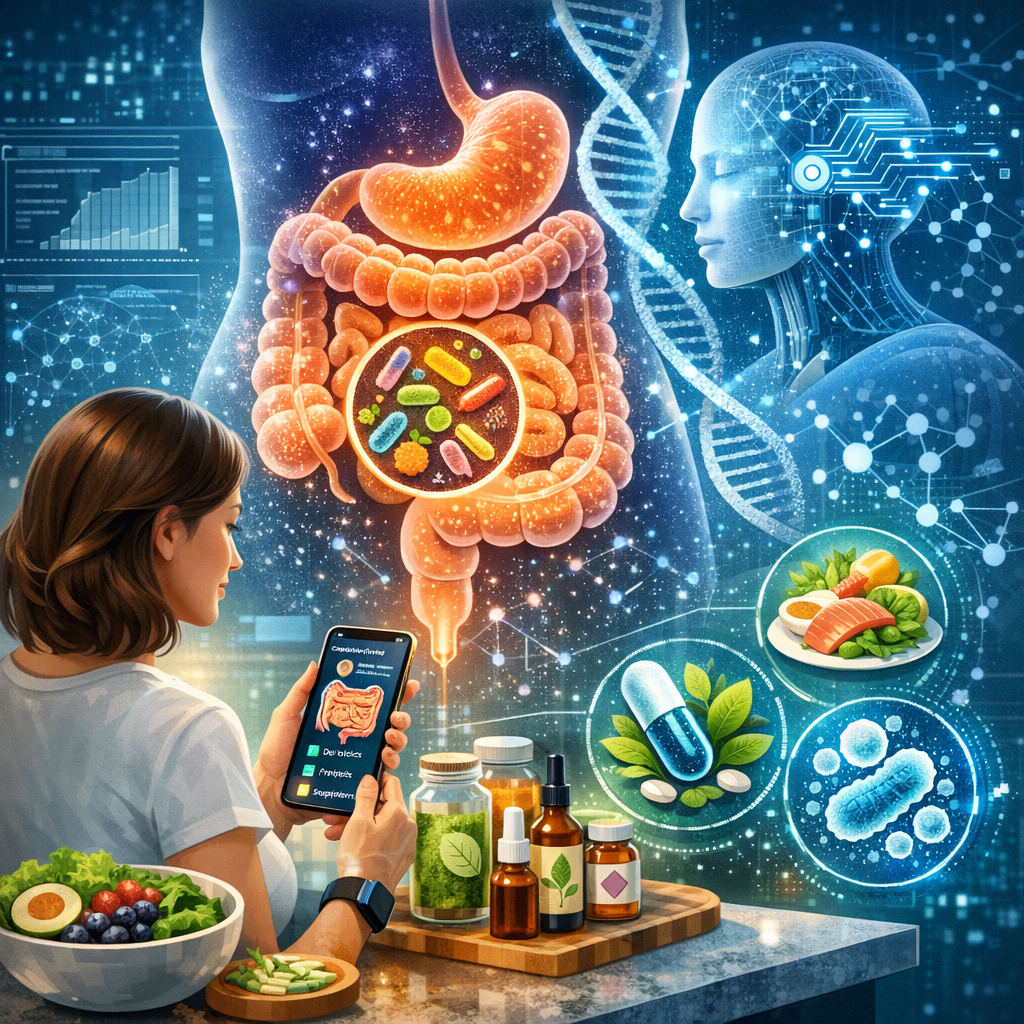
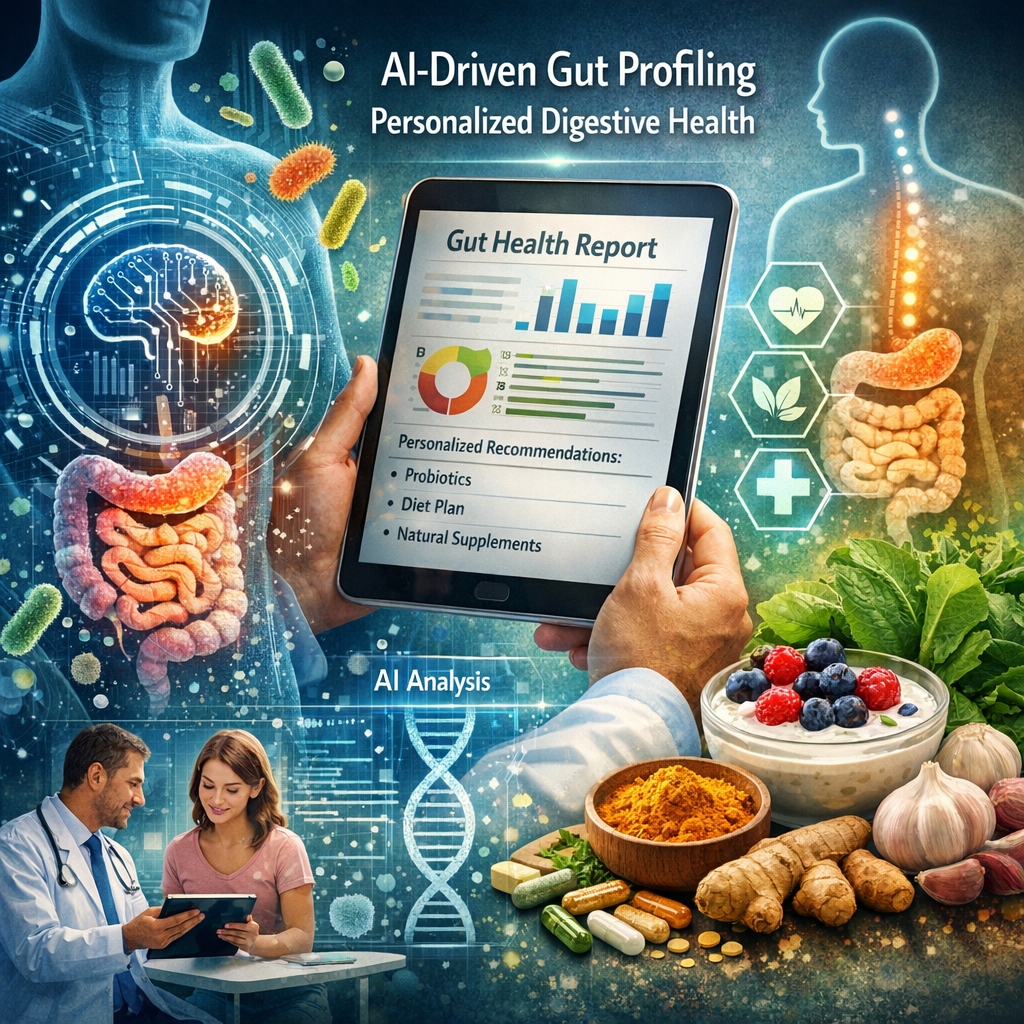
Artificial intelligence empowers us to decode the myriad interactions within the gut microbiome. By leveraging machine learning algorithms and big data, AI can analyze an individual’s gut microbial composition and provide tailored recommendations for diet, lifestyle, and even natural or herbal treatments. This personalized approach stands in stark contrast to traditional one-size-fits-all treatments, which often overlook individual variability.
AI-driven gut profiling involves sequencing the DNA of microbes found in the gut. This vast amount of data is then processed by AI to identify patterns and correlations with health outcomes, which are nearly impossible to discern without computational assistance. As our understanding of the human microbiome expands, so does our ability to pinpoint specific bacterial strains that may contribute to or detract from optimal health.
At the forefront of this technological revolution are startups and research labs dedicated to integrating AI with microbiome research. Companies like Viome and uBiome have pioneered saliva and stool analysis services that provide users with detailed reports on their gut health, accompanied by actionable recommendations. These insights can guide individuals toward specific dietary changes or the use of probiotics and herbal supplements designed to nurture beneficial microbial populations.
The implications of AI-driven gut profiling extend beyond individual health. With broader adoption, healthcare providers can begin to predict and prevent diseases associated with gut health, such as irritable bowel syndrome (IBS), obesity, and depression. Personalized gut health management could become a cornerstone of preventive medicine, underscoring the importance of individual microbiomes in maintaining overall health.
Features: Medical and Professional Studies
Scientific research underscores the transformative potential of AI-driven gut profiling. Studies focusing on the human microbiome have established connections between gut health and a myriad of diseases, including diabetes, cardiovascular disease, and mental health disorders, such as anxiety and depression. A paper published in the [*Journal of Gastroenterology*](https://www.springer.com/journal/5368) reveals compelling evidence that specific gut bacteria are directly linked to the efficacy of certain medications and the body’s response to inflammation and infection.
One pivotal study highlighted in [*Nature Medicine*](https://www.nature.com/) utilized machine learning to predict blood glucose responses based on microbiome composition and dietary habits. The study demonstrated that gut profiling could be leveraged to tailor personalized nutrition plans, which manage blood sugar levels more effectively than generalized dietary recommendations. Such findings indicate the importance of microbiome-specific guidance over generic health advice.
Another breakthrough involves using AI to identify microbial markers indicative of diseases like colorectal cancer. The [*Journal of the American Medical Association*](https://jamanetwork.com/) published research demonstrating that a specific microbial signature in the gut can predict cancerous lesions with remarkable accuracy. This development positions AI gut profiling as a potential non-invasive screening tool for early detection.
Moreover, clinical trials are exploring the use of AI to enhance the effectiveness of natural treatments for gut-related issues. Herbal remedies such as ginger, peppermint, and turmeric have long been regarded for their gut-soothing properties. By applying AI analytics to examine the microbial shifts these herbs induce, researchers hope to optimize their therapeutic use alongside conventional treatments.
These findings, supported by ongoing research, suggest that the information gleaned from AI-driven gut profiling not only personalizes patient care but also paves the way for innovative treatment strategies that integrate conventional medicine with herbal therapies.
Conclusion
AI-driven gut profiling is revolutionizing the way we approach digestive health by offering personalized insights into an individual’s microbiome. This cutting-edge technology bridges the gap between artificial intelligence and natural health solutions, enabling tailored interventions that enhance gut function and overall wellbeing. As research continues to evolve, the potential for AI in driving not only preventive care but also the integration of natural and traditional therapies becomes increasingly apparent. Embracing these innovations could lead to a future where personalized digestive health is an accessible and integral component of general healthcare.
References
1. [*Nature Medicine*: Gut Microbiome and Blood Sugar Prediction](https://www.nature.com/)
2. [*Journal of Gastroenterology*: Microbiome and Health Outcomes](https://www.springer.com/journal/5368)
3. [*Journal of the American Medical Association*: Microbial Markers in Colorectal Cancer](https://jamanetwork.com/)
By linking cutting-edge AI with traditional practices, we foster a holistic approach to healthcare, where technology empowers individuals to take control of their unique digestive health journeys.
Concise Summary
AI-driven gut profiling is transforming digestive health by offering personalized insights into an individual’s microbiome. Leveraging machine learning and big data, AI analyzes gut microbial compositions to tailor diet, lifestyle, and treatment recommendations. This approach contrasts traditional methods that overlook individual variability. Companies like Viome provide detailed gut health reports, guiding users toward probiotics and herbal supplements. Broader adoption could predict and prevent diseases like IBS and obesity. Ongoing research links gut health with diabetes, cardiovascular disease, and mental disorders, showcasing AI’s role in optimizing treatment strategies and preventive care.