The Future of Gut Health: How AI and Machine Learning Are Revolutionizing Personalized Gastroenterology Protocols
Introduction:
The world of medicine is in a constant state of evolution, and gastroenterology is no exception. As our understanding of the gut microbiome—a complex ecosystem of trillions of microorganisms residing in the digestive tract—expands, so too does our grasp of its impact on overall health. At the forefront of this evolution is the integration of artificial intelligence (AI) and machine learning into healthcare protocols, promising groundbreaking advancements in personalized medicine.
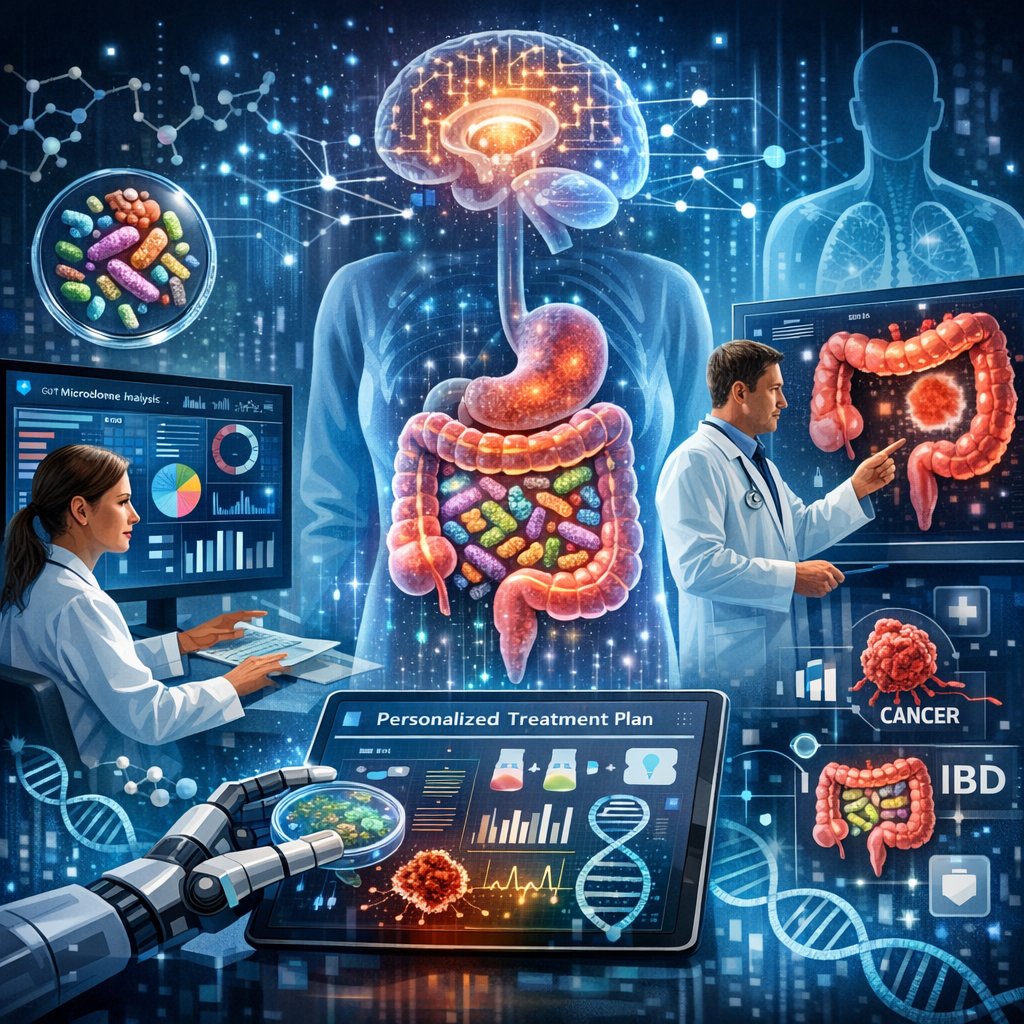
AI and machine learning are changing the landscape of gastroenterology by enabling the development of highly tailored treatment plans, improving diagnostic accuracy, and fostering preventative healthcare strategies. The field of gastroenterology, dealing with disorders of the stomach and intestines, stands to benefit tremendously from these technologies. They offer the potential to analyze vast datasets, recognize patterns, and craft personalized treatment approaches that were previously unimaginable.
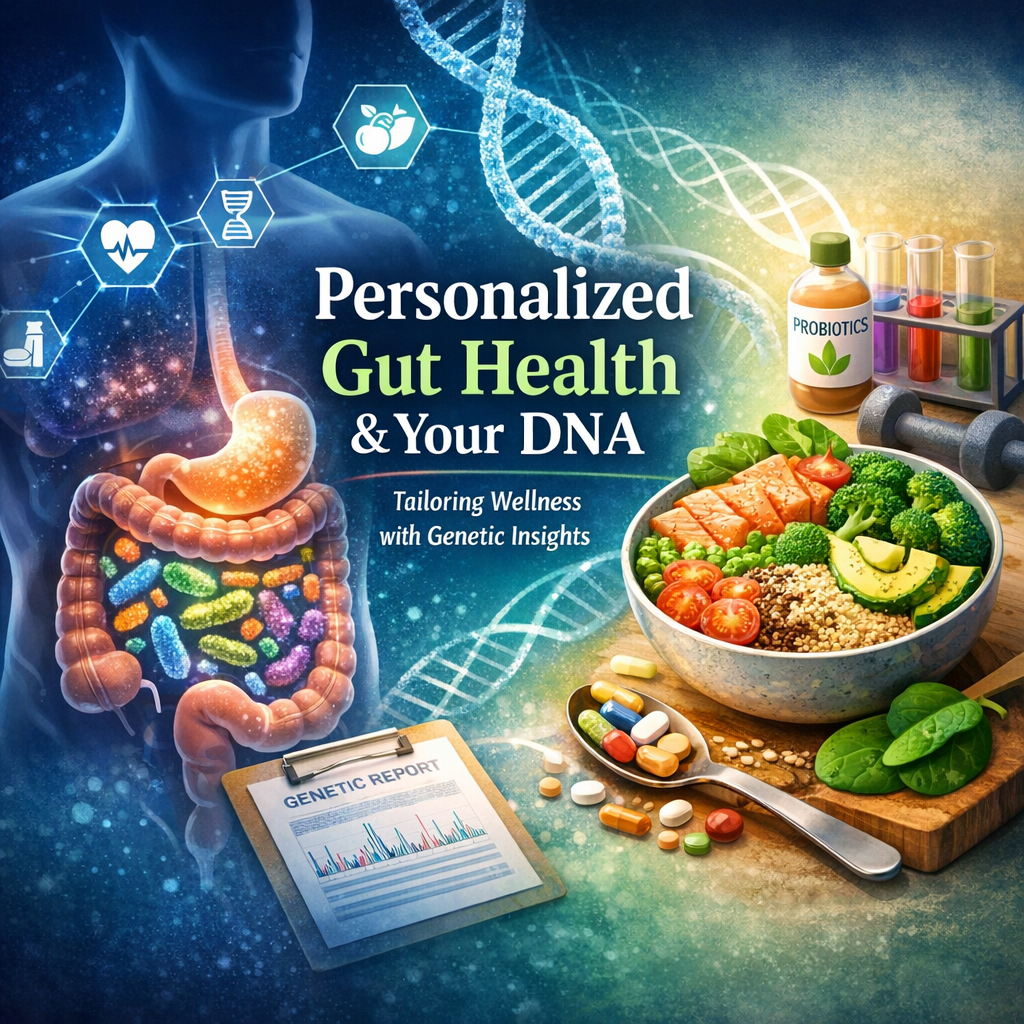
One of the most innovative applications is in analyzing the unique composition of an individual’s gut microbiota. Each person’s microbiome is as unique as their fingerprint, influenced by various factors such as diet, lifestyle, and genetics. AI can sift through massive amounts of data to identify specific bacterial strains that may be beneficial or harmful to a person’s health, proposing dietary changes or probiotic supplements tailored to nurture gut health effectively.
Furthermore, machine learning algorithms can enhance the predictive capabilities of healthcare providers by assessing risk factors for various gastrointestinal diseases, including inflammatory bowel disease (IBD), irritable bowel syndrome (IBS), and even colorectal cancer. By integrating patient history with large datasets, these technologies can offer insights into disease progression, potential triggers, and effective therapies, allowing for more informed decision-making and better outcomes.
As we stand on the cusp of this digital health revolution, the promise of AI and machine learning in gut health shines brightly. These technologies are set to marshal a new era of precision medicine, transforming how we diagnose, treat, and ultimately, prevent gastrointestinal disorders.
Features:
Numerous professional and medical studies underscore the transformative potential of AI and machine learning in gastroenterology. A significant study published in the journal [Nature](https://www.nature.com/articles/s41591-020-0944-3) highlighted the ability of machine learning to predict the onset of gastrointestinal diseases with surpassing accuracy. By analyzing data from thousands of patients over time, researchers were able to pinpoint early warning signs of diseases like IBD and IBS, significantly improving early intervention strategies.
Another study conducted by researchers at [Stanford University](https://med.stanford.edu/news/all-news/2020/05/ai-can-identify-colorectal-cancer-in-early-stages.html) demonstrated that AI could outperform traditional diagnostic approaches in identifying colorectal cancer in its nascent stages from endoscopic images. The AI was fed thousands of images, allowing it to discern subtle vascular patterns and tissue changes indicative of early cancer, thus proving a vital tool for improving survival rates through early detection.
In terms of treatment personalization, a collaborative study between [MIT and the Mayo Clinic](https://news.mit.edu/2019/machine-learning-personalize-probiotic-treatments-0815) utilized machine learning to analyze how different patients responded to various probiotic treatments. By considering factors such as genetic data, current gut microbiome composition, and lifestyle, researchers developed algorithms capable of formulating highly individualized probiotic regimens that optimized each patient’s gut health.
Moreover, a pilot program at the [University of California, San Francisco](https://gastroenterology.ucsf.edu/news/ibsdietaryprotocol) employed AI to curate personalized dietary plans for individuals suffering from IBS, based on their unique microbiome signatures and symptom tracking data. The result was a significant reduction in symptom severity and frequency for participants, illustrating AI’s potential for crafting bespoke nutritional treatments.
These studies represent just a fraction of the ongoing research exploring how AI and machine learning can be harnessed to revolutionize personalized protocols in gastroenterology. They collectively highlight the shift towards a more individualized approach to treatment, marking a departure from the one-size-fits-all model traditionally associated with medical care.
Conclusion:
The future of gut health lies in harnessing the unprecedented capabilities of AI and machine learning. These technologies hold the promise of not only enhancing our understanding of the complex gut microbiome but also paving the way for highly personalized treatment protocols. As ongoing research continues to uncover the potential of AI in gastroenterology, patients can look forward to more precise diagnostics, tailored therapeutic interventions, and ultimately, better health outcomes. By embracing this technological evolution, the field of gastroenterology is poised to offer innovative solutions to the challenges of digestive health, leading us into a future where personalized medicine becomes the norm rather than the exception.
Concise Summary:
In gastroenterology, AI and machine learning are transforming personalized healthcare. They enhance diagnostic accuracy, craft tailored treatment plans, and improve disease prediction. AI analyzes unique gut microbiota, enabling dietary and probiotic personalization. Machine learning predicts gastrointestinal diseases, such as IBD, IBS, and colorectal cancer. Studies show AI’s potential in early disease detection and individualized treatment, marking a shift from conventional approaches. As AI-driven research advances, personalized medicine in gastroenterology is set to improve diagnostics, treatment, and prevention, ushering in a new era of precision healthcare.