The Gut-Hormone Code: How Dysregulated Microbiomes Influence Hormonal Imbalance and Chronic Disease
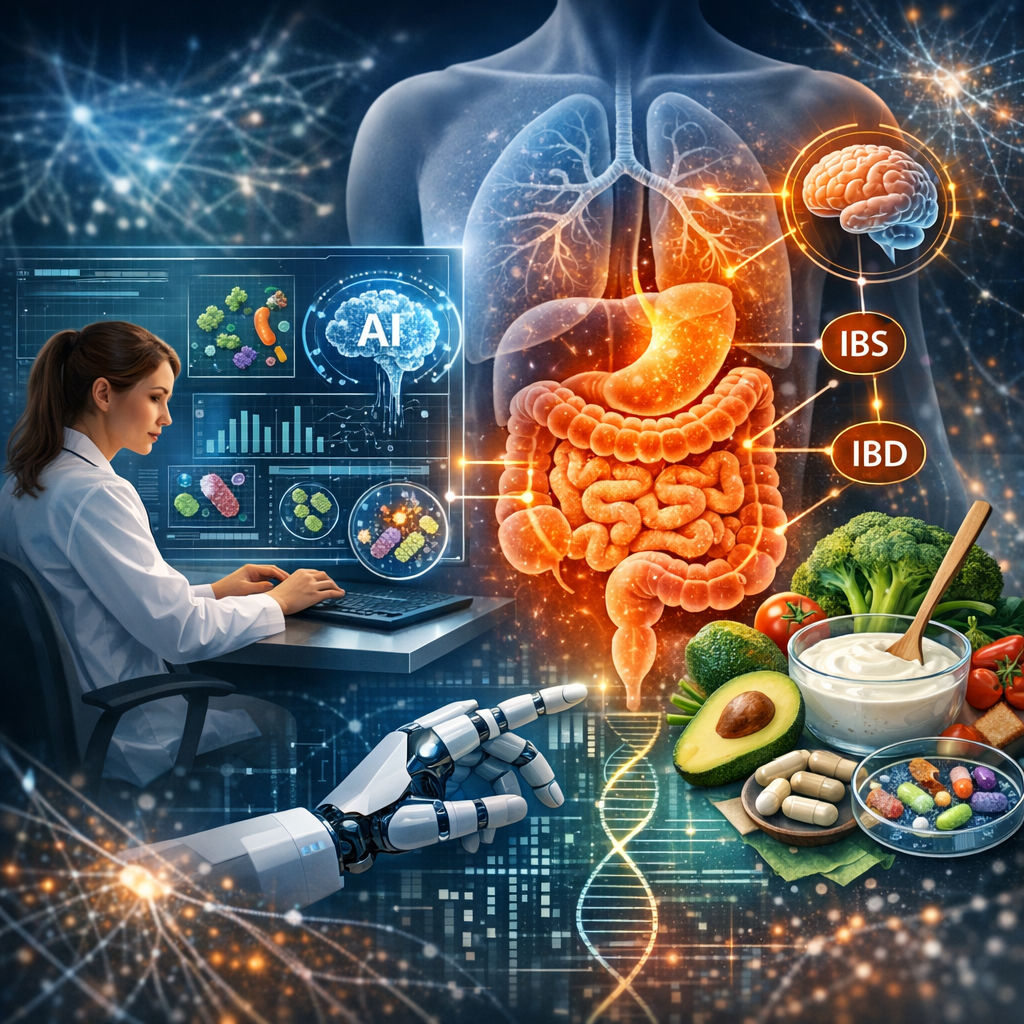
In recent years, the connection between gut health and overall wellness has become increasingly apparent, captivating the interest of both medical researchers and health enthusiasts. Our digestive system, once grossly undervalued, is now recognized as a central player in maintaining physiological harmony. At the heart of this evolution in understanding is the gut microbiome—a bustling community of trillions of bacteria and microorganisms residing in our intestines. These microscopic residents are more than just passive occupants; they actively influence a plethora of bodily functions, from digestion and immunity to even mental health. In particular, one of the most profound—yet often overlooked—influences of the gut microbiome is its impact on our hormonal balance.
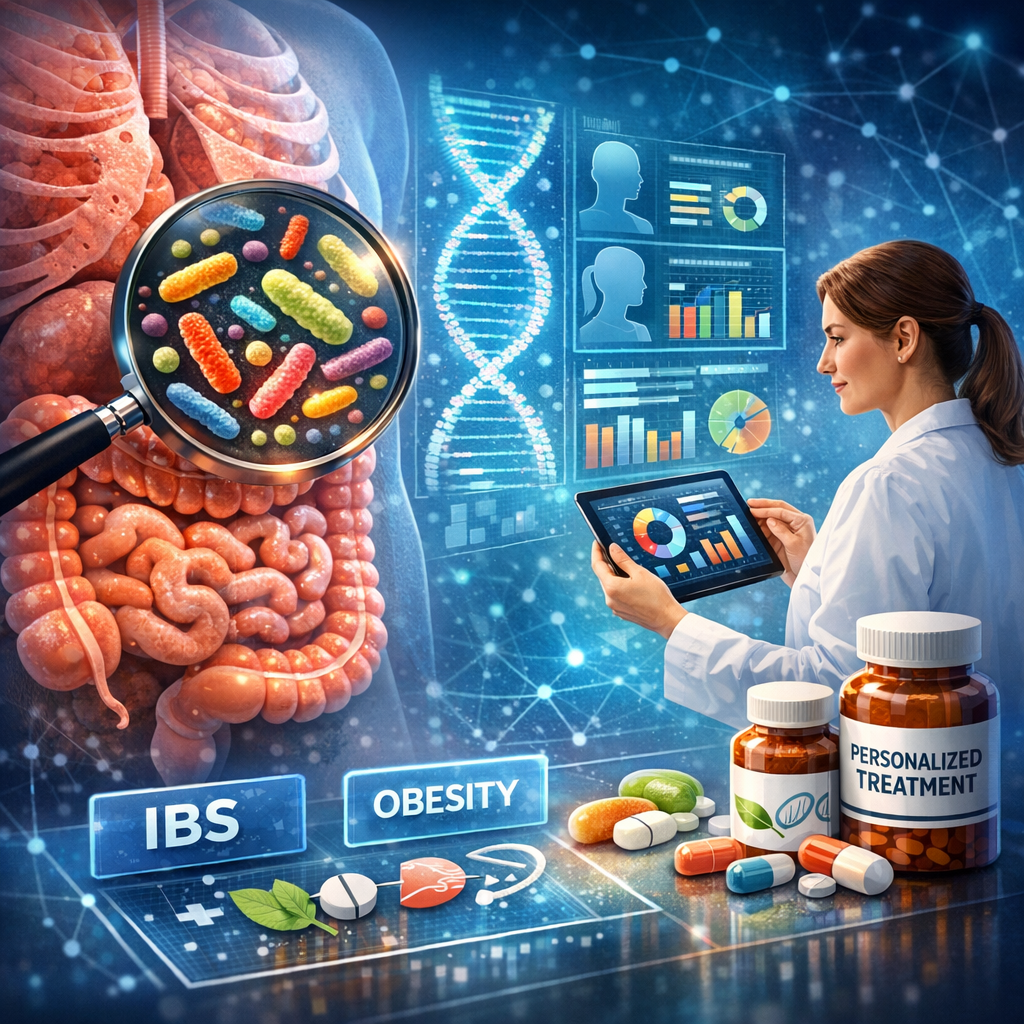
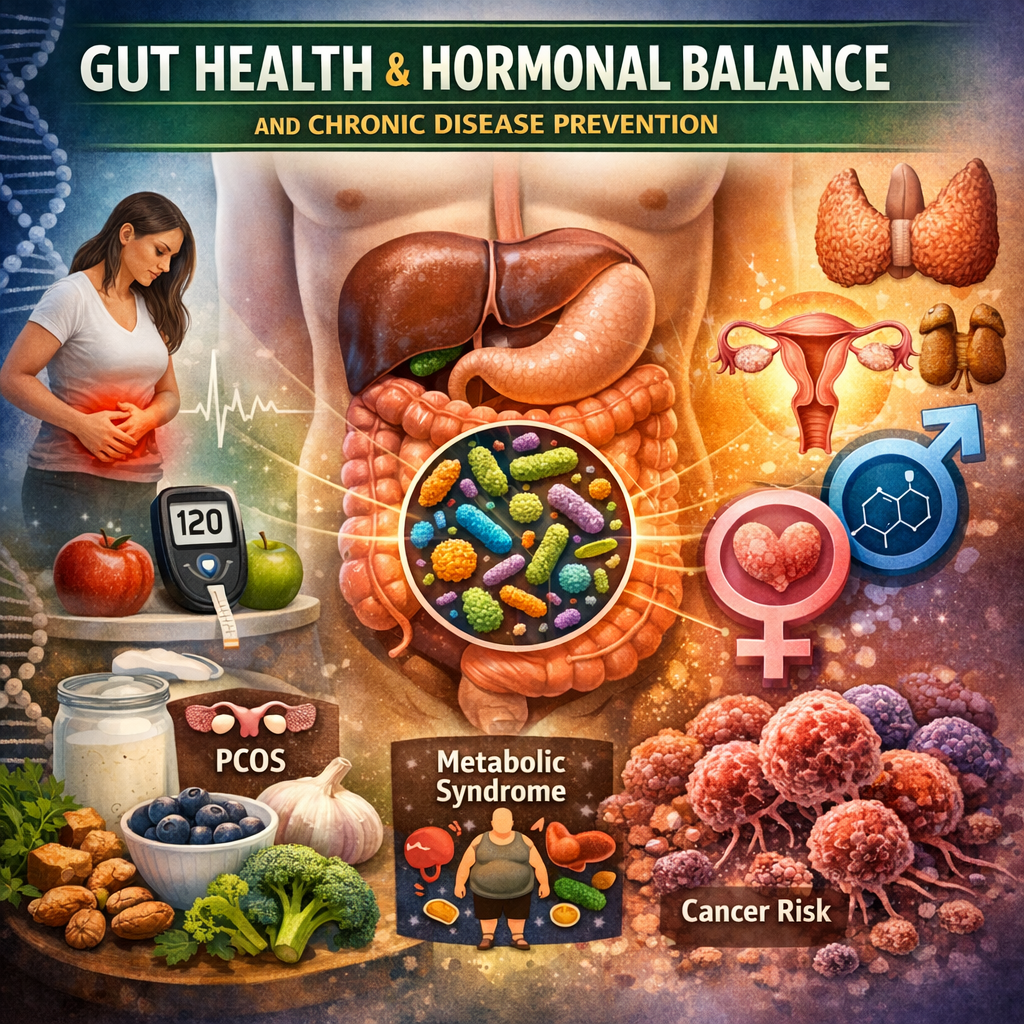
Hormones are the body’s chemical messengers, involved in everything from growth and metabolism to mood regulation and reproduction. An increasing body of evidence demonstrates that an imbalanced gut microbiota can disrupt hormonal equilibrium, potentially leading to a cascade of chronic diseases. For instance, imbalances in gut bacteria have been linked to conditions such as polycystic ovary syndrome (PCOS), thyroid disorders, and even metabolic syndrome, highlighting the systemic reach of gut health.
The gut-hormone interaction begins with the microbiota’s role in processing and metabolizing various hormones. Some gut bacteria can produce hormones such as serotonin and dopamine, which influence mood and cognitive function. Others assist in the conversion and synthesis of hormones like estrogen. However, when the microbiome is disrupted—whether due to poor diet, stress, antibiotic use, or other factors—this hormone processing can become erratic. Dysbiosis, or an imbalance in gut bacteria, can lead to excess or deficiencies in these crucial hormones, thereby disrupting the body’s delicate hormonal balance.
The ramifications of this disruption are vast. Hormonal imbalances can contribute to a variety of chronic diseases, emphasizing the importance of a healthy gut microbiota. For instance, excessive estrogen reabsorption due to dysbiosis can increase the risk of hormone-related cancers, such as breast and ovarian cancer. Additionally, research indicates that a dysregulated microbiome may exacerbate insulin resistance, a precursor to type 2 diabetes.
Features
A growing body of scientific research supports the link between gut health and hormonal balance. A landmark study published in the journal *Nature* illustrated the connection between gut microbiota diversity and the regulation of sex hormones. The study found that individuals with a more diverse gut microbiome had lower estrogen levels, suggesting a protective factor against estrogen dominance—a condition associated with weight gain, mood swings, and an increased risk of breast cancer [source](https://www.nature.com).
Another pivotal study explored the gut-thyroid axis, emphasizing how gut dysbiosis can affect thyroid function. Published in the *Journal of Clinical Endocrinology & Metabolism*, this research demonstrated that gut bacteria can influence the metabolism of thyroid hormones, particularly triiodothyronine (T3) and thyroxine (T4), which are critical for regulating energy levels and metabolism [source](https://academic.oup.com/jcem).
Moreover, research in the *American Journal of Clinical Nutrition* focused on the influence of gut microbiota on insulin sensitivity, highlighting how certain microbial compositions can either promote or hinder insulin action. This study underscored the microbiome’s role in metabolic health and its potential as a therapeutic target for managing type 2 diabetes [source](https://academic.oup.com/ajcn).
These studies underscore the critical role of the gut microbiome in hormonal regulation and its potential impact on chronic disease. They also suggest that interventions aimed at restoring microbiome balance could be effective in managing or preventing hormonal imbalances and their associated conditions.
Conclusion
The intricate relationship between gut health and hormonal balance offers a promising frontier in the pursuit of holistic health and disease prevention. By understanding and harnessing the gut-hormone code, we can develop natural and effective strategies to restore equilibrium, emphasizing dietary adjustments and the incorporation of prebiotics, probiotics, and other herbal treatments. As research continues to unravel the complexities of the gut microbiome, it becomes increasingly clear that maintaining its balance is not only essential for digestive health but is paramount in preventing and managing a wide spectrum of chronic diseases. For individuals seeking to optimize their health naturally, respecting and nurturing the gut microbiome presents a viable path towards enduring vitality and well-being.
Concise Summary:
The complex interplay between gut microbiota and hormonal balance is crucial for overall wellness. Imbalances in gut health can disrupt hormone levels, leading to chronic diseases like PCOS, thyroid disorders, and type 2 diabetes. Several studies highlight the influence of a diverse gut microbiome on estrogen regulation, thyroid function, and insulin sensitivity. Maintaining gut health through diet, prebiotics, probiotics, and lifestyle changes can help prevent hormone imbalances and associated diseases, underscoring the significance of the gut in holistic health management.