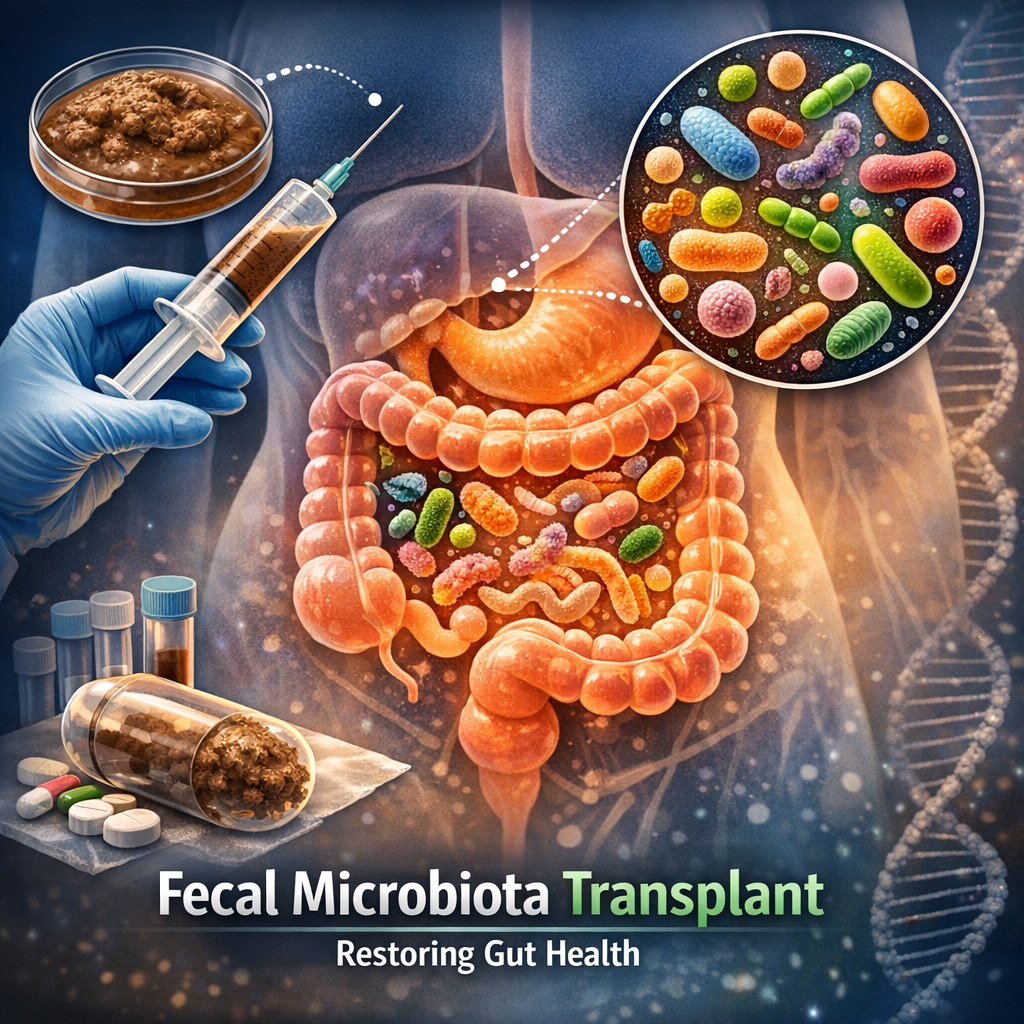
Unraveling the Gut Ecosystem: Why Fecal Matter Transplants Could Revolutionize Chronic Gut Disease Treatment
Introduction
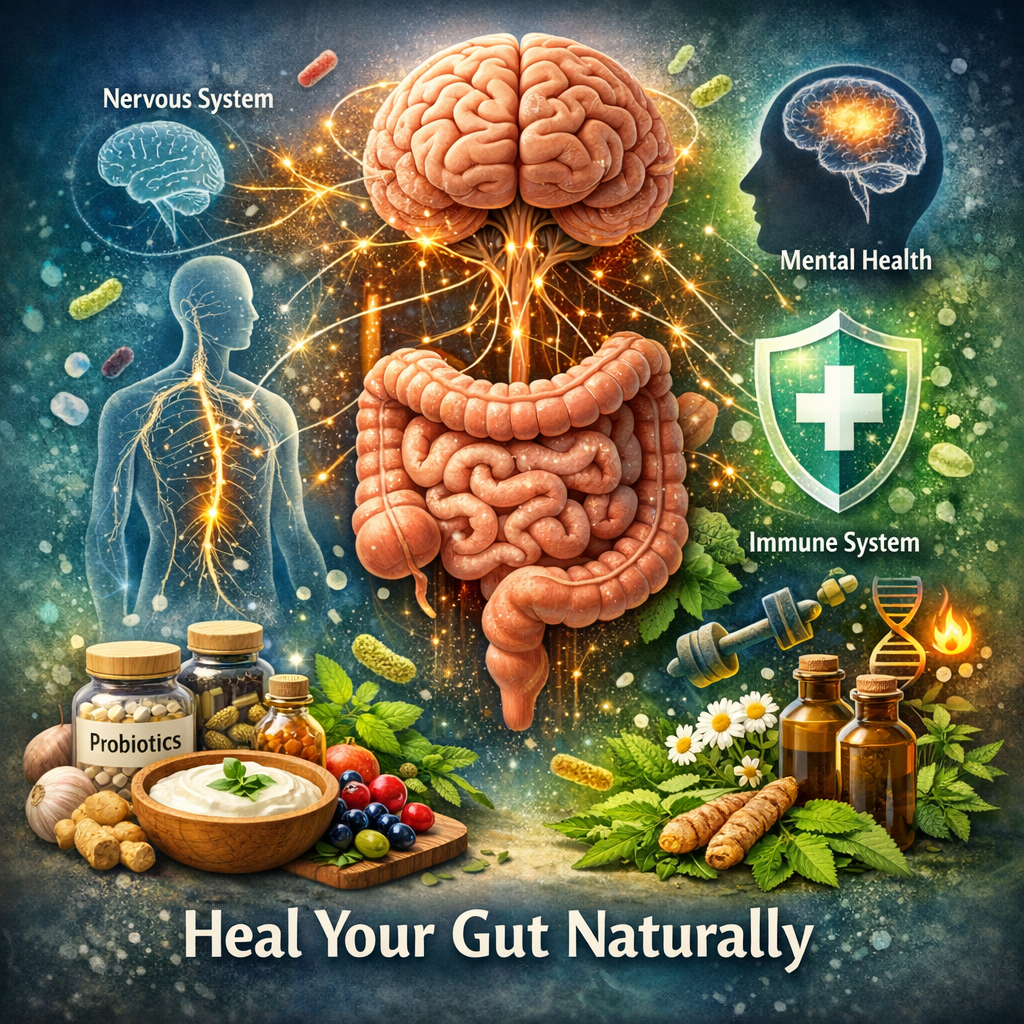
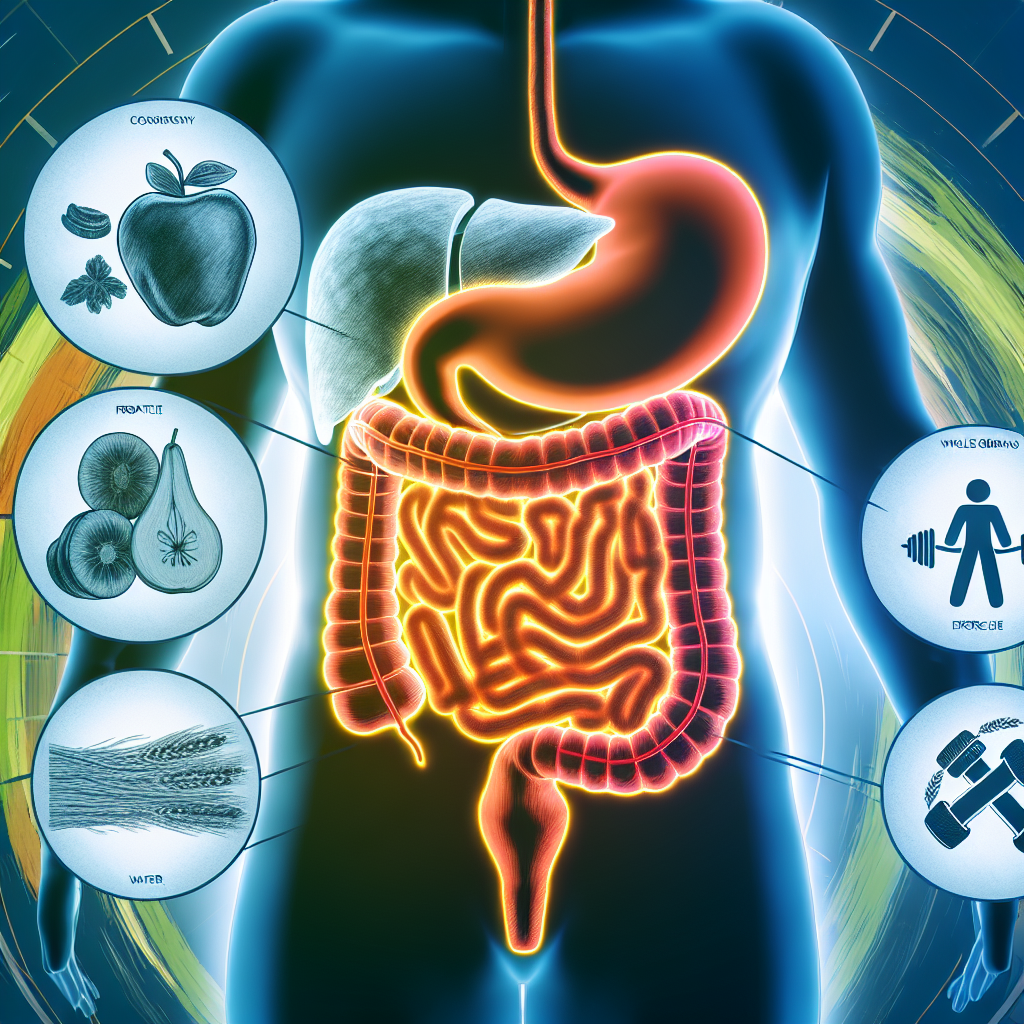
The complexity of the human gut is a topic of intense study and discussion in modern medicine. Housing an estimated 100 trillion microorganisms, the gut microbiome plays a critical role in not only digestion but also in regulating the immune system, synthesizing essential nutrients, and maintaining mental health. This intricate system, often referred to as the “second brain,” can significantly impact overall well-being. Disruptions in this delicate ecosystem are linked to a variety of chronic disorders, including inflammatory bowel disease (IBD), irritable bowel syndrome (IBS), and even metabolic syndrome.
The quest for natural and less invasive treatments for gut-related ailments has led to intriguing developments, one of which is the fecal matter transplant (FMT). This cutting-edge procedure involves the transfer of stool from a healthy donor to the gastrointestinal tract of a patient suffering from microbiome imbalances. The idea sounds unconventional, yet its potential to reshape treatment paradigms for chronic gut diseases is gaining momentum in the scientific community.
FMT offers a promising alternative to conventional medications, some of which may come with adverse side effects or fail to address the root cause of the disorder. By directly introducing a balanced microbial community, FMT aims to restore the gut to its natural state. This not only alleviates symptoms but can also address the underlying causes of gut diseases, leading to lasting health benefits. Although still under research, FMT has already demonstrated significant success in treating Clostridioides difficile infections, with studies showing cure rates up to 90 percent when antibiotics failed. The procedure’s success in these cases has prompted researchers to explore its potential applications for other chronic gastrointestinal disorders.
As society becomes increasingly aware of the importance of gut health, interest in natural and holistic remedies continues to rise. The potential of FMT to revolutionize chronic gut disease treatment is a testament to the power of natural treatments, the intricate connections within our bodies, and the promise of innovative medical solutions. Understanding this evolving landscape allows individuals to make informed decisions about their health and explore new avenues for treatment.
Features
Research on fecal matter transplants is still unfolding, yet there is a significant body of evidence supporting its effectiveness. A key study published in the *New England Journal of Medicine* detailed a randomized controlled trial that compared FMT to traditional antibiotic treatments for recurrent Clostridioides difficile infections. Results demonstrated a staggering success rate, with over 81% of FMT recipients exhibiting no recurrence of infection compared to just 31% in the antibiotic group.
Further evidence suggests that FMT may aid in treating other chronic gastrointestinal disorders. For instance, a study from *Gastroenterology* explored the efficacy of FMT in patients with ulcerative colitis, showing that 27% of patients who received FMT achieved clinical remission compared to only 8% in the placebo group.
The role of FMT in treating metabolic disorders is another promising area. Research published in *Cell Metabolism* suggested that FMT could improve insulin sensitivity in individuals with metabolic syndrome. The authors theorized that introducing a diverse and balanced microbiome could regulate pathways involved in glucose metabolism and inflammation, thus demonstrating systemic benefits beyond the gut.
While observational studies and early clinical trials are promising, FMT is still an area of active research. The diversity of the human microbiome means that responses to FMT can vary greatly between individuals. Therefore, further exploration and long-term studies are needed to determine optimal donor selection processes, understand the mechanisms by which FMT exerts its effects, and identify specific conditions where FMT may be most beneficial.
Conclusion
Fecal matter transplantation represents a promising frontier in the treatment of chronic gut diseases. Offering potentially transformative benefits through the natural restoration of gut microbiota, FMT emphasizes the importance of a balanced ecosystem within our bodies. While ongoing research is imperative to fully understand and optimize this treatment, its current successes in managing conditions like Clostridioides difficile infections lay a strong foundation for broader applications. As we continue to uncover the mysteries of the gut ecosystem, FMT could become a cornerstone in the landscape of holistic and preventive medicine. Embracing such innovative approaches could lead to more sustainable health solutions, reducing the dependency on pharmaceuticals and fostering a deeper connection with natural healing processes.
Concise Summary
Fecal matter transplants (FMT) offer a groundbreaking treatment for chronic gut diseases by restoring the natural balance of the gut microbiota. This procedure has shown high success rates in treating Clostridioides difficile infections where antibiotics fail and holds potential for other conditions like ulcerative colitis and metabolic disorders. Emerging as a natural alternative to medication, FMT underscores the critical connection between gut health and overall well-being, promising to transform the landscape of holistic medicine through ongoing research and innovation.