Decoding the Neurological Impact of Microbiome Diversity: Why Your Gut May Be the Key to Unlocking Mental Resilience
Introduction
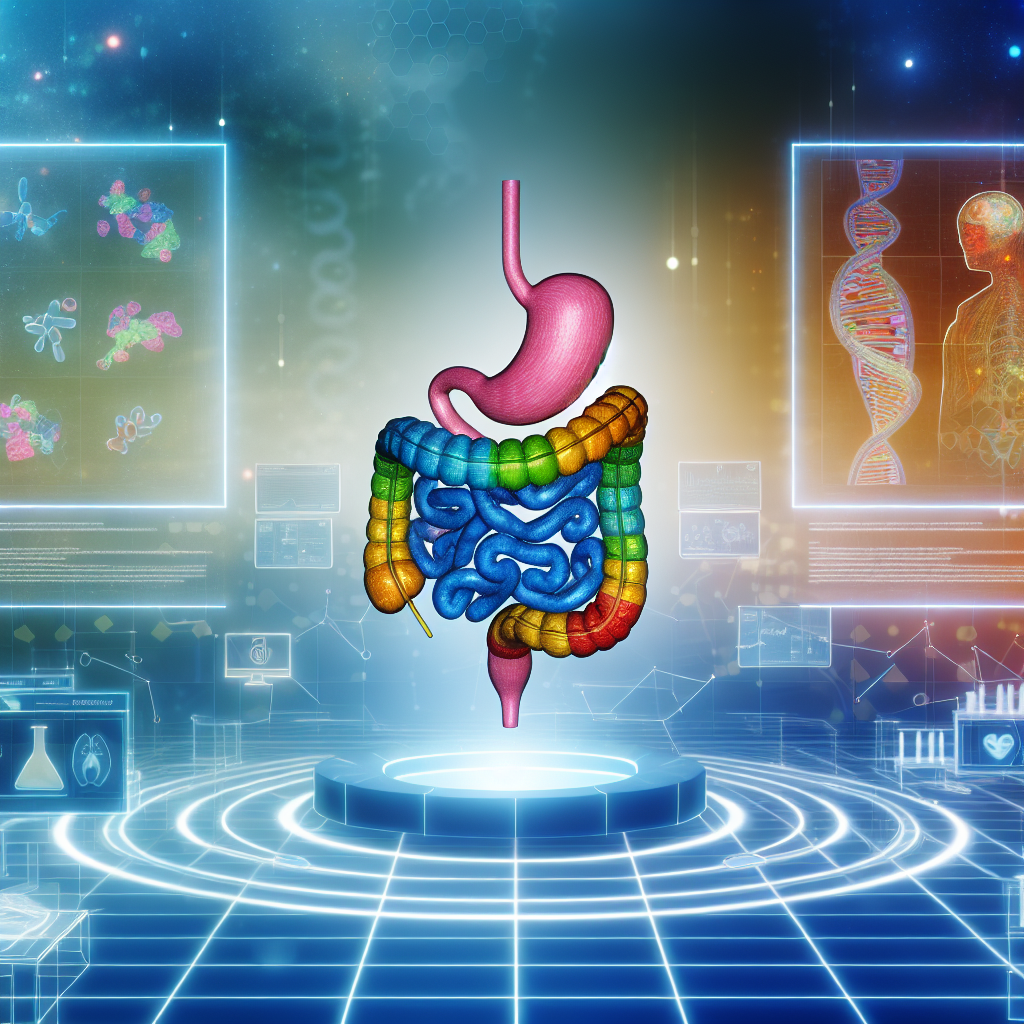
In recent years, the intricate relationship between gut health and overall well-being has become a central focus of scientific investigation and public interest. From ancient herbal treatments to modern dietary interventions, a healthy gut is increasingly recognized as a cornerstone of optimal health. But what if the key to mental resilience and neurological health lies in your gut? The burgeoning field of study known as the gut-brain axis highlights how the vast microbial population residing within our digestive system can impact brain function and mental health.
The human microbiome, primarily residing in the gut, is a bustling ecosystem of trillions of microorganisms, including bacteria, viruses, and fungi. This microbial community plays a vital role in various bodily functions, such as digestion, immune modulation, and even the production of neurotransmitters. Emerging research suggests that microbiome diversity — the range of different microorganisms in the gut — may influence mental health outcomes, including anxiety, depression, and stress resilience.
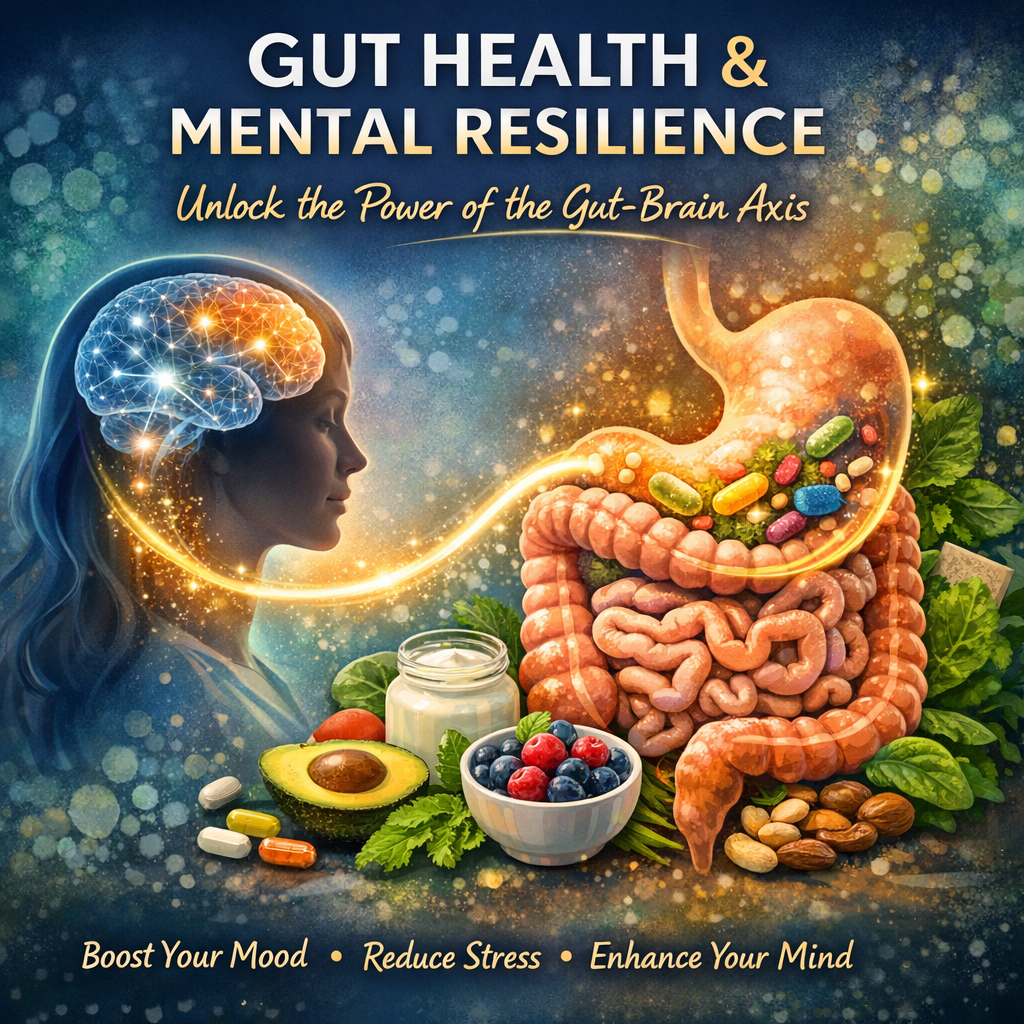
The concept of the gut impacting brain health is not entirely new. Traditional medicine systems, such as Ayurveda and Traditional Chinese Medicine, have long acknowledged the connection between the digestive system and mental well-being. However, recent scientific advancements are shedding light on the specific mechanisms that link the two. The gut-brain axis, a complex communication network linking the central nervous system with the gut, is thought to mediate this interaction. This bidirectional communication can affect a person’s mood, cognitive function, and overall mental health.
At the heart of this connection lies the role of the gut microbiome in producing and regulating neurotransmitters such as serotonin, dopamine, and gamma-aminobutyric acid (GABA), which are crucial for mood stability and stress management. As researchers continue to uncover how the diversity and composition of the gut microbiome influence these processes, it opens up intriguing possibilities for natural, gut-centered therapies aimed at enhancing mental resilience.
Additional Content: Scientific advancements have allowed for a deeper understanding of how these neurotransmitters, produced or regulated by gut microbiota, directly impact neural pathways and psychological states. The implications for therapeutic applications are vast, with the potential to improve treatments for conditions like depression and anxiety through gut microbiome manipulation.
Features
A growing body of medical studies underscores the profound influence of the gut microbiome on neurological health. In a 2019 landmark study published in the journal [“Nature Microbiology”](https://www.nature.com/articles/s41564-019-0448-0), researchers investigated the link between gut microbiome diversity and depression. They found that individuals with depression often had significantly less diverse microbiomes compared to healthy individuals. Certain bacterial genera, such as Coprococcus and Dialister, were notably less abundant in people with depression, suggesting these bacteria may play roles in producing or regulating mood-enhancing neurotransmitters.
Moreover, a 2020 study in [“Frontiers in Psychiatry”](https://www.frontiersin.org/articles/10.3389/fpsyt.2020.000014) explored the potential of probiotic interventions in modulating the gut microbiome to alleviate symptoms of depression and anxiety. Probiotics, live beneficial bacteria, were shown to positively alter microbiome composition and affect pathways associated with mood disorders. The study found that probiotics, particularly strains of Lactobacillus and Bifidobacterium, may have anxiolytic and antidepressant effects by enhancing neurotransmitter production and modulating the hypothalamic-pituitary-adrenal (HPA) axis, which regulates stress responses.
Additionally, diet plays a pivotal role in shaping the gut microbiome. A study in the journal [“Nutrients”](https://www.mdpi.com/2072-6643/13/5/1616) highlighted how a diet rich in fermented foods, fiber, and polyphenols can promote microbial diversity and, consequently, improve mental health outcomes. Foods such as yogurt, kefir, sauerkraut, and high-fiber fruits and vegetables can serve as prebiotics and probiotics, fostering a healthy gut environment that supports mental resilience.
The implications of these findings are transformative, suggesting that simple dietary modifications and targeted probiotic interventions may bolster the gut microbiome and, in turn, enhance mental health. As research progresses, the medical community continues to advocate for a more integrated approach to treating mental health disorders that considers the gut-brain axis as a significant component.
Conclusion
The exploration of microbiome diversity and its impact on mental resilience offers promising avenues for natural, gut-centered treatments. As we learn more about the gut-brain axis, it becomes evident that maintaining a diverse and balanced gut microbiome may be a key strategy in enhancing neurological health and building mental resilience. By integrating probiotics, prebiotics, and a balanced diet rich in natural, gut-friendly foods, individuals can take proactive steps towards improving both their gut health and overall mental well-being. Thus, the path to a sound mind may indeed start in the gut, reshaping our approach to mental health and resilience in a world where the mind-body connection is paramount.
Concise Summary:
The intricate relationship between gut health and mental resilience is increasingly recognized. The gut-brain axis, which links the digestive and central nervous systems, suggests that microbiome diversity influences mental health. Key bacteria, probiotics, and diet rich in fermented foods, fiber, and polyphenols enhance mood and stress resilience. By modulating the gut microbiome, we can potentially improve mental well-being, highlighting the importance of gut-centered treatments for neurological health. Such insights pave the way for integrated approaches to mental health, emphasizing the critical role of gut health in fostering mental resilience.