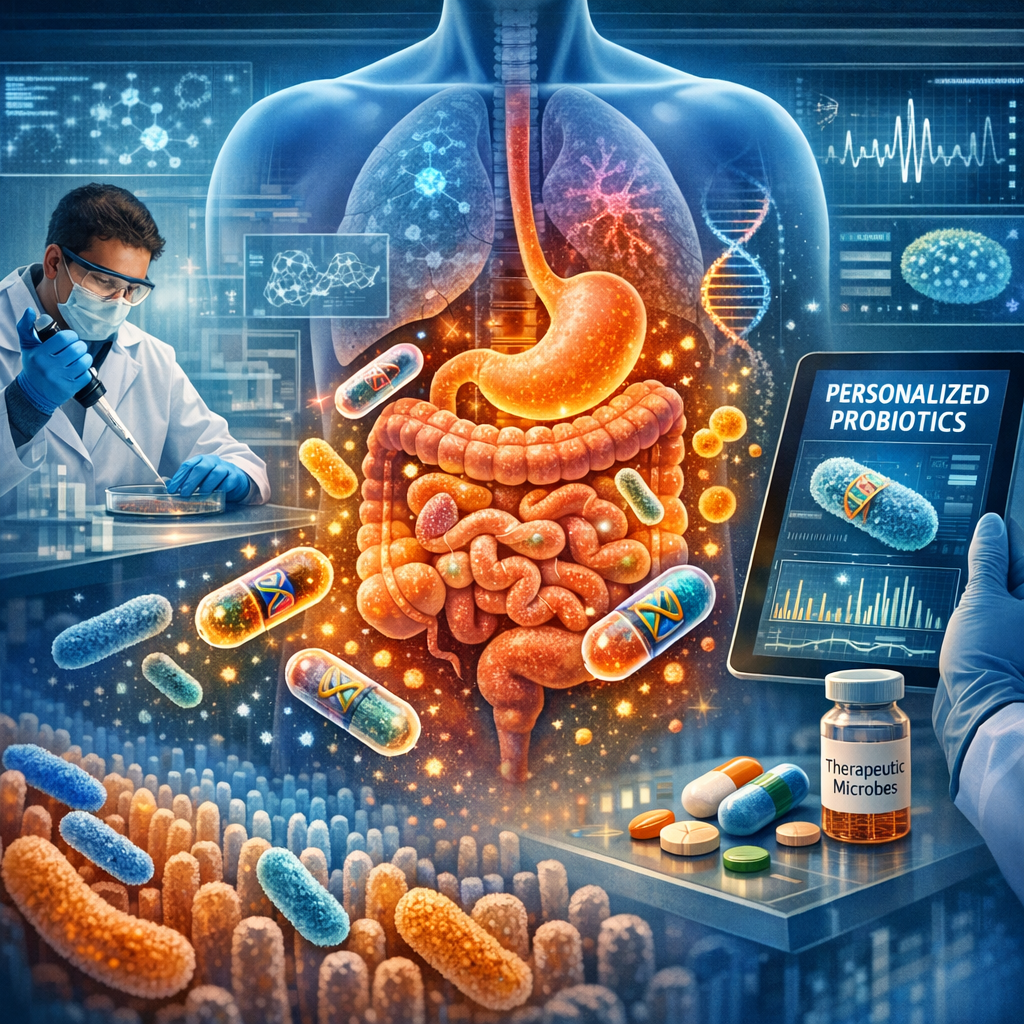
Breaking the Gut Formula: Leveraging Synthetic Biology to Engineer a Superior Microbiome Ecosystem
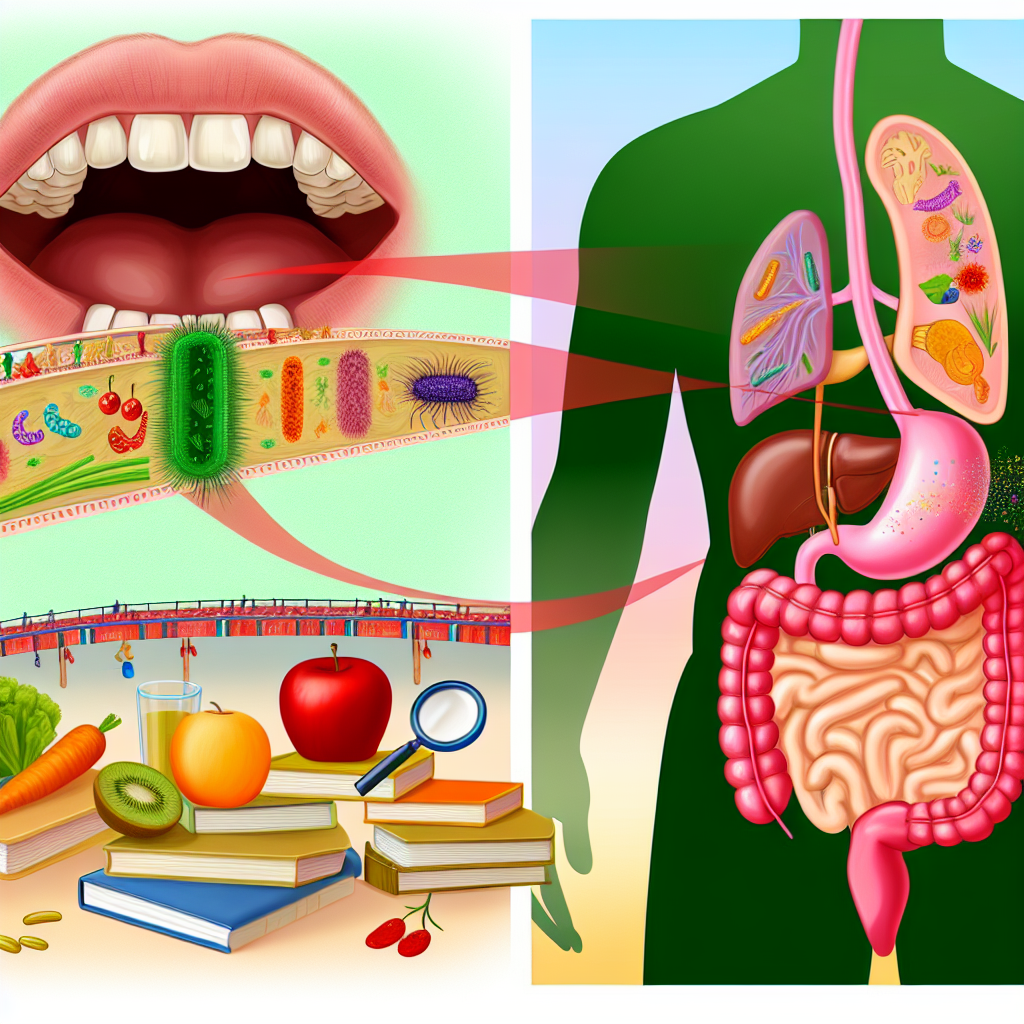
In the evolving landscape of healthcare, understanding the human microbiome—an intricate community of trillions of microorganisms in our bodies—has garnered significant attention. These microorganisms, particularly those in our gut, are crucial for health, affecting digestion, immunity, and mental well-being. As the role of these microscopic life forms gets clearer, synthetic biology emerges as a promising frontier, offering innovative solutions to enhance and personalize gut health.
Synthetic biology combines engineering principles with biological sciences, allowing for the precise design and fabrication of biological components that do not exist in nature or reengineering existing biological components for novel functionalities. In terms of the gut microbiome, this approach could revolutionize our understanding and treatment of various health issues. It aims to engineer a superior gut microbiome ecosystem enriched with tailor-made probiotics and therapeutic interventions to optimize digestive health and beyond. More content may discuss the groundbreaking potential for tailored probiotic strains designed to seamlessly integrate with individual microbiomes, enhancing their overall functionality.
Understanding the composition and functionality of the gut microbiome is akin to assembling a vast, complex puzzle. Each bacterial species provides a unique function that sustains the host’s health. Traditional probiotics introduced beneficial bacteria to improve gut health but were limited by the gut’s pre-established microbiome residents. Here’s the promise of synthetic biology: crafting microbes with specific genetic capabilities that integrate seamlessly into a person’s unique microbiome, thereby enhancing its functionality.
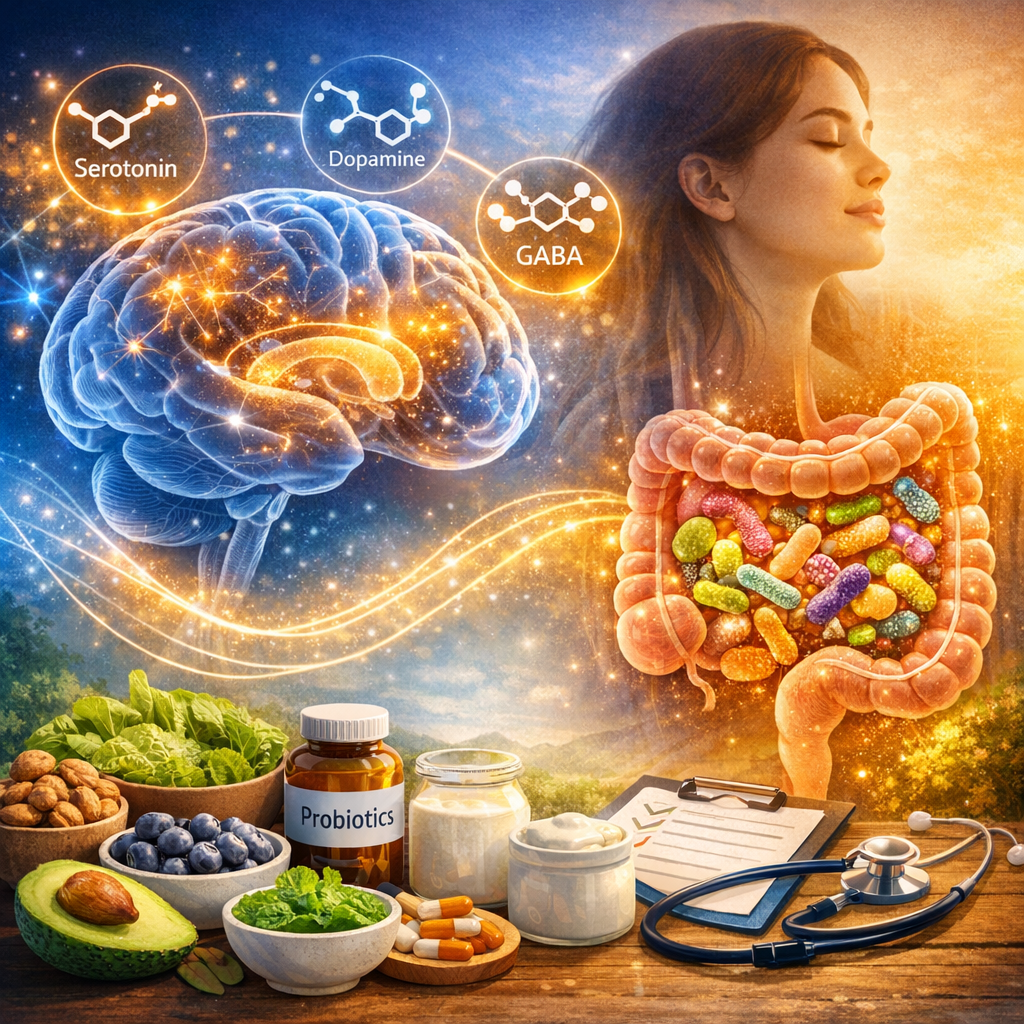
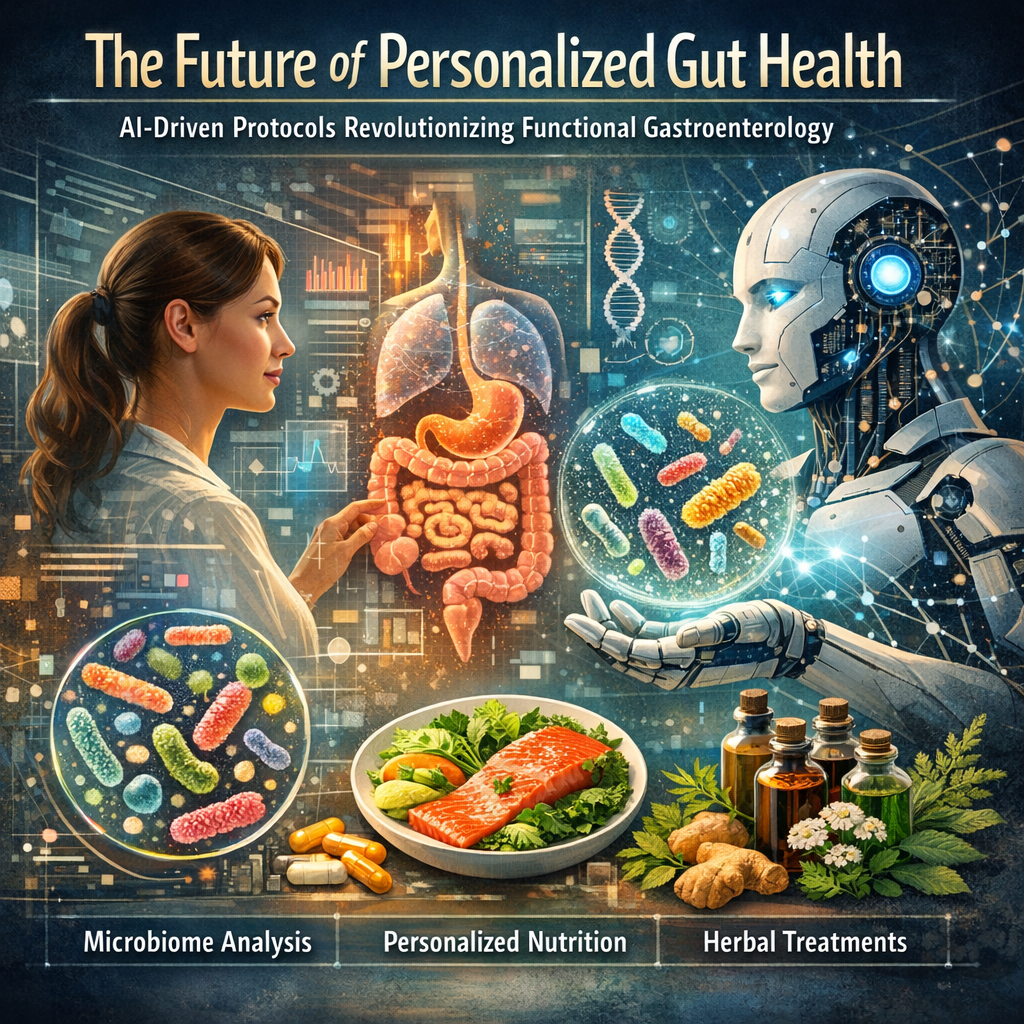
Healthcare professionals and researchers are increasingly intrigued by synthetic biology’s potential to create customized gut health solutions aligned with an individual’s genetic makeup. This personalization could signify a major shift in managing chronic illnesses such as inflammatory bowel disease, obesity, and even mental health disorders linked to the gut-brain axis. As synthetic biology tools grow more sophisticated, they could lead to the development of smart probiotics capable of sensing and adapting to gut environmental conditions, ensuring optimal performance.
Features: Professional and Medical Studies
Recent advancements in synthetic biology highlight its potential to transform our approach to gut health. A notable study published in [Nature](https://www.nature.com/articles/s41586-019-0959-2) demonstrated how synthetic “designer” bacteria could be engineered to detect and respond to intestinal inflammation, offering unprecedented real-time monitoring and therapeutic intervention capabilities (Nature, 2019). By inserting specific genetic circuits into probiotic strains, researchers created microbes that change colors when encountering inflammation markers, making them powerful diagnostic tools.
Another breakthrough involves the development of custom microbial cocktails tailored to treat specific gut-related ailments. For instance, a 2021 study in the [Journal of Gut Microbes](https://www.tandfonline.com/toc/kgmi20/current) explored creating microbial consortia designed to produce short-chain fatty acids (SCFAs), compounds associated with anti-inflammatory effects and enhanced gut barrier function. Such innovative treatments could lead to more effective interventions in conditions like irritable bowel syndrome and ulcerative colitis, where SCFA production is often impaired.
Moreover, synthetic biology is expanding into dietary modulation, where engineered microbes can influence dietary impacts on the gut. A cutting-edge study in [Cell](https://www.cell.com/journals) reported the synthesis of engineered bacteria that aid in metabolizing complex carbohydrates more efficiently, promoting a balanced metabolic reaction in the host. This could potentially reduce the incidence of metabolic syndrome and obesity by personalizing dietary responses.
Continuing research and collaboration in synthetic biology and microbiome science promise advancements in gut health interventions. While real-world applications are still developing, pioneering studies provide a solid foundation for future microbiome-enhancing therapies that are not only supportive but also dynamically interactive and personalized.
Conclusion
As synthetic biology carves a niche in healthcare, its potential to revolutionize gut health is both exciting and tangible. By engineering a superior microbiome ecosystem tailored to individual needs, we stand on the brink of changing our understanding and management of gut-related diseases and overall health. While these solutions require rigorous examination and validation, the foundations laid by ongoing research are optimistic for future advancements. The fusion of biology and engineering in creating next-generation probiotics promises to redefine our interaction with the microscopic universe inside us, paving the way for healthier, more personalized living.
Concise Summary
Synthetic biology is transforming gut health by enabling the creation of tailor-made probiotics and therapeutic interventions. By applying engineering principles to biological sciences, it aims to engineer a superior gut microbiome, personalizing treatments for chronic illnesses like inflammatory bowel disease and obesity. Recent studies have pioneered “designer” bacteria for real-time inflammation detection and microbial consortia producing short-chain fatty acids for digestive health. Although real-world applications are nascent, ongoing research underscores a promising future for personalized, dynamic gut health solutions.
References
1. “Synthetic probiotics as a therapeutic strategy.” [Nature](https://www.nature.com/articles/s41586-019-0959-2).
2. “Tailoring Microbial Communities for Treating Gut Disorders.” [Journal of Gut Microbes](https://www.tandfonline.com/toc/kgmi20/current).
3. “Engineered Bacteria and Dietary Interventions in Obesity.” [Cell](https://www.cell.com/journals).