The Gut Microbiome Clock: A Revolutionary Approach to Syncing Circadian Rhythms for Optimal Digestive Health
Introduction
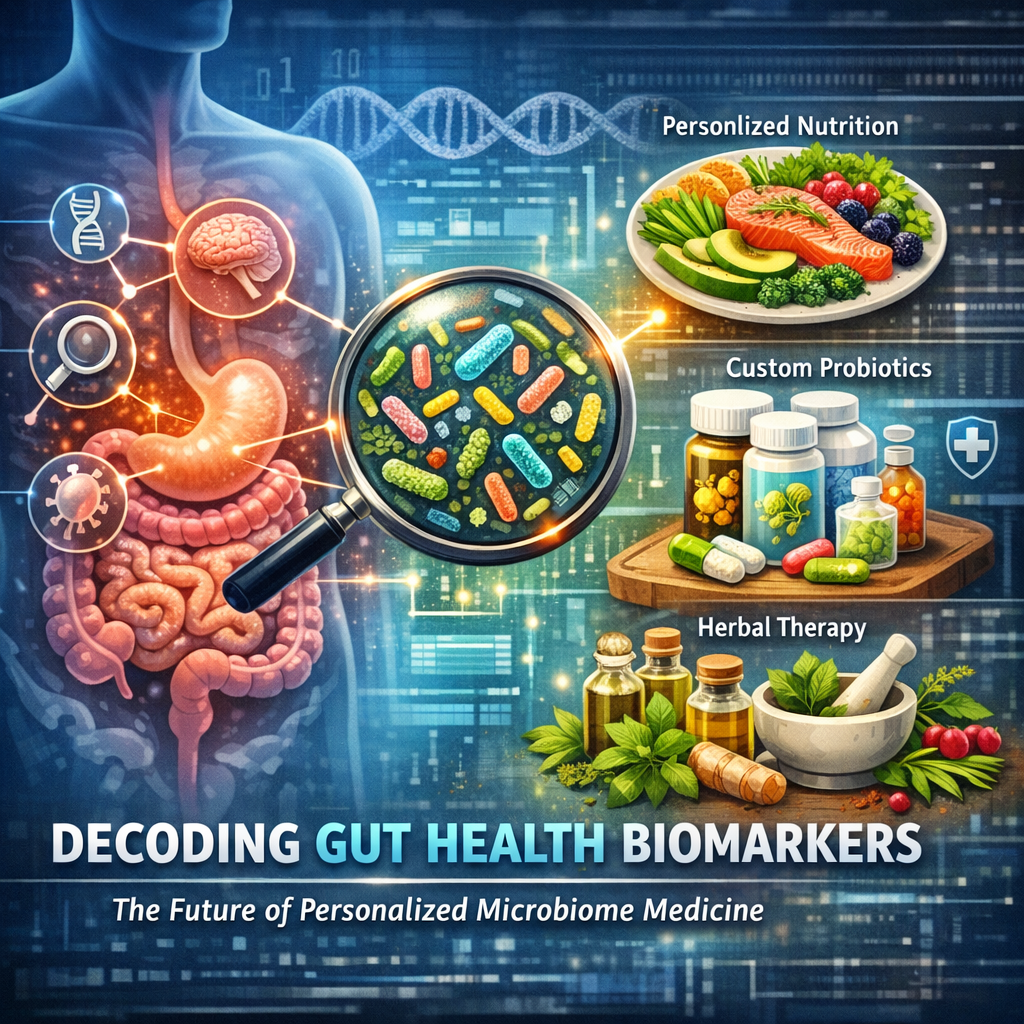
In recent years, the understanding of gut health has evolved far beyond simple digestion. We’re beginning to recognize the gut’s profound influence on overall health, mental well-being, and even systemic diseases. Central to this understanding is the gut microbiome—a diverse community of trillions of bacteria living in our digestive tract that play integral roles in nutrient absorption, immune function, and the production of neurotransmitters. An often overlooked aspect of gut health is its interaction with our circadian rhythms.
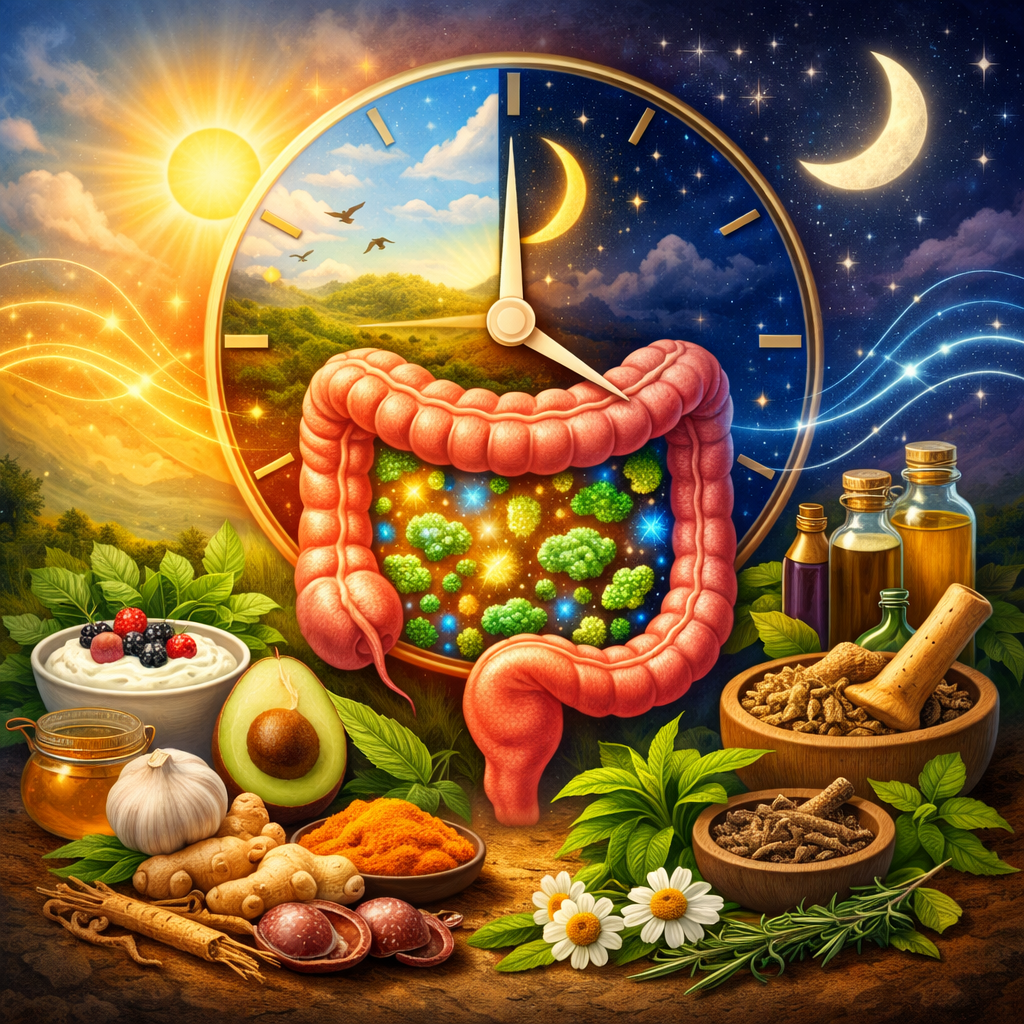
Circadian rhythms, our body’s internal clocks, regulate sleep-wake cycles, hormone release, and other vital bodily functions on a roughly 24-hour cycle. Intriguingly, the gut microbiome also exhibits its own rhythmic fluctuations throughout the day, influencing its composition and function. This bi-directional relationship between circadian rhythms and the gut microbiome suggests that syncing these two systems could optimize digestive health, enhance nutrient absorption, and bolster the immune system.
Unfortunately, modern lifestyles often disrupt these natural rhythms. Irregular sleep patterns, erratic eating habits, and chronic stress can lead to circadian misalignment, impairing gut health. This has sparked a scientific interest in developing therapies that harness this gut-brain-circadian axis to restore balance. Natural cures and herbal treatments emerge as promising tools for realigning our biological clocks with the microbiome, promoting healthier digestion and overall well-being.
Recognizing the potential of these natural interventions, researchers are exploring a variety of strategies to maintain synchronicity between circadian rhythms and the gut microbiome. These include mindful eating practices, the timing of meals with daylight hours, and the incorporation of specific herbs and natural compounds known to support gut health. This revolutionary approach not only paves the way for enhanced digestive health but also offers a holistic strategy for improving overall vitality and disease prevention. As we uncover more about the symbiotic relationship between our circadian rhythms and the microbiome, integrating natural, time-honored remedies into our daily routines offers a hopeful path toward optimal health.
Features
Emerging research highlights the critical connection between circadian rhythms and gut health. A study published in the journal [*Cell*](https://doi.org/10.1016/j.cell.2014.09.048) demonstrated that disruptions in the circadian system could lead to alterations in gut microbiota composition, increasing susceptibility to obesity and metabolic disorders (Thaiss et al., 2014). The study underlines the importance of maintaining a synchronized biological clock to ensure a balanced and diverse microbiome.
Additionally, research reveals that certain herbal remedies and natural compounds can positively influence gut health and circadian alignment. For instance, prebiotic fibers and polyphenols found in foods such as onions, garlic, and artichokes can selectively nourish beneficial gut bacteria, enhancing their rhythmicity ([Cei et al., 2019](https://doi.org/10.5772/intechopen.82302)). This suggests that incorporating these foods into our diet may help strengthen the gut’s circadian cycles.
Furthermore, adaptogenic herbs, such as Ashwagandha, have shown promise in modulating stress responses, which can otherwise disrupt circadian rhythms ([Chandrasekhar et al., 2012](https://doi.org/10.4103/0253-7176.106022)). By reducing stress-induced alterations to the biological clock, adaptogens can indirectly support gut health. Similarly, turmeric, rich in curcumin, exhibits anti-inflammatory properties that can help soothe the gut lining and promote digestive health, harmonizing the gut ecosystem.
Incorporating these findings into practical applications, scientists propose timed feeding as an effective strategy for aligning circadian rhythms with gut microbiota. Known as chrononutrition, this practice involves consuming meals in alignment with natural daylight hours, optimizing digestive hormone release and microbial balance ([Oike et al., 2015](https://doi.org/10.3390/nu6083645)). Such dietary habits could complement the beneficial effects of natural remedies, offering a holistic approach to gut health.
Incorporating these natural practices into daily routines not only aids in maintaining a healthy gut microbiome but also has far-reaching effects on mental clarity, energy levels, and chronic disease management. By respecting our body’s innate biological rhythms and supporting them with herbal treatments, we unlock the potential for improved overall health and well-being.
Conclusion
In conclusion, embracing a lifestyle that synchronizes the gut microbiome with circadian rhythms holds immense promise for enhancing digestive health and overall well-being. Natural cures and herbal treatments offer a time-honored approach to achieving this balance, harnessing the synergy between ancient wisdom and modern science. As we continue to unravel the intricate relationship between the gut, biology, and our daily cycles, integrating these natural solutions provides a practical and effective strategy for achieving optimal health. By nurturing our body’s internal clocks through mindful eating, adaptogenic support, and the healing power of nature’s pharmacy, we embark on a journey towards vitality, resilience, and a harmonized existence.
Summary
Synchronizing the gut microbiome and circadian rhythms can lead to improved digestive health and overall vitality. The gut microbiome plays a crucial role in nutrient absorption, immune function, and neurotransmitter production. However, modern lifestyles often disrupt our natural biological clocks. Strategies such as chrononutrition, mindful eating, and incorporating herbal remedies like Ashwagandha and turmeric can restore rhythm. By maintaining this sync, individuals may experience enhanced mental clarity, energy levels, and chronic disease management, offering a holistic path to optimal health.