Unlocking Ancient Healing: The Role of Forgotten Phytochemicals in Modern Gut Protocols
Introduction
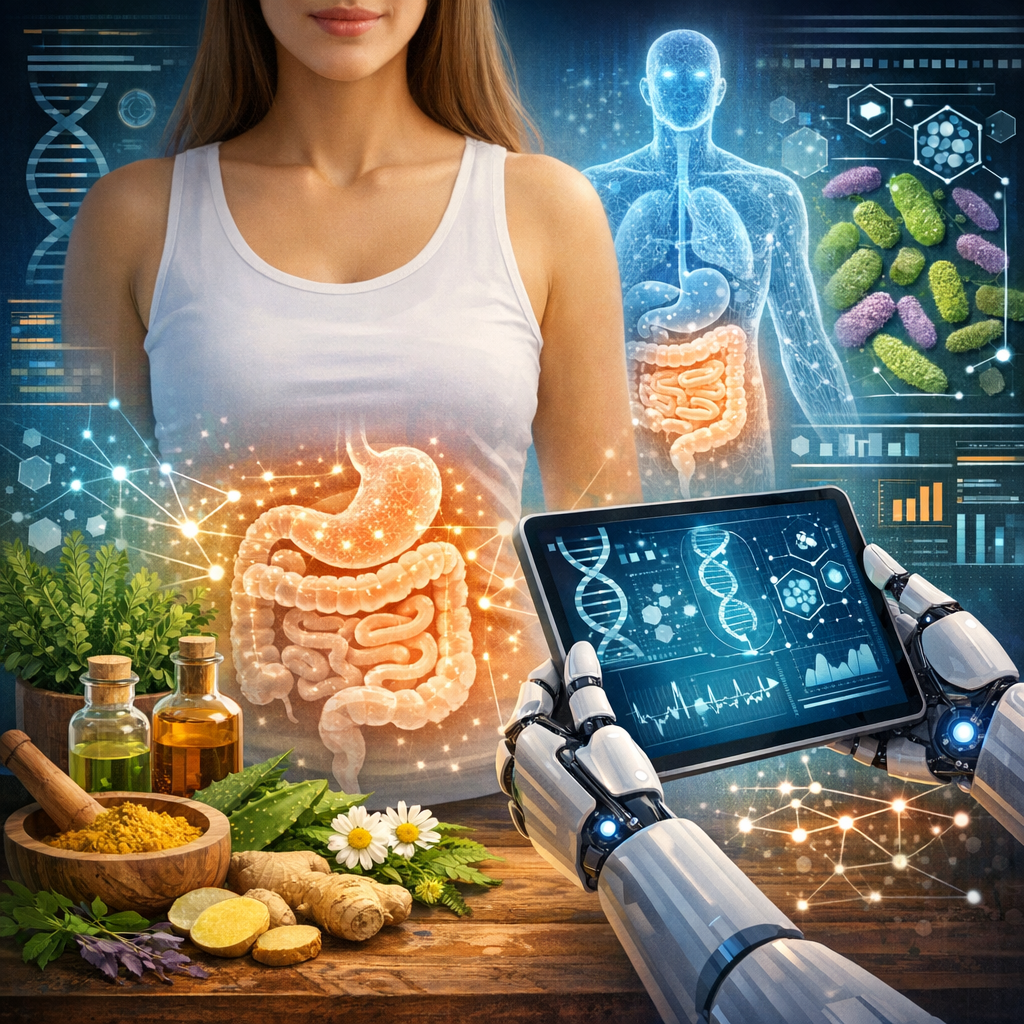
In recent years, there has been a surge of interest in ancient medicinal practices and natural remedies, spurred by a growing desire for sustainable and holistic health approaches. As understanding of body functions advances, traditional medicine systems and their vast repository of plant-based treatments are being revisited, particularly for gut health. These traditional remedies rely on phytochemicals, natural compounds in plants, used for centuries but overshadowed by modern pharmaceuticals.
Phytochemicals are bioactive compounds responsible for many health benefits linked to plant-based diets. Although they often receive little attention outside the culinary scene, their potential effects on gut health are profound. These compounds can influence the gut microbiota, enhancing beneficial bacteria growth while inhibiting pathogenic strains. This leads to a healthier gut environment and improved digestion, absorption, and immune response. Prominent phytochemicals such as flavonoids, alkaloids, terpenoids, and saponins have garnered attention for their therapeutic potential.
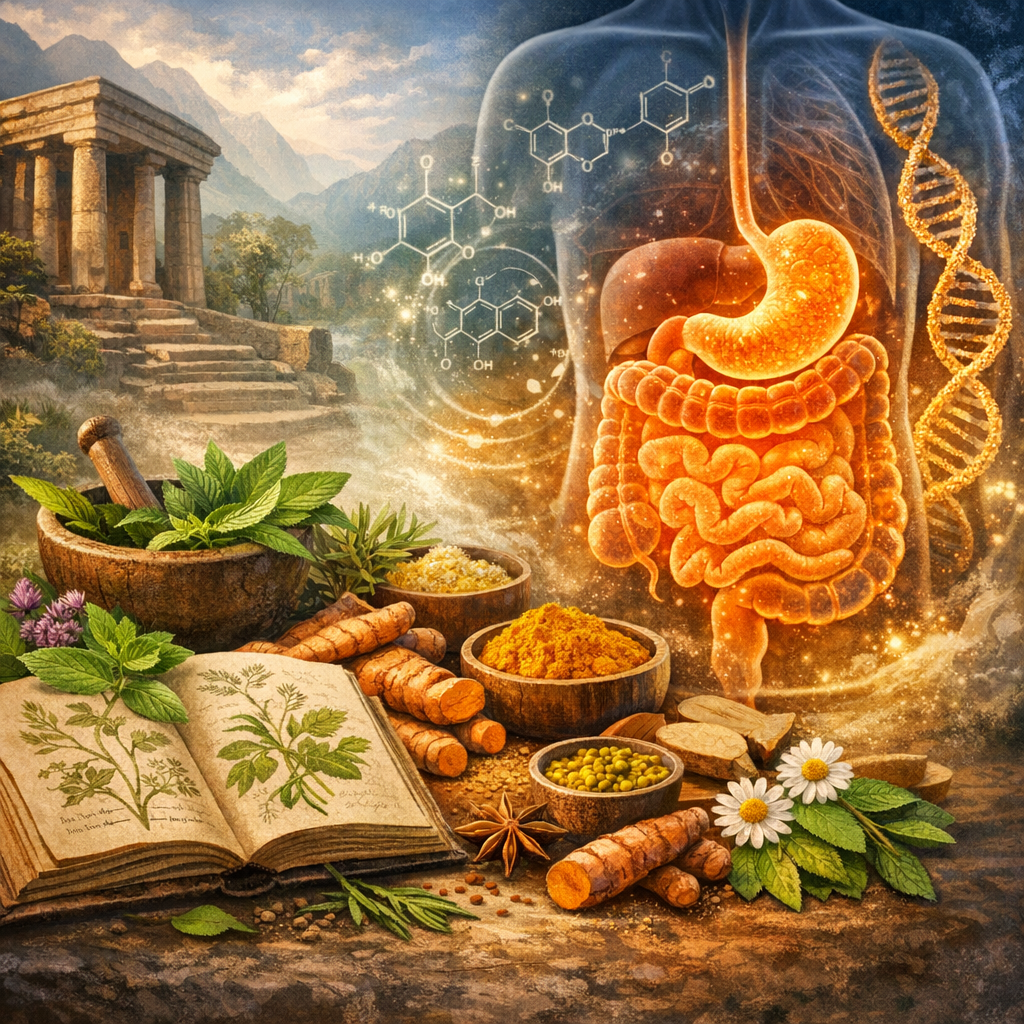
Ancient cultures worldwide have used these compounds in various forms, such as in Ayurveda, Traditional Chinese Medicine (TCM), and ancient European herbal practices, harnessing the power of plants for gut health. Turmeric, ginger, and licorice root are examples of herbs with enduring efficacy in promoting digestive health.
In today’s era, where gut-related issues like irritable bowel syndrome (IBS), inflammatory bowel disease (IBD), and leaky gut syndrome are rampant, revisiting these practices offers a more integrated treatment approach. By combining modern scientific insights and time-tested remedies, powerful protocols that unlock the healing potential of forgotten phytochemicals can be developed.
Features
Recent studies substantiate the traditional benefits of phytochemicals for gut health. Research in the journal [*Frontiers in Microbiology*](https://www.frontiersin.org/articles/10.3389/fmicb.2020.565700/full) highlights the impact of flavonoids on gut microbiota. This extensive review shows flavonoids can alter gut bacteria composition and functionality, promoting anti-inflammatory and anti-diabetic bacterial strains (Zheng et al., 2020). Such findings suggest that incorporating flavonoid-rich foods or supplements into the diet may offer tangible health benefits.
Another study in [*Nutrients*](https://www.mdpi.com/2072-6643/11/6/1314) discusses the gut-modulating effects of curcumin, the active component in turmeric. Curcumin is known for its anti-inflammatory effects by modulating gut microbiota and enhancing intestinal barrier function (Toden et al., 2019). This makes curcumin particularly valuable for addressing conditions like IBS and IBD, where inflammation and intestinal permeability are significant concerns.
Additionally, alkaloids show potential for gut health improvements. A study in [*Phytotherapy Research*](https://onlinelibrary.wiley.com/doi/abs/10.1002/ptr.6231) explores the benefits of berberine, found in herbs like goldenseal and barberry. The study finds berberine has antimicrobial properties aiding balanced gut microbiome maintenance, reducing symptoms of bacterial overgrowth and inflammation (Zhang et al., 2019).
This converging evidence emphasizes the importance of phytochemicals in gut health protocols. As research progresses, new pathways through which these natural substances support and restore gut health are uncovered. These insights are crucial for professionals seeking comprehensive treatment plans that merge ancient practices with modern science.
Conclusion
The emerging evidence for phytochemicals’ benefits on gut health is undeniable. Integrating these ancient compounds into modern protocols allows addressing gut health issues more holistically and sustainably. As research unfolds, it will further illuminate the pathways through which these plant medicine heroes can support digestion, bolster the immune system, and enhance overall well-being. Embracing this synergy between tradition and innovation invites us to rediscover the healing power of nature and foster a gut health revolution grounded in ancient wisdom.
References
– Zheng, H., et al. (2020). [Flavonoids: Promising Natural Products for Treating Inflammatory Bowel Disease.](https://www.frontiersin.org/articles/10.3389/fmicb.2020.565700/full) *Frontiers in Microbiology*.
– Toden, S., et al. (2019). [Curcumin and its Role in Intestinal Health.](https://www.mdpi.com/2072-6643/11/6/1314) *Nutrients*.
– Zhang, X., et al. (2019). [Berberine and Gut Microbiota.](https://onlinelibrary.wiley.com/doi/abs/10.1002/ptr.6231) *Phytotherapy Research*.
Concise Summary: The article discusses the growing interest in ancient medicinal practices and natural remedies for gut health, focusing on the potential of phytochemicals—bioactive plant compounds. Highlighting recent studies, it demonstrates how flavonoids, curcumin, and berberine benefit the gut microbiota, showing anti-inflammatory and antimicrobial properties. By integrating these compounds into modern protocols, there is potential to address gut issues more sustainably, blending traditional wisdom with modern insights for a holistic health approach.