Harnessing the Gut-Kidney Connection: Revolutionary Protocols for Alleviating Autoimmune Flare-Ups
Introduction
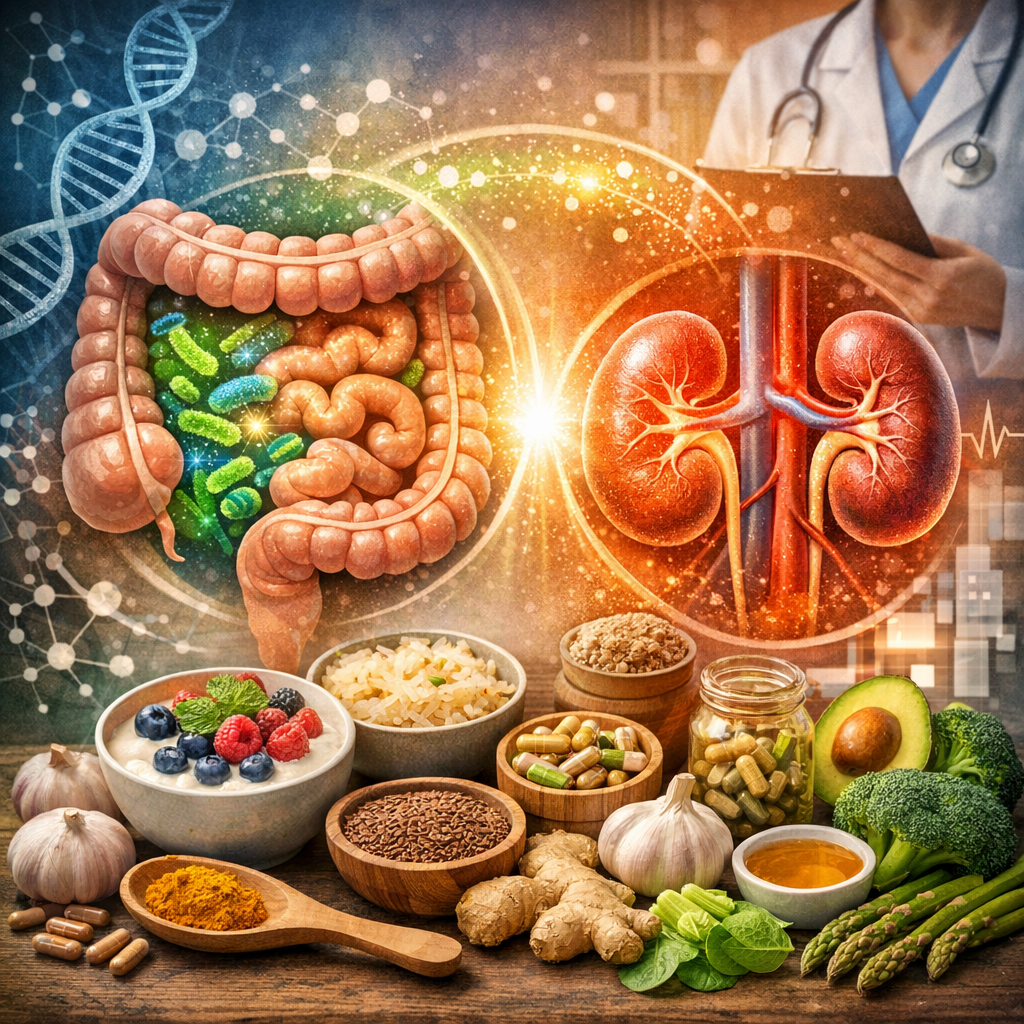
In recent years, the intricate dynamics between our gut and overall health have become a focal point in medical research. A growing body of evidence highlights the profound relationship between the gut microbiome and various bodily systems, including the kidneys. Known as the gut-kidney axis, this connection is seen as pivotal in understanding and potentially mitigating autoimmune diseases.
Autoimmune disorders represent a broad spectrum of conditions where the body’s immune system mistakenly targets its own tissues, leading to chronic inflammation and damage. Such disorders are not only challenging to manage but also have significant implications for a patient’s quality of life. Concurrently, kidney functions play a crucial role in regulating various metabolic processes, including the elimination of waste and toxins, modulation of blood pressure, and maintenance of electrolyte balance. Irregularities in these processes can exacerbate autoimmune conditions.
Recent research demonstrates that the gut microbiome’s composition can influence the immune system, potentially impacting kidney health directly. The microbiome, an assemblage of trillions of microorganisms residing in the gastrointestinal tract, interacts closely with the immune system, producing metabolites that can either reinforce or undermine immune resilience. These interactions offer promising pathways for innovative treatments and natural interventions aimed at balancing immune responses.
Alternative therapies, including herbal medicines and dietary adjustments targeting the microbiome, have surfaced as promising allies in the fight against autoimmune flare-ups. While medications remain essential, understanding and harnessing natural cures rooted in traditional medicine can provide complementary benefits. Diets rich in prebiotics, probiotics, polyphenols, and anti-inflammatory compounds have been identified as potential modulators of gut health, subsequently influencing renal function favorably.
However, as alternative therapies increasingly come under the spotlight, it is crucial to approach treatments holistically. Recognizing the intertwined nature of gut and kidney health opens up new therapeutic avenues. This knowledge not only broadens existing conventional treatment methodologies but also emphasizes the importance of lifestyle and dietary factors in maintaining health equilibrium.
Features
Scientific studies have consistently underscored the bidirectional communication between the gut and kidneys, unveiling avenues to manage autoimmune diseases through integrative approaches. One pivotal study published in the Journal of Autoimmunity highlighted how immune responses in the gut can affect renal functions. Researchers noted that inflammation originating in the intestinal tract could reach the kidneys, triggering autoimmune responses. This insight is a cornerstone in developing therapeutic strategies aimed at fortifying gut health to support renal function.
Moreover, a study in Nature Reviews Nephrology delved into the impact of probiotics and prebiotics on gut microbiota modulation. The study demonstrated that certain strains of probiotics could reduce inflammation markers and improve renal outcomes in autoimmune conditions. This evidence supports the implementation of dietary interventions rich in fermented foods and fiber, reinforcing gut integrity and bolstering immune defenses.
Furthermore, the use of herbal interventions has garnered attention. A study published in Phytotherapy Research reviewed the effects of herbs like turmeric, ginger, and dandelion on the gut-kidney axis. It found that these botanicals possess strong anti-inflammatory and antioxidant properties that can reduce the inflammatory burden on the kidneys, ultimately alleviating symptoms of autoimmune disorders.
Ongoing trials continue to explore the synergy between the gut microbiome, dietary interventions, and renal health. These studies aim to create comprehensive management protocols that marry conventional medicine with natural therapies, potentially revolutionizing treatment paradigms for autoimmune disorders. This integrated approach, focusing on the gut-kidney connection, encapsulates a cutting-edge perspective on managing chronic health challenges, offering hope for reduced reliance on pharmaceuticals and enhanced patient quality of life.
Conclusion
The gut-kidney axis presents an exciting frontier in autoimmune disease management, supporting a holistic view that intertwines diet, lifestyle, and conventional medicine. Integrating natural therapies rooted in herbal medicine and prebiotic-dense nutrition could potentiate traditional treatments, opening doors to innovative management of autoimmune conditions. While research continues to unfold, these integrative strategies not only highlight the complexity of human biology but also empower individuals with proactive avenues to manage their health. As we advance understanding of the connections between gut health and chronic conditions, the potential to alleviate autoimmune flare-ups using these revolutionary protocols offers a promising, complementary solution to traditional treatment avenues.
Concise Summary: The gut-kidney axis is a critical area of exploration for managing autoimmune diseases. With the gut microbiome influencing the immune system and kidney functions, understanding this connection offers new treatment pathways. Integrative therapies combining dietary adjustments, herbal remedies, and conventional medicine show potential in reducing autoimmune flare-ups. Research highlights the promise of prebiotics, probiotics, and anti-inflammatory diets in improving both gut and kidney health. These revolutionary protocols foster a holistic approach, empowering patients with additional tools to enhance their quality of life alongside traditional treatments.