Gut Fungi: The Missing Link in Personalized Gastroenterology Protocols Uncovered
Introduction
In recent years, gut health has moved to the forefront of medical research, drawing attention to the intricate ecosystem within our digestive systems. While bacteria have traditionally dominated the conversation, a burgeoning field of study is casting light on the vital role of fungi in the gut microbiome. These microscopic organisms, once relegated to the periphery of health discussions, are now being heralded as crucial players in maintaining gut health and fostering a personalized approach to gastroenterology.
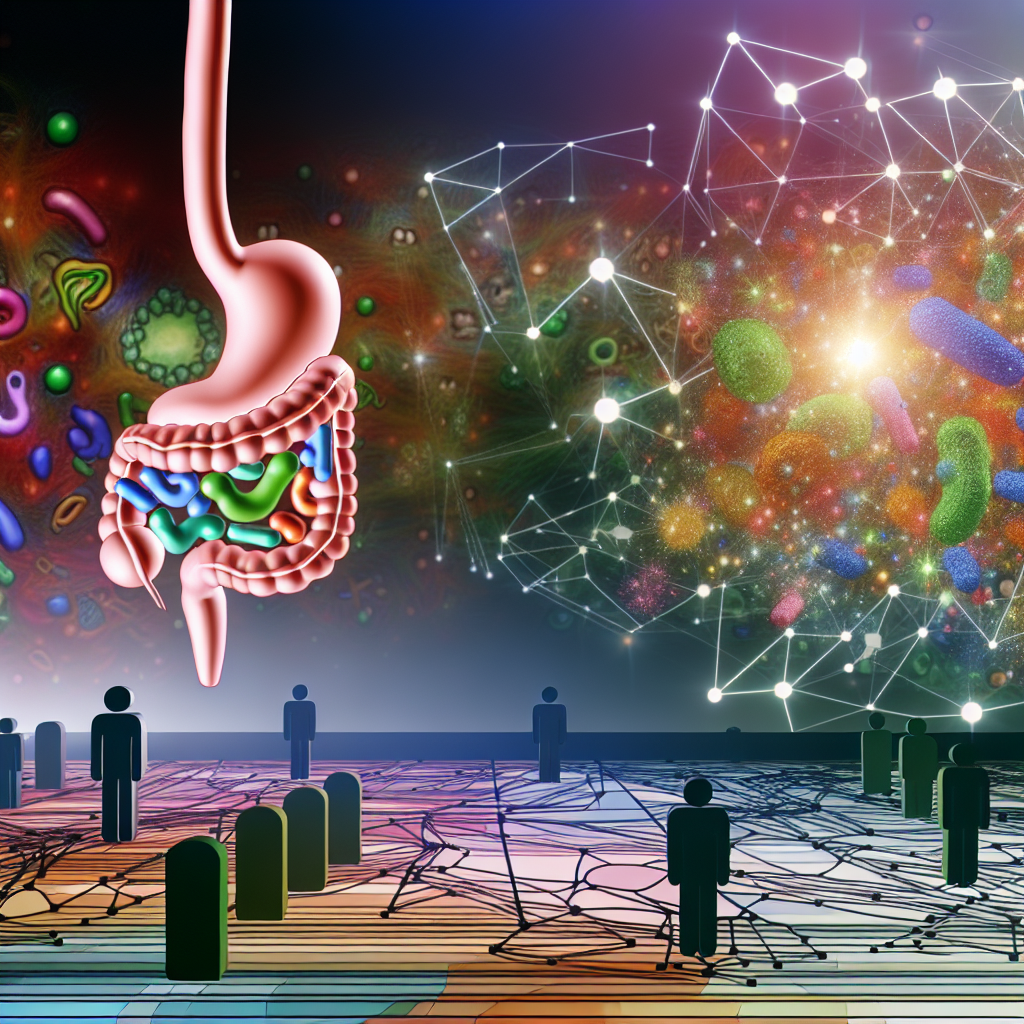
The human gut is a bustling metropolis of microorganisms, with bacteria, viruses, and fungi all vying for space and resources. Among these, fungi are the less-discussed inhabitants, yet they are far from insignificant. Recent studies have highlighted the potential role of fungal communities, or mycobiota, in influencing gut health and how imbalances can lead to various gastrointestinal disorders. Candida species, Malassezia, and Saccharomyces are some of the most studied fungi, but the gut hosts a myriad of fungal species that could have profound implications on overall health.
The diversity and balance of these fungal communities are essential in developing personalized gastroenterology protocols. The presence or absence of specific fungi may not only affect digestive health but could also influence metabolic processes, immune responses, and even mood and behavior. Disruption in the fungal community, known as dysbiosis, has been linked to conditions such as inflammatory bowel disease (IBD), irritable bowel syndrome (IBS), and even obesity.
With the advancement of technology and genomic sequencing, researchers are better equipped to understand the mycobiome’s role in human health. It’s becoming increasingly clear that gut fungi might be the missing link in personalizing gastroenterology treatments and enhancing the effectiveness of traditional approaches. By understanding the symbiotic relationship between gut fungi and other microorganisms, healthcare providers can better tailor interventions to the needs of individual patients, ushering in a new era of precision medicine.
Features
Scientific interest in the gut mycobiome is relatively new, yet it is rapidly gaining traction. A pivotal study published in the journal [*Cell Host & Microbe*](https://www.cell.com/cell-host-microbe) underscores the intricate relationship between fungi and human health. The study found that a diverse fungal community is typically associated with gut health, while overgrowth of specific fungi like Candida albicans is linked to gastrointestinal disorders such as Crohn’s disease and ulcerative colitis.
Advancements in sequencing technologies have made it possible to map the mycobiome with greater accuracy, providing insights into how these microorganisms interact with the host and other microbiome components. Research led by Dr. Mahmoud Ghannoum, a pioneering mycologist, evaluates the mycobiome’s role in health and disease, suggesting that an imbalance could foster pathogenic bacterial growth, leading to inflammation and tissue damage [source: Dr. Mahmoud Ghannoum’s research](https://www.frontiersin.org/articles/10.3389/fcimb.2019.00320/full).
Additional research from the [*Journal of Gastroenterology*](https://link.springer.com/article/10.1007/s00535-018-1496-6) highlights the potential therapeutic strategies targeting fungal microflora. Scientists are exploring antifungal treatments and dietary adjustments to modulate fungal populations and restore balance. Probiotics and prebiotics are also being investigated for their capacity to foster a healthy mycobiome, with evidence suggesting they can impact the growth of beneficial fungi while suppressing harmful species.
These findings indicate that incorporating fungal analysis into personalized treatment plans could address current therapy limitations. Not only could this approach help alleviate symptoms in individuals suffering from chronic gut ailments, but it could also prevent the onset of disease in at-risk populations. Practitioners looking to integrate these insights into clinical practice may turn to innovative testing techniques that provide comprehensive mycobiome assessments, paving the way for individualized care.
Conclusion
As research into the gut mycobiome continues to unfold, its potential to transform personalized gastroenterology protocols becomes increasingly apparent. By appreciating the distinct role fungi play in gut health and leveraging advanced diagnostic tools, medical professionals can develop tailored interventions that address the unique microbial landscape of each patient. The burgeoning understanding of gut fungi not only strengthens the relationship between diet, lifestyle, and gut health but also promises to elevate the standard of care in gastroenterology. Embracing this missing link, the mycobiome could be a game-changer in the quest for optimum wellbeing.
Concise Summary
The role of fungi in the gut microbiome is gaining attention for its potential in personalized gastroenterology. Recent studies reveal that gut fungi are key players in maintaining digestive health, impacting metabolism, immunity, and even behavior. Disruptions in fungal balance, affecting conditions like IBD and obesity, highlight the need for a deeper understanding. With advances in genomic sequencing and therapeutic strategies, personalized plans incorporating fungal analysis show promise in addressing chronic gut ailments, marking a new frontier in precision medicine and enhancing patient care.