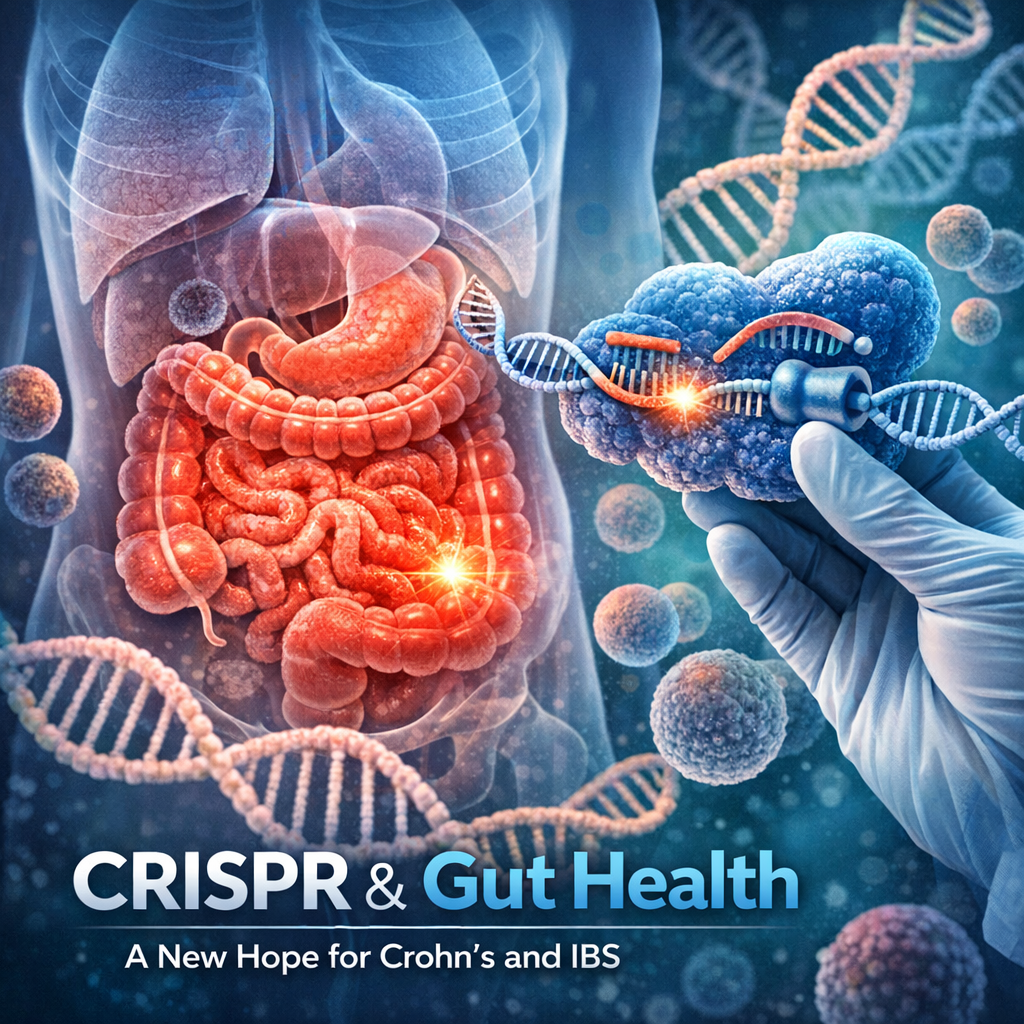
Gut Gene Editing: How CRISPR Could Revolutionize Chronic Digestive Treatment Protocols
Chronic digestive disorders such as Crohn’s disease, ulcerative colitis, and irritable bowel syndrome (IBS) affect millions worldwide, often causing debilitating symptoms that significantly impact quality of life. Traditional treatments, primarily involving medications like anti-inflammatories and immunosuppressants, aim to manage symptoms but often fall short of providing a long-term solution. Recent advancements in genetic engineering, particularly the development of CRISPR-Cas9 technology, offer promising avenues for revolutionizing the treatment of these conditions by targeting the root causes at the genetic level.
CRISPR-Cas9, a tool derived from bacterial defense mechanisms, enables precise editing of specific DNA sequences within the genomes of living organisms. This groundbreaking technology offers the potential to correct genetic mutations and modulate gene expressions associated with gut health and disease. By honing in on the genes responsible for inflammation and immune responses in the gut, CRISPR could enable the reprogramming of cells to mitigate or even eradicate the underlying causes of chronic digestive conditions.
The potential applications of CRISPR in gut health are multifaceted. For inflammatory bowel diseases (IBDs) like Crohn’s and colitis, researchers are exploring how gene editing can reduce pathological inflammation and restore healthy gut function by targeting specific cytokines or immune cells. Genetic predispositions often play a crucial role in these conditions, and CRISPR enables the precise alteration of such detrimental genetic traits. Moreover, researchers investigate the microbiome’s genetic components to regulate or modify the gut flora for maintaining or restoring health.
In addition to its therapeutic potential, CRISPR also provides a powerful research tool for better understanding the complex interactions within the gut ecosystem. By enabling studies that were previously unfeasible, CRISPR allows scientists to dissect the genetic contributions of individual microbes within the gut microbiome, leading to more effective interventions in both health and disease contexts.
CRISPR’s precision and versatility have sparked a surge of studies and trials focused on gastrointestinal applications. For instance, a study published by Science Translational Medicine showcased how CRISPR was used to target and reduce bacterial pathogens in mice, highlighting its capability to address imbalances in the gut microbiome that contribute to disease ([source](https://stm.sciencemag.org/)). Another notable study by Cell Reports focused on the application of CRISPR in modulating immune cell function in the gut to treat inflammation, offering hope for new therapeutic strategies against IBDs ([source](https://www.cell.com/cell-reports)).
Furthermore, the potential to edit genes associated with celiac disease—an autoimmune disorder triggered by gluten—illustrates CRISPR’s broad scope. Researchers are working on disabling the immune response that leads to intestinal damage upon gluten exposure, possibly allowing individuals with this condition to consume gluten without adverse effects. This research underscores CRISPR’s potential in providing personalized medical interventions based on individual genetic profiles.
Despite these promising advancements, the application of CRISPR in treating chronic gut disorders is still in its infancy and is accompanied by significant ethical and safety concerns. Off-target effects, wherein the CRISPR technology may inadvertently alter unintended genes, pose risks that must be carefully evaluated and mitigated. Additionally, the long-term implications of genetic modifications need thorough consideration to ensure safe and effective treatment protocols.
In conclusion, CRISPR presents an exciting frontier in the quest for more effective, long-lasting treatments for chronic digestive disorders. By directly addressing genetic causes, this technology moves beyond symptomatic relief towards potential cures. As research advances, CRISPR could transform personalized medicine, allowing interventions tailored to individual genetic makeups and microbiome compositions. While challenges remain, particularly around safety and ethics, the prospects for utilizing CRISPR in gut health are compelling, holding promise for millions of patients seeking relief from chronic conditions.
References:
1. [Science Translational Medicine](https://stm.sciencemag.org/)
2. [Cell Reports](https://www.cell.com/cell-reports)
Concise Summary
Chronic digestive disorders, like Crohn’s disease and IBS, affect millions, often inadequately managed by current treatments. CRISPR-Cas9, a revolutionary genetic editing tool, offers hope by directly targeting genetic causes of these conditions. It presents possibilities for precise gene alterations, potentially reducing inflammation and restoring gut health. CRISPR also extends to research, enabling deeper insights into gut microbiome interactions. While ethical and safety challenges persist, especially concerning off-target effects, the potential for personalized medicine adjustments makes CRISPR a promising frontier for effective long-term solutions in chronic digestive treatment.