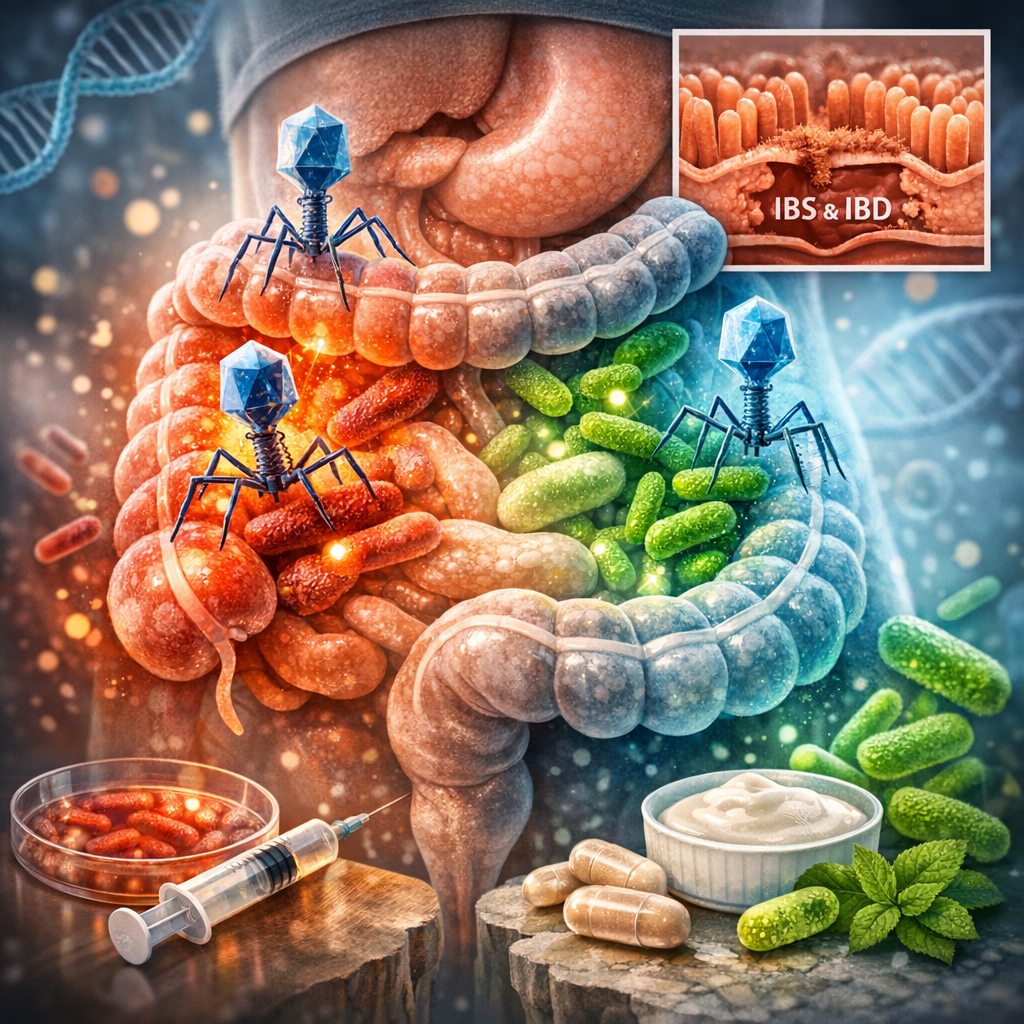
Revolutionizing Gut Health: Unveiling the Role of Gut Virome and Phage Therapy in Chronic Digestive Disorders
In recent years, the understanding of gut health has expanded beyond the familiar realms of probiotics and the microbiome. Scientists are now delving into another intriguing component of our gastrointestinal tract – the gut virome. This collective term refers to the viral community within our gut, a dynamic assemblage that plays an essential role in maintaining gut homeostasis and possibly influencing overall health. Inside this hidden world reside bacteriophages—viruses that infect and control bacterial populations. The study of these entities is forging new pathways in addressing chronic digestive disorders, a revelation with the potential to dramatically transform approaches to gut health.
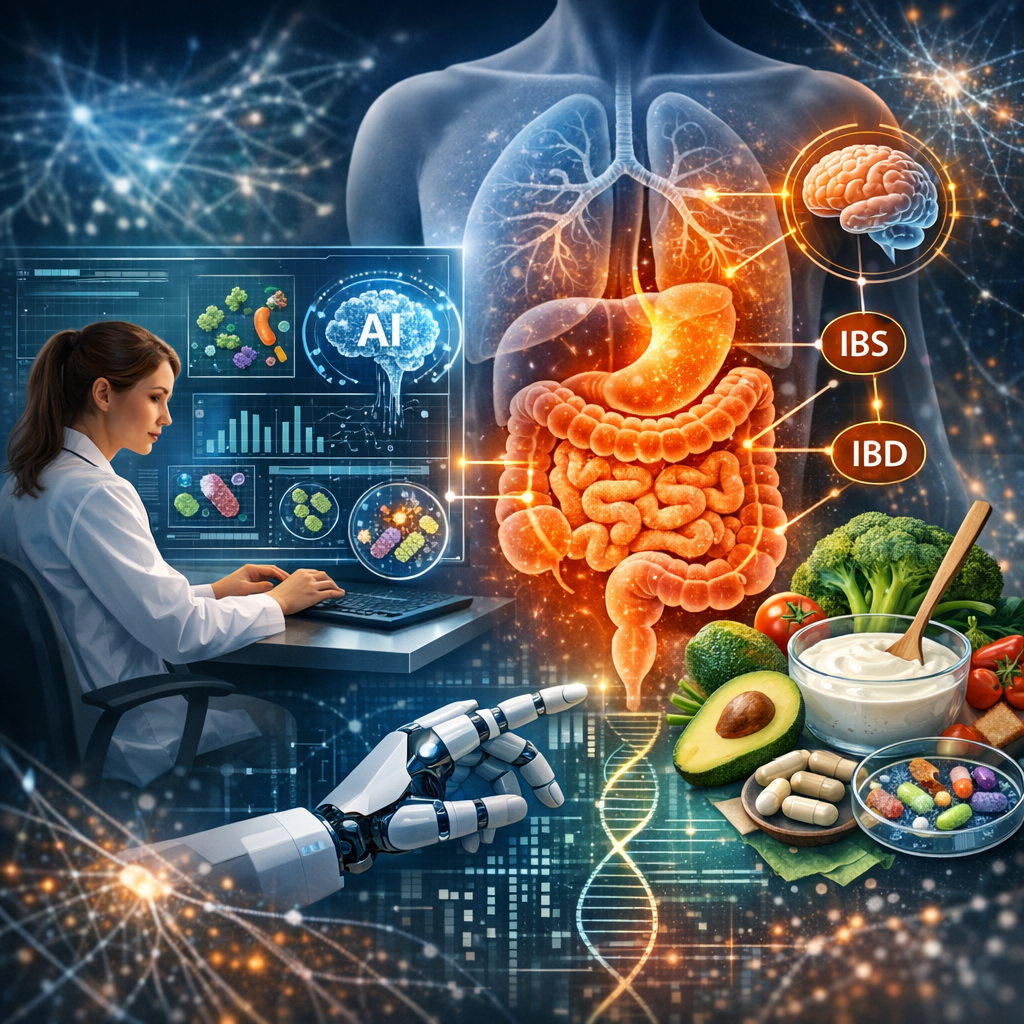
Chronic digestive disorders, such as Irritable Bowel Syndrome (IBS), Inflammatory Bowel Disease (IBD), and Crohn’s disease, affect millions worldwide, often leading to debilitating symptoms and impacting the quality of life. Traditional therapies focus primarily on managing symptoms rather than offering a cure. This is where the gut virome takes center stage as an innovative frontier in understanding and potentially curing these conditions.
Bacteriophages, or phages for short, act as a natural regulatory system for the bacterial populations in our gut. By influencing which bacteria thrive and which ones are subdued, phages naturally modulate the microbiome’s diversity and stability. Recent technological advancements in metagenome sequencing have illuminated the complex interplay between phages and their bacterial hosts, showcasing their possible implications in controlling pathogenic bacteria that contribute to chronic disorders.
Phage therapy, though an old concept, is experiencing a renaissance as we understand more about the gut virome. It offers a natural method to selectively target and eliminate harmful bacteria while sparing beneficial ones, a significant advantage over broad-spectrum antibiotics that disrupt the entire microbiome. The potential for phage therapy in chronic digestive disorders could spell a profound shift by precisely targeting the root bacterial causes rather than merely mitigating symptoms.
Features: Examining Professional and Medical Studies
Research into the gut virome and phage therapy is burgeoning. A pivotal study published in the journal “Nature” highlighted how phages could be harnessed to alter bacterial populations in lab-controlled environments, illustrating potential therapeutic application [(Boling et al., 2020)](https://www.nature.com/articles/s41586-020-2453-y). This study showed that gut-residing phages could be manipulated to decrease the abundance of pathogenic bacteria responsible for inflammation and digestive disorders without affecting the beneficial microbes.
Moreover, the work of Dr. Martha Clokie and her team has demonstrated the specificity of phage therapy in treating antibiotic-resistant bacterial infections. This ability to selectively target bacteria resonates with the need for precision therapies in treating gut disorders [(Clokie et al., 2019)](https://www.frontiersin.org/articles/10.3389/fmicb.2019.00595/full). Another study, published in “Cell Host & Microbe,” emphasized the virome’s role in modulating the immune response within the gut, suggesting that phages could potentially be used to re-calibrate immune dysfunctions seen in diseases like IBD and Crohn’s disease [(Norman et al., 2015)](https://www.cell.com/cell-host-microbe/fulltext/S1931-3128(15)00061-2).
Additionally, clinical trials are beginning to emerge. A notable trial, initiated by Phagelux, looks into personalized phage cocktails to treat infections, aiming to eliminate specific bacterial strains associated with Ulcerative Colitis. This personalized approach could offer a more effective treatment modality, reducing inflammation and averting flare-ups by zeroing in on individual patients’ microbiota compositions.
Phage therapy’s promise lies in its ability to offer an alternative to traditional antibiotics, reducing the risk of antibiotic resistance— a growing global health concern. With advancements in genetic engineering, phages can now be reprogrammed to increase their efficacy— creating a spectrum of functionalities that could accommodate various digestive and systemic health issues.
Conclusion
The exploration of the gut virome and the resurgence of phage therapy represent a paradigm shift in gut health management. As research advances, we inch closer to precision-based therapies that do not merely suppress symptoms but address the underlying microbial imbalances at play in chronic digestive disorders. By harnessing the power of the gut virome, we unlock new potential for natural, effective treatments that align with the complexities of human biology. This revolutionary approach may soon transform standard practices, offering hope to millions who suffer in silence with chronic gut conditions.
Concise Summary
The article discusses the emerging understanding of the gut virome and its role in chronic digestive disorders. Researchers highlight the potential of phage therapy as a precision tool to target harmful bacteria while preserving beneficial ones. With focus shifting towards the gut’s viral components, new therapeutic pathways are being developed for conditions like IBS, IBD, and Crohn’s disease. Advances in metagenome sequencing and clinical trials indicate promising applications of phages for personalized treatment, presenting a novel approach to gut health that could reduce antibiotic resistance and improve patients’ quality of life.