Revolutionizing Gut Health: How AI-Driven Nutritional Algorithms Are Personalizing Gut Repair Protocols
Introduction
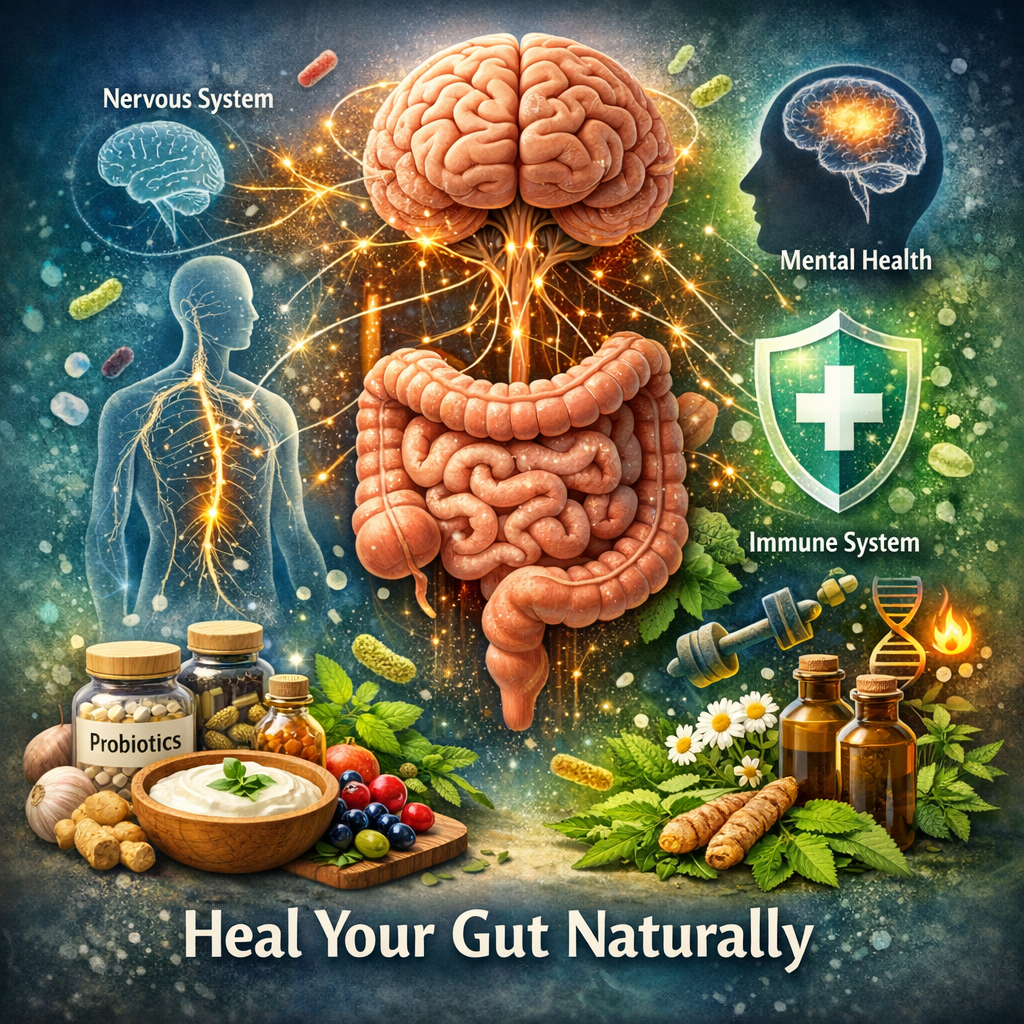
In recent years, the importance of gut health has become increasingly recognized for its pivotal role in overall well-being. The gut is more than just a digestive organ; it is a complex ecosystem that hosts trillions of microorganisms, known as the gut microbiota, essential for various physiological processes including digestion, immune function, and mental health. As interest in gut health grows, so does the demand for personalized solutions that cater to individual needs. Enter artificial intelligence (AI) and its groundbreaking potential to revolutionize how we approach gut health through AI-driven nutritional algorithms.
Traditional methods of addressing gut health often involve a broad-brush approach, where general dietary and supplement recommendations are given based on population-level data. However, these approaches may not be effective for everyone due to the highly individualized nature of gut microbiota. Each person’s gut flora is as unique as their fingerprint, influenced by factors such as genetics, diet, lifestyle, and environment. This is where AI-driven nutritional algorithms come into play, offering a personalized and data-driven approach to gut repair protocols.
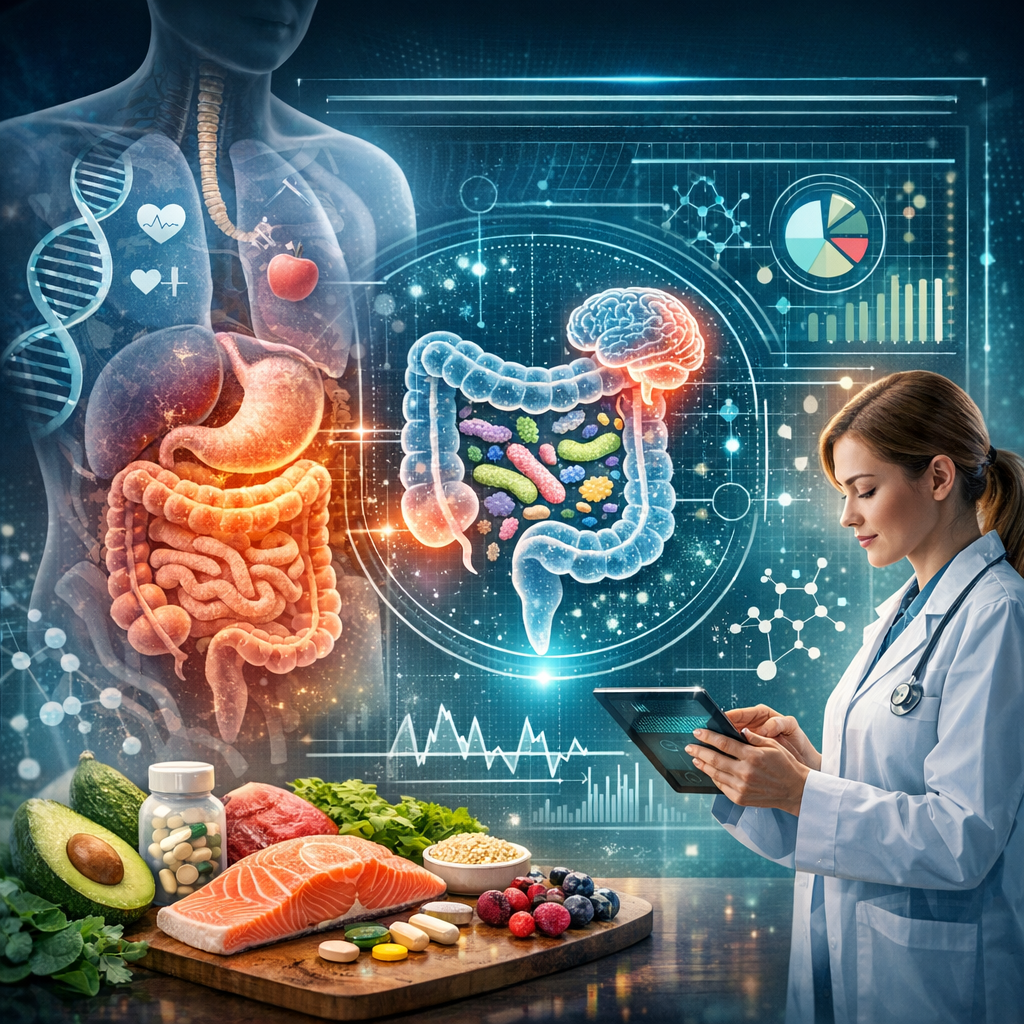
AI-driven solutions utilize machine learning algorithms to analyze a plethora of data, including genetic profiles, microbiome analysis, dietary habits, and lifestyle factors. This allows for the creation of highly individualized gut health protocols that can optimize nutritional intake and address specific gut health issues. By integrating AI technology with the wealth of available scientific knowledge on gut health, these algorithms provide insights and recommendations that are far more precise and effective than traditional methods.
Prominent tech-health startups have begun implementing these AI-powered solutions, offering personalized diet plans, supplement recommendations, and lifestyle modifications tailored to restore and maintain optimal gut health. By continuously learning and adapting from new data inputs, AI-driven algorithms enhance their recommendations, promising a dynamic and evolving approach to gut health management. This personalized approach not only optimizes gut health restoration but also taps into the potential of preventive healthcare, reducing the risk of chronic diseases linked to poor gut health.
Features
AI-driven nutritional algorithms are backed by an array of professional and medical studies, attesting to their efficacy in personalizing gut repair protocols. A study published in the journal [*Nature*](https://www.nature.com/articles/s41586-019-1237-9) highlighted the role of machine learning in predicting gut microbiota responses to dietary interventions. By analyzing microbiome data from a diverse set of individuals, researchers were able to develop an algorithm that predicted personalized dietary responses, showcasing the potential of AI technology to transform nutritional science.
Moreover, a report by the [American Gastroenterological Association (AGA)](https://www.gastro.org/) emphasizes the role of AI in advancing our understanding of gut microbiota. The report outlines how AI tools can analyze large datasets from microbiome sequencing, contributing to the identification of microbial patterns associated with various gut health conditions. By integrating these patterns with individual health data, AI can pinpoint specific dietary and lifestyle interventions to support gut health.
Additionally, a study from the [*Journal of Translational Medicine*](https://translational-medicine.biomedcentral.com/) demonstrated the benefits of utilizing AI in tailoring prebiotic and probiotic supplements. The study showed that personalized probiotic recommendations based on AI analysis showed improved gastrointestinal outcomes compared to generic probiotic use. This indicates the potential of AI-driven approaches to significantly enhance the effectiveness of supplements aimed at restoring gut flora balance.
The rise of AI-driven platforms such as Viome, DayTwo, and Habit exemplifies how technology is translating scientific research into practical applications. These platforms offer personalized health insights by leveraging AI to analyze a user’s microbiome and other data, providing customized dietary and lifestyle recommendations to optimize gut health. Users report significant improvements in digestive health, increased energy levels, and overall well-being following the tailored recommendations provided by these platforms.
Conclusion
AI-driven nutritional algorithms are setting a new standard for personalized gut health management. By harnessing the power of artificial intelligence, individuals can receive tailored recommendations that address their unique gut health needs. This innovative approach not only enhances the effectiveness of gut repair protocols but also has the potential to shift the paradigm toward preventive, personalized healthcare. As technology continues to advance, we can expect even greater integration of AI in optimizing gut health and overall well-being, ushering in a new era of precision medicine.
Concise Summary
AI-driven nutritional algorithms are redefining personalized gut health management by leveraging machine learning to analyze genetic, microbiome, dietary, and lifestyle data. These algorithms deliver highly individualized recommendations, enhancing the efficacy of gut repair protocols and supporting preventive healthcare. Supported by studies published in *Nature*, the AGA, and the *Journal of Translational Medicine*, AI technology improves dietary responses and optimizes probiotic supplementation. Platforms like Viome and DayTwo illustrate practical applications, offering tailored insights and significant improvements in digestive health and overall well-being. This marks a significant shift toward precision medicine and personalized gut health solutions.