The Neuro-Immune Connection: How the Brain’s Feedback Loop with the Gut Can Revolutionize Chronic Digestive Disorder Treatments
Introduction
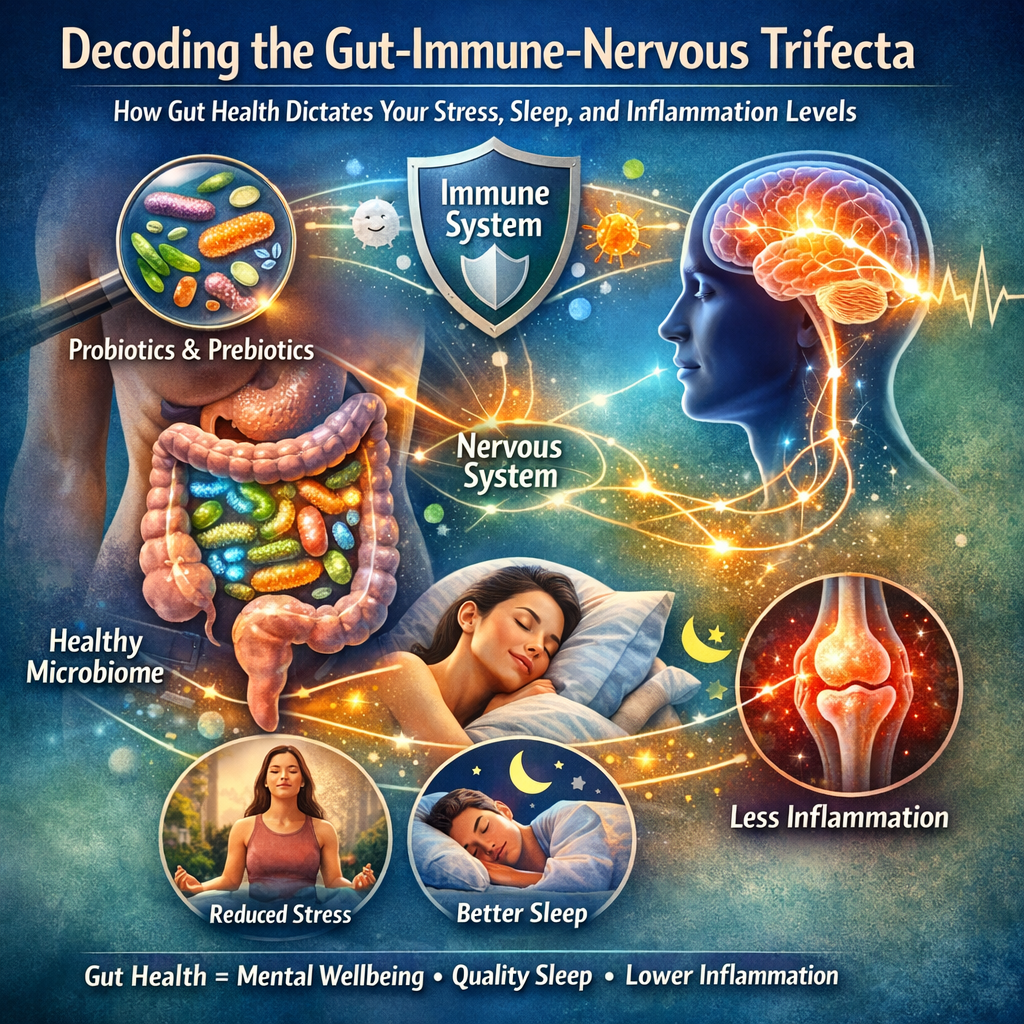
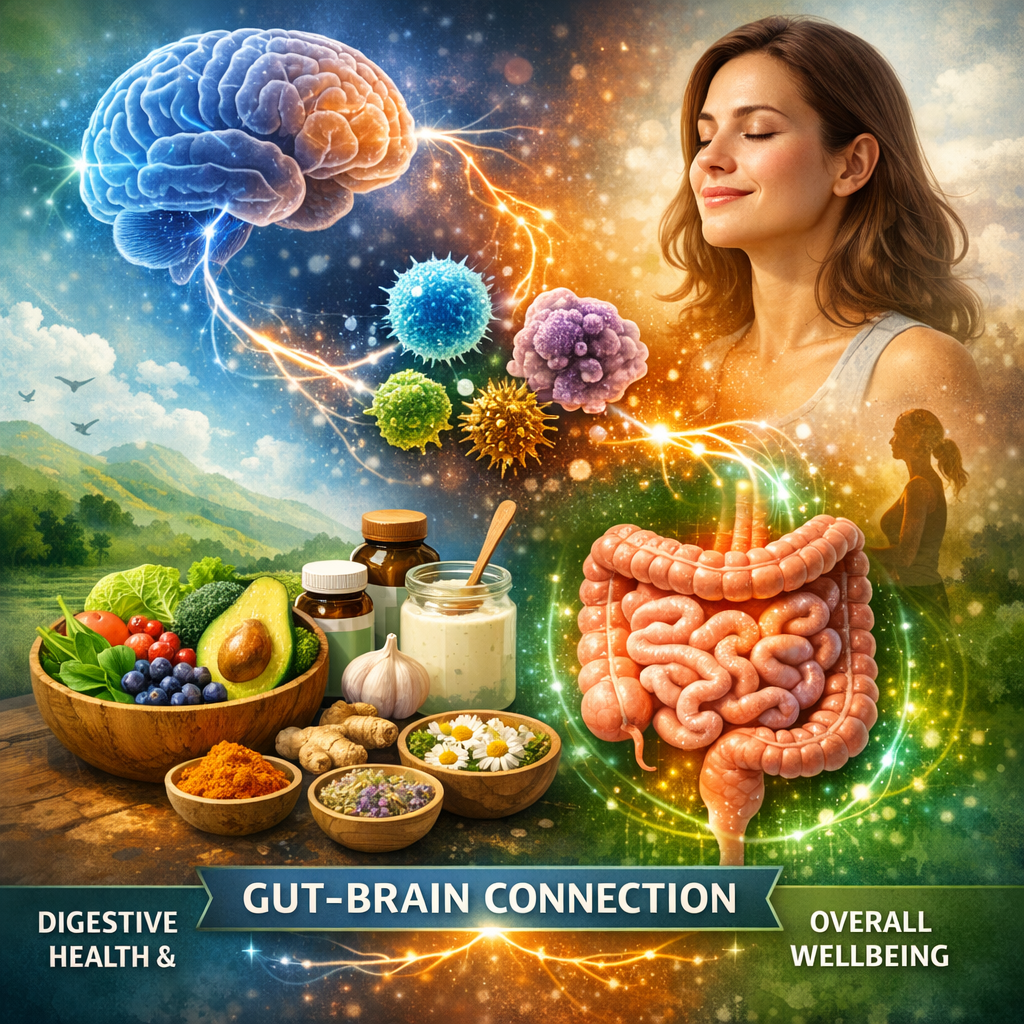
In recent years, scientific discoveries have illuminated the intricate web of communication between the gut and brain, known as the gut-brain axis. This bidirectional communication system is not just a vital part of our bodily functions but is also central to our overall health, particularly regarding chronic digestive disorders. The gut and brain communicate through a complex network involving neurotransmitters, hormones, and immune system signals, highlighting that gut health and mental health are more interconnected than previously understood. This neuro-immune interaction plays a critical role in maintaining gut health and offers promising avenues for revolutionizing treatments for chronic digestive disorders like irritable bowel syndrome (IBS) and inflammatory bowel disease (IBD).
Chronic digestive disorders have long been a source of discomfort and frustration for sufferers, often leading to a diminished quality of life. Traditional treatments for these disorders tend to focus on managing symptoms rather than addressing underlying causes. However, understanding the neuro-immune connection opens doors to alternative, more natural treatments that more effectively address these root causes. This approach recognizes the gut as not only part of the digestive system but also a key player in the body’s immune and nervous systems. Supporting a healthy neuro-immune connection can therefore provide significant benefits not only to gut health but also to overall wellbeing.
Emerging evidence suggests that this gut-brain communication involves microbial crosstalk, where the vast community of microbes in the gut interacts with the brain directly and indirectly, influencing our physical and mental health. Nutritional choices, stress levels, and even mental states like anxiety and depression can significantly affect these microbial populations, further impacting the gut-brain axis’s balance. Thus, harnessing herbs, dietary changes, and lifestyle adjustments that bolster gut health, while soothing the nervous system, can lead to more effective management of chronic digestive illnesses.
Features
A growing pool of scientific studies underlines the importance of the gut-brain connection and its implications for treating chronic digestive disorders. For instance, a 2019 study published in the journal [Nature Microbiology](https://www.nature.com/articles/s41564-018-0297-3) showed how gut microbiota could influence the central nervous system and brain function through various metabolites like short-chain fatty acids (SCFAs), which play a role in the communication between the gut and brain. This indicates that altering gut microbiota composition through diet or natural substances can potentially influence brain health and, consequently, gut health.
Furthermore, researchers at [Johns Hopkins University](https://www.hopkinsmedicine.org/news/stories/vagus-nerve.html) have been at the forefront of studies exploring the role of the vagus nerve—a key conduit in the gut-brain communication pathway—in regulating inflammatory responses and maintaining digestive health. Their work demonstrates how vagus nerve stimulation can potentially reduce inflammation within the gut, highlighting the nerve’s role in maintaining a healthy neuro-immune balance. This knowledge can lead to non-pharmaceutical interventions, such as vagus nerve exercises or acupuncture, as potential treatments for alleviating symptoms of chronic gut disorders.
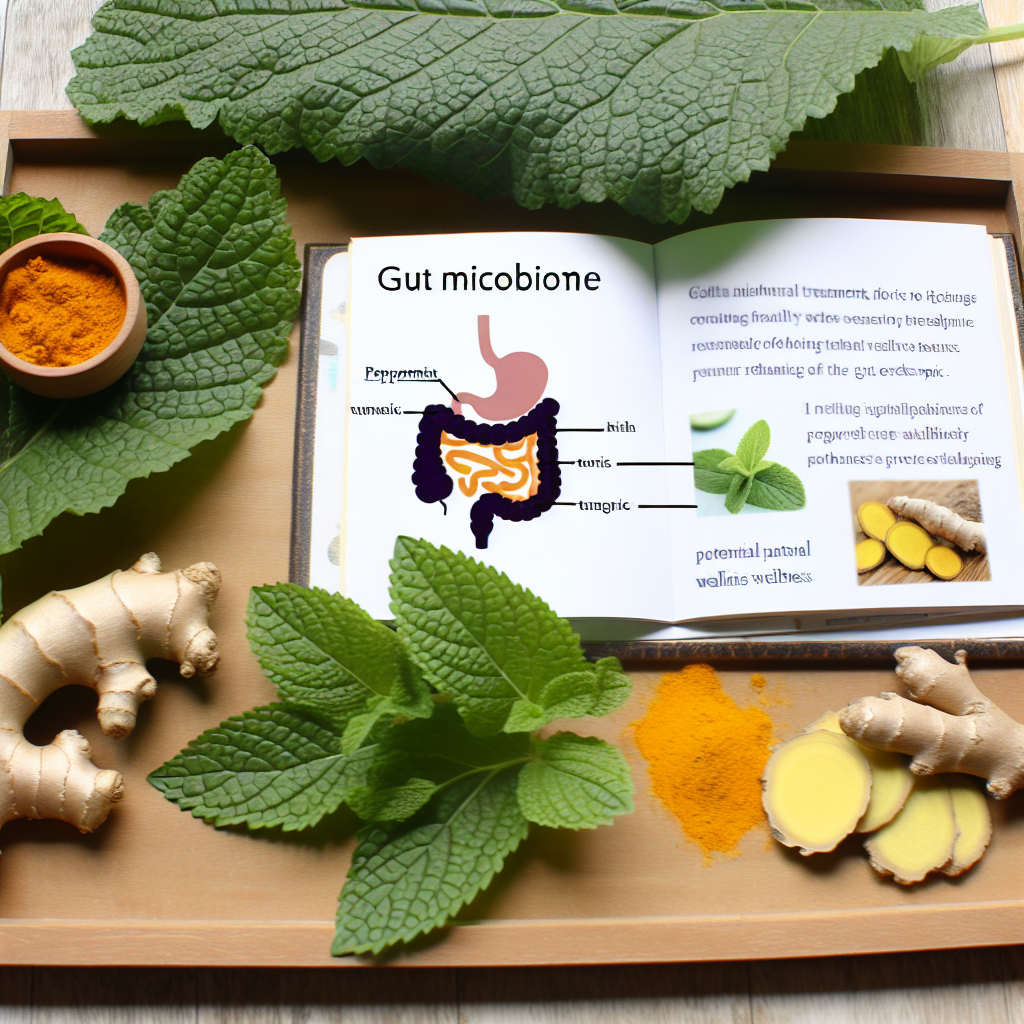
Herbal medicine also offers promising results in supporting the gut-brain axis. Herbs like peppermint, renowned for their soothing effects on the digestive tract, have been shown to improve symptoms of IBS, potentially owing to their ability to modulate gut microbiota ([source](https://journals.lww.com/jcge/fulltext/2018/01000/Systematic_Review_and_Meta_Analysis__Efficacy_and.3.aspx)). Additionally, adaptogens like Ashwagandha and Rhodiola are noted for their stress-reducing properties, which may, in turn, ease digestive issues by reducing the adverse effects of stress on the gut-brain axis.
In another fascinating study, [probiotics](https://www.frontiersin.org/articles/10.3389/fpsyt.2019.00004/full), particularly strains like Lactobacillus and Bifidobacterium, have been explored for their potential to maintain a healthy balance of gut flora, which in turn supports the neuro-immune interaction crucial to both gut health and mental clarity. These findings suggest that probiotic supplements or probiotic-rich foods like yogurt and kefir can support therapies aimed at restoring balance within the gut-brain axis.
Conclusion
Understanding the neuro-immune connection and its pivotal role in the gut-brain axis is reshaping our approach to treating chronic digestive disorders. By leveraging this knowledge, a combination of herbal remedies, diet enhancements, probiotics, and lifestyle adjustments provides a holistic approach to improving digestive health. This not only addresses symptoms more effectively but also promotes long-term health benefits, emphasizing prevention and wellness. As research continues to uncover the depths of this fascinating connection, individuals have a wealth of natural options to explore for optimizing gut health and overall wellbeing.
References
1. [Nature Microbiology: Gut Microbiota and Brain Function](https://www.nature.com/articles/s41564-018-0297-3)
2. [Johns Hopkins Medicine: Vagus Nerve and Gut Health](https://www.hopkinsmedicine.org/news/stories/vagus-nerve.html)
3. [Journal of Clinical Gastroenterology: Peppermint Oil for IBS](https://journals.lww.com/jcge/fulltext/2018/01000/Systematic_Review_and_Meta_Analysis__Efficacy_and.3.aspx)
4. [Frontiers in Psychiatry: Probiotics for Gut-Brain Axis](https://www.frontiersin.org/articles/10.3389/fpsyt.2019.00004/full)
Concise Summary
The neuro-immune connection between the gut and brain plays a pivotal role in managing chronic digestive disorders like IBS and IBD. This connection involves the gut-brain axis comprising neurotransmitters, hormones, and immune signals. Focusing on gut microbiota and utilizing natural interventions like probiotics, herbs, and vagus nerve stimulation can revolutionize treatments, addressing root causes instead of just symptoms. By adopting this holistic approach, integrating diet, lifestyle changes, and evidence-based therapies, individuals can improve digestive health, thereby enhancing overall wellness.