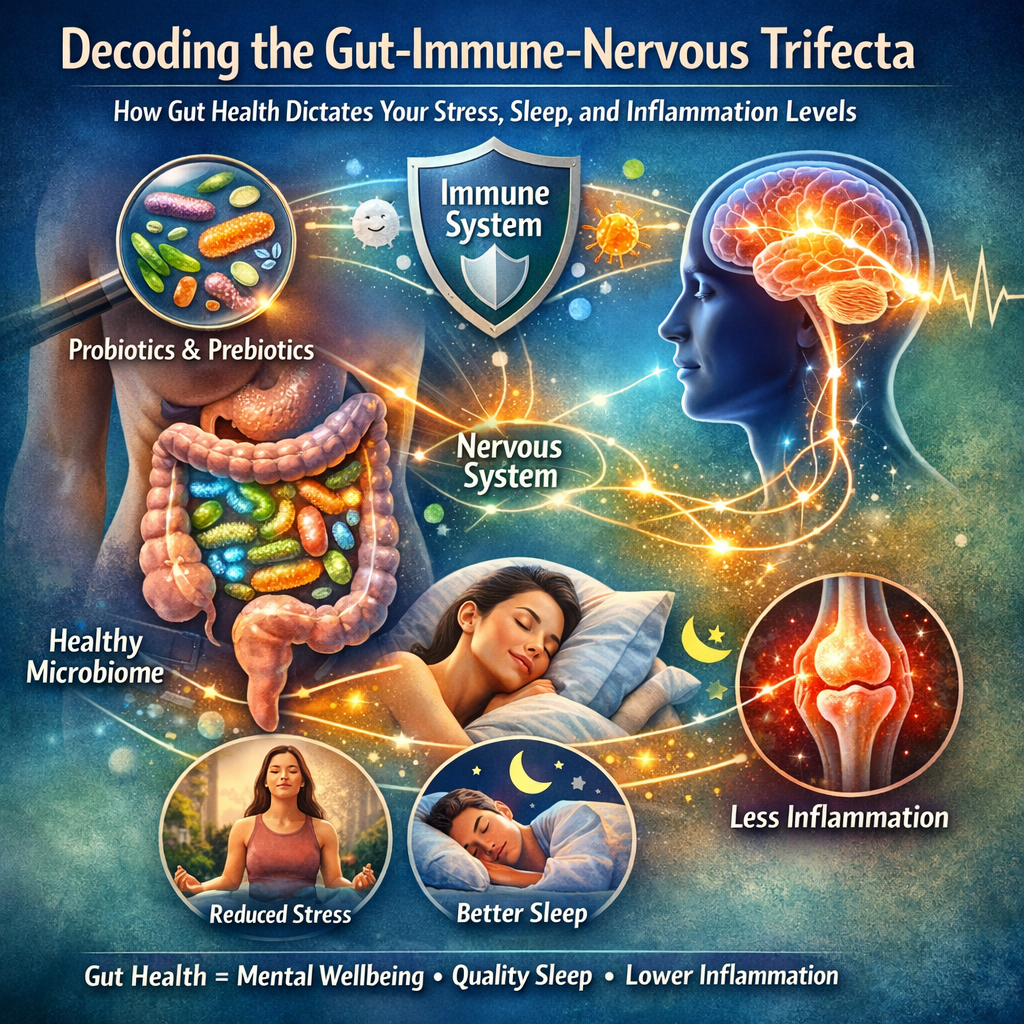
Decoding the Gut-Immune-Nervous Trifecta: How Gut Health Dictates Your Stress, Sleep, and Inflammation Levels
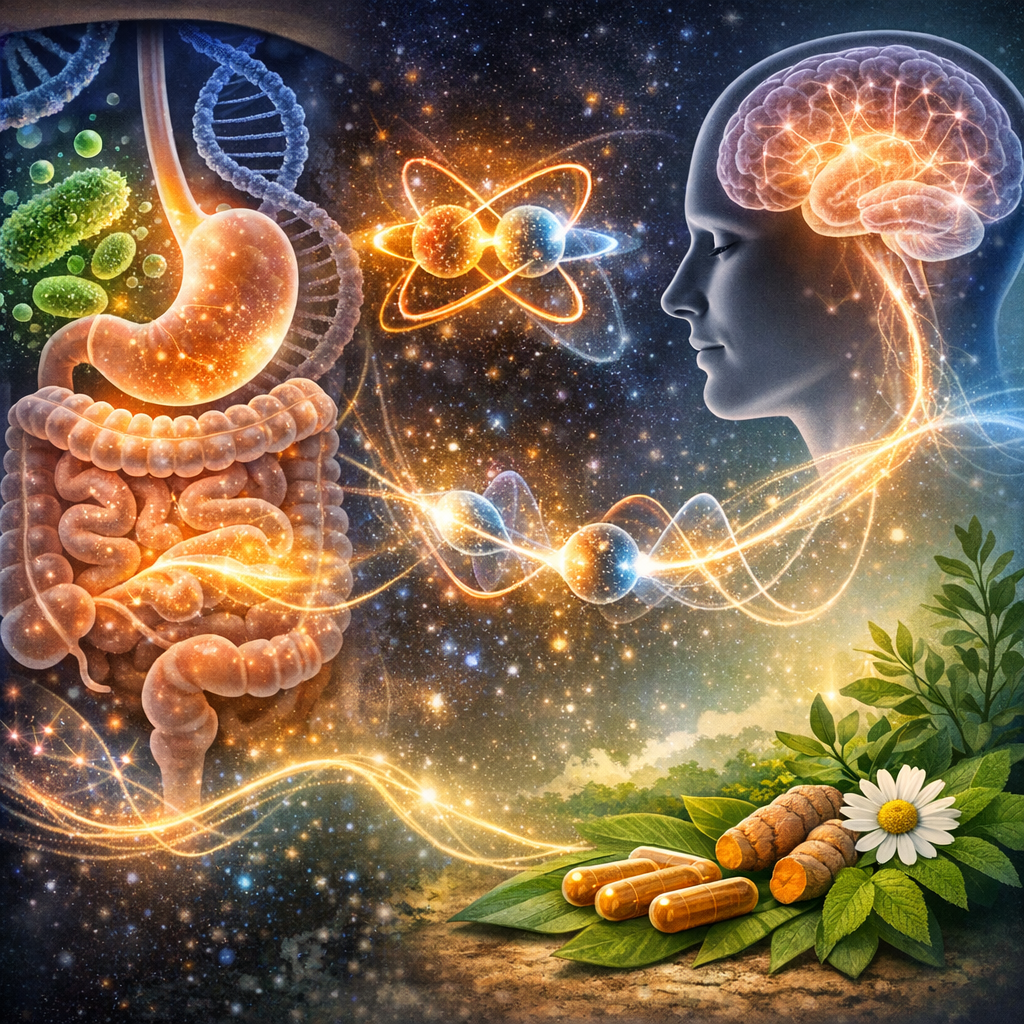
The intricate relationship between the gut, immune, and nervous systems is a fascinating topic that has gained traction in recent years. Popularly known as the gut-immune-nervous trifecta, this interconnection signifies how integral gut health is to overall well-being, particularly in regulating stress, sleep, and inflammation levels. Historically, the gut was primarily recognized for its role in digestion. However, modern science unveils its critical function in broader health aspects, offering natural cures and herbal treatments that contribute to improved gut health.
The gut contains trillions of microorganisms, known collectively as the microbiome, playing a crucial role in maintaining homeostasis. These microorganisms are not only pivotal for digestion, but they also influence the immune and nervous systems. Emerging research highlights how an imbalance in gut flora, known as dysbiosis, can lead to increased stress, disturbed sleep patterns, and heightened inflammation.
Stress, one of the byproducts of modern living, is intimately connected to gut health. The bi-directional communication between the gut and brain, often referred to as the gut-brain axis, helps in stress modulation. Neurotransmitters like serotonin, a large portion of which is produced in the gut, are instrumental in mood regulation. An imbalance in gut bacteria can hinder serotonin production, elevating anxiety and stress levels.
Sleep, another cornerstone of health, is similarly influenced by the microbiome. Substances produced by the gut, such as gamma-aminobutyric acid (GABA), have profound effects on sleep quality. Alterations in the gut ecosystem can disrupt the production of these sleep-inducing compounds, resulting in poor sleep quality and heightened fatigue. Supplementing with prebiotics and probiotics can help restore balance.
Inflammation serves as the body’s natural response to injury and infection. However, chronic inflammation can lead to various diseases and is exacerbated by an unhealthy gut. The gut microbiome plays a fundamental role in generating anti-inflammatory metabolites. A healthy balance of gut bacteria reduces inflammation through intricate mechanisms, including the fermentation of dietary fibers into short-chain fatty acids.
Research-Based Insights into the Gut-Immune-Nervous Trifecta
Understanding the gut-immune-nervous trifecta involves delving into a plethora of medical studies and research. One pivotal study published in the journal Neurotherapeutics highlights the association between gut health and mental health, revealing how probiotics can reduce symptoms of anxiety and stress. This underscores the importance of maintaining healthy gut flora for stress management.
Further research in the field of psychobiotics, which are probiotics with a psychological benefit, demonstrates that specific strains can alleviate symptoms of depression and anxiety by modulating the gut-brain axis. Lactobacillus and Bifidobacterium strains, in particular, have shown promise in improving mental health by enhancing serotonin pathways, a neurotransmitter linked with happiness and well-being.
In terms of sleep, a study published in Frontiers in Psychology observed the effects of prebiotics on sleep-wake cycles. The study found that supplementation with prebiotics, which are non-digestible fibers that act as food for beneficial gut bacteria, improved both non-REM and REM sleep cycles in test subjects. This highlights the potential for dietary interventions to enhance sleep quality through gut health.
Regarding inflammation, research featured in the World Journal of Gastroenterology revealed how short-chain fatty acids (SCFAs) produced by gut flora play a role in reducing systemic inflammation. SCFAs such as butyrate exhibit anti-inflammatory properties by modulating the immune response and maintaining intestinal barrier integrity, thereby preventing harmful pathogens from triggering chronic inflammation.
Conclusion
The intricate connections between the gut, immune, and nervous systems illustrate the profound impact gut health has on overall well-being. Addressing gut health through natural cures and herbal treatments presents a promising avenue for managing stress, improving sleep, and reducing inflammation. As research in this field continues to evolve, the potential for gut-targeted interventions will only grow, reinforcing the need to prioritize gut health in our daily lives. Embracing a balanced diet, rich in probiotics, prebiotics, and fiber, alongside mindful lifestyle practices, can pave the way for a healthier gut and, consequently, a healthier you.
Concise Summary:
The gut-immune-nervous trifecta demonstrates the profound impact of gut health on stress, sleep, and inflammation. Emerging research reveals the microbiome’s influence on these aspects of well-being, stressing the importance of maintaining a balanced gut. Modern findings suggest that probiotics and prebiotics can effectively manage stress, enhance sleep quality, and reduce inflammation through biological pathways like the gut-brain axis and short-chain fatty acid production. Prioritizing gut health with a balanced diet and mindful lifestyle practices can lead to improved overall health and well-being.