Unlocking the Gut-Liver Connection: Revolutionary Impacts on Chronic Digestive Health
Introduction
The intricate dance between the gut and liver is an exciting field within the realm of digestive health. This bond plays a crucial role in maintaining the harmony and overall well-being of our internal systems. Recent research has unveiled an astonishingly intricate communication network, emphasizing the gut-liver axis’s potential in transforming how we understand and treat chronic digestive disorders.
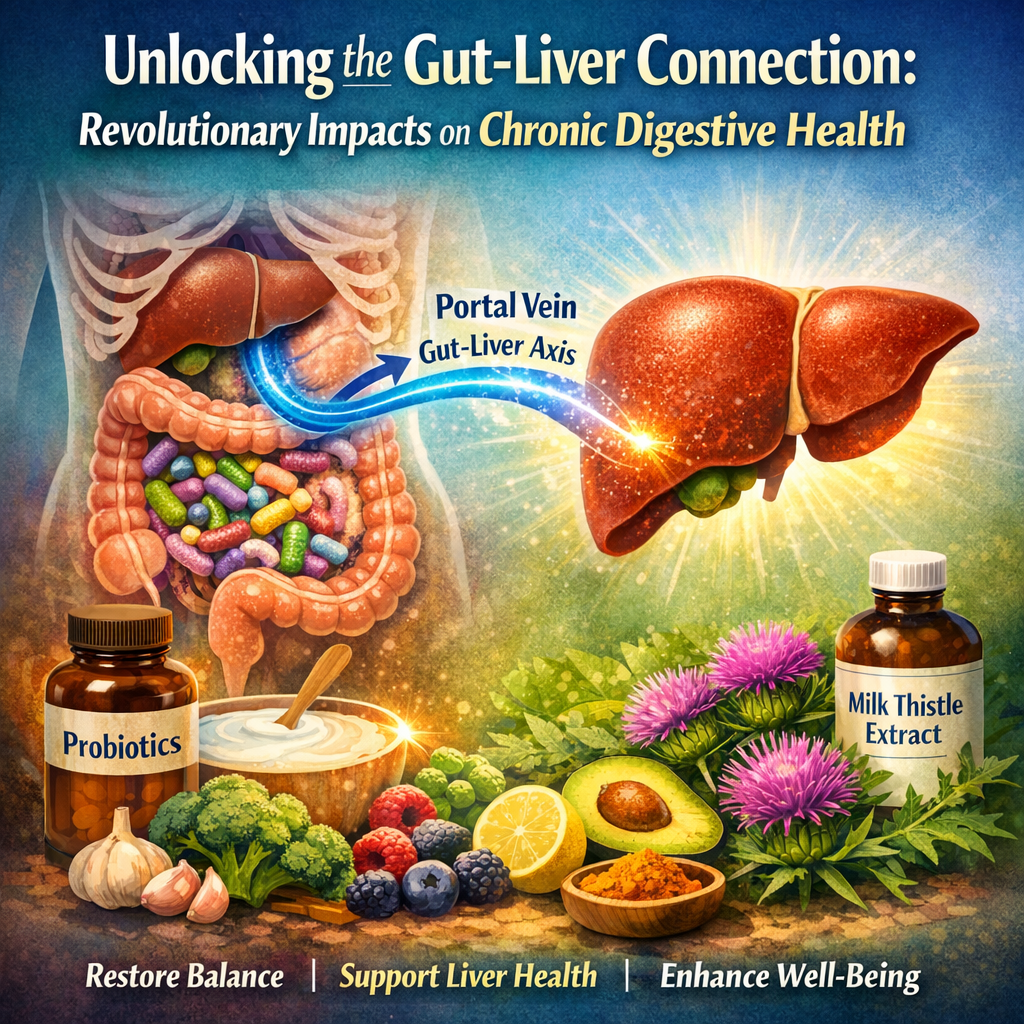
At the center of this relationship is the portal vein—a busy highway linking the gastrointestinal tract to the liver. It transports nutrients, metabolites, and microbial products, essentially delivering a plethora of information to the liver for processing. Many people may not realize how this interaction can help or harm their health, particularly if their diet and lifestyle are not supportive of gut health.
An imbalanced gut microbiota can trigger a cascade of negative effects, influencing metabolic processes, immune function, and hepatic (liver) health. Factors such as a fiber-deficient diet, overuse of antibiotics, chronic stress, and excessive consumption of alcohol or processed foods can disturb this delicate ecosystem. The result can be an overgrowth of harmful bacteria and potentially chronic liver conditions, such as non-alcoholic fatty liver disease (NAFLD).
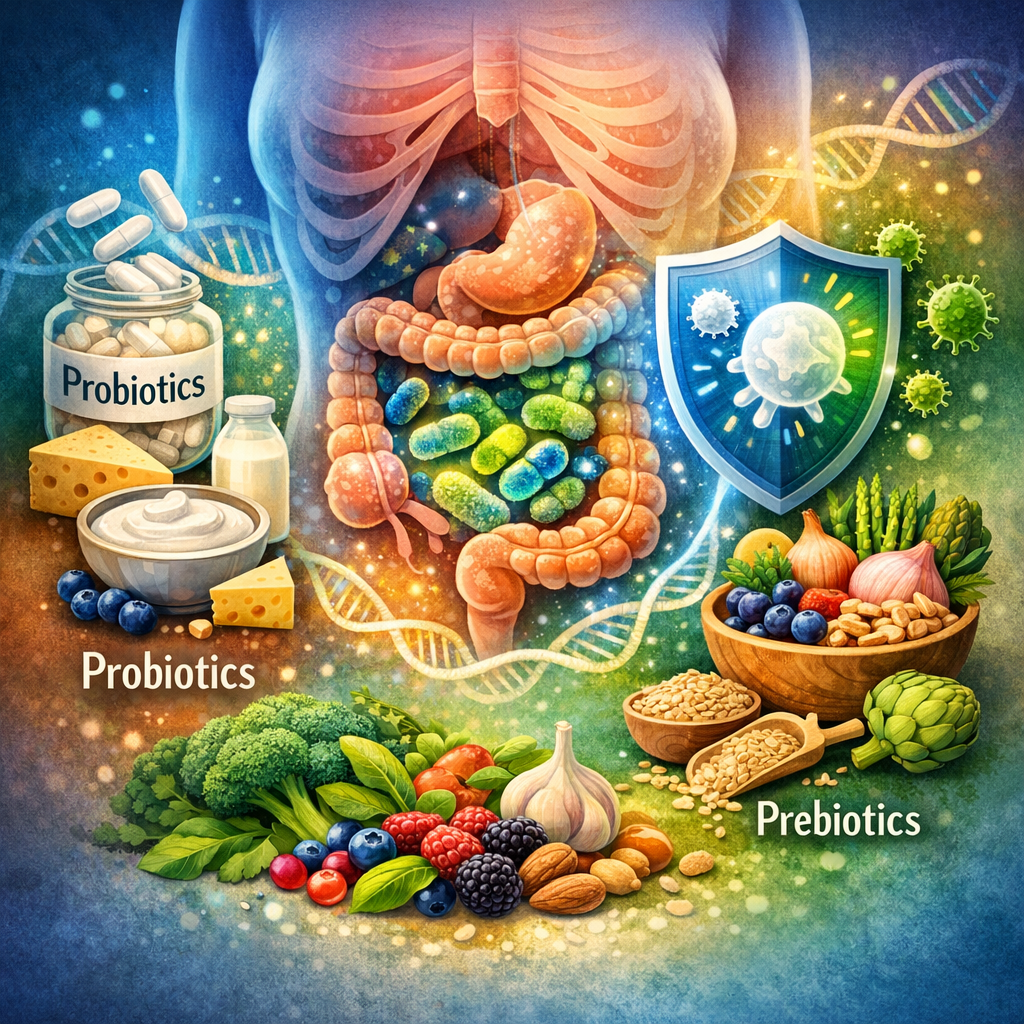
Awareness and understanding of the gut-liver axis have ushered in a renaissance of natural cures and herbal treatments. Botanicals like milk thistle, known for its liver-protective properties, work alongside probiotics that contribute to gut biodiversity, orchestrating a health-boosting symphony within our bodies.
The connection between gut health and liver function is revolutionizing approaches to managing chronic digestive health issues, steering towards more holistic, integrative methods that address dietary and lifestyle imbalances. Through groundbreaking research and time-tested herbal therapies, individuals have the tools to support their gut and liver.
Features
Emerging scientific studies have spotlighted the gut-liver axis as pivotal in maintaining digestive health and potentially mitigating chronic conditions. One such notable research, published in the journal [*Nature Reviews Gastroenterology & Hepatology*](https://www.nature.com/nrgastro/), explores the axis’s role in immune regulation and inflammatory responses. It reveals how dysbiosis, or the imbalance of gut microbiota, contributes to increased intestinal permeability—often referred to as leaky gut—leading to systemic inflammation impacting liver health.
A study by [*Hepatology*](https://aasldpubs.onlinelibrary.wiley.com/) underscores the beneficial effects of prebiotics and probiotics on liver function. These substances, by modulating gut microbiota composition, can decrease inflammation and oxidative stress in the liver. Researchers found that probiotics like Lactobacillus and Bifidobacterium protect the gut barrier, reduce liver fat accumulation, and improve overall liver function markers.
Herbal medicine offers promising possibilities, with milk thistle stealing the spotlight for its hepatoprotective qualities. A meta-analysis published in the [*Journal of Clinical Gastroenterology*](https://journals.lww.com/jcge/) discusses its active compound, silymarin, showing significant potential in mitigating liver damage, particularly through its antioxidant, anti-inflammatory, and antifibrotic activities.
Additionally, traditional herbs like turmeric, rich in curcumin, are highlighted in studies for their capacity to suppress inflammatory pathways and support liver detoxification processes. The [World Journal of Gastroenterology](https://www.wjgnet.com/) details turmeric’s potential in treating gastrointestinal disorders and enhancing gut-liver health.
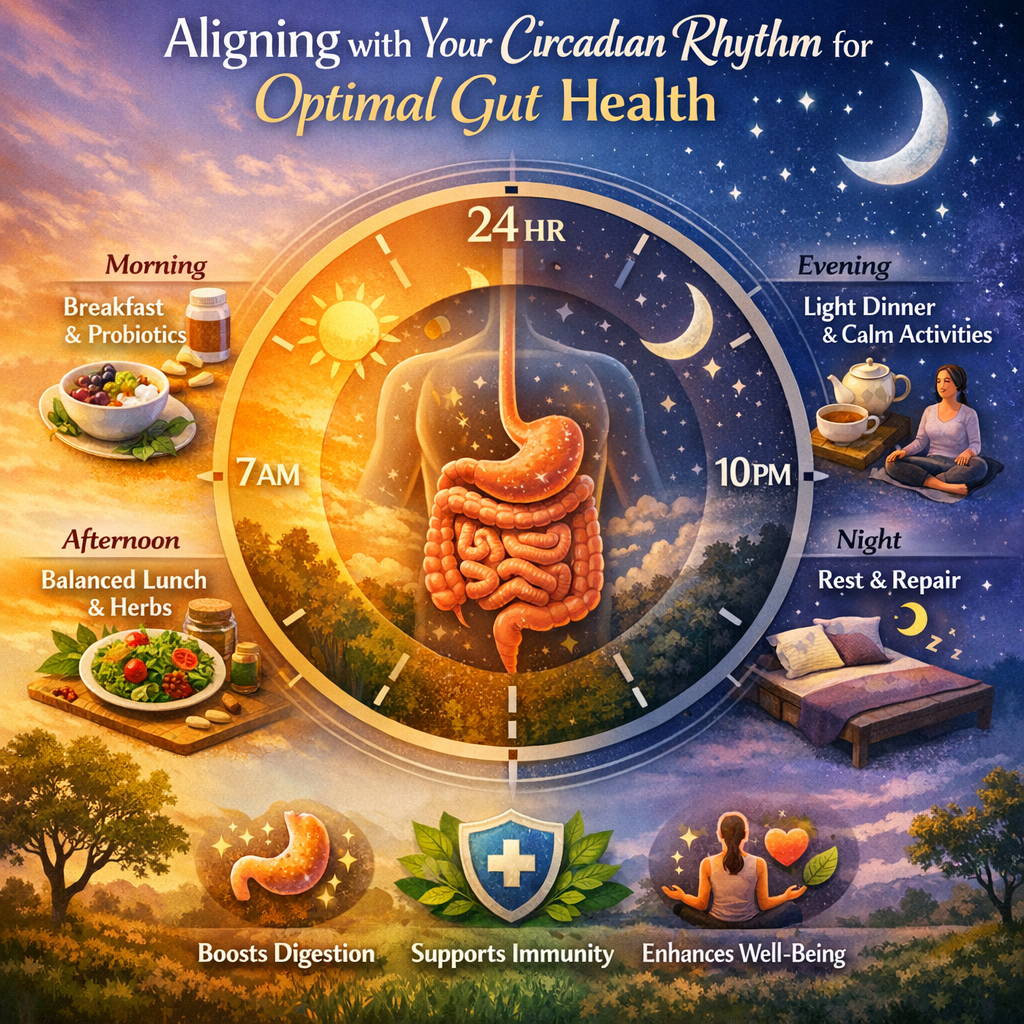
This wealth of research underscores the value of adopting integrative approaches. By combining dietary changes, such as increased fiber intake and fermented foods, with herbal treatments, individuals can optimize the gut-liver axis, enhancing their digestive health with natural, non-invasive methods.
Conclusion
The gut-liver connection unveils a novel understanding of how intertwined our body systems truly are—a harmonious relationship where nurturing one component significantly benefits the other. Unlocking this connection holds revolutionary potential for those struggling with chronic digestive disorders, offering a route towards recovery that extends beyond conventional medicine. By embracing natural cures and herbal treatments, individuals can recalibrate their gut health, supporting their liver, and fortifying their entire digestive system. As research continues to illuminate this pivotal axis, the potential for transformative health interventions grows, ushering in a new era of integrated wellness.
Concise Summary:
The gut-liver connection is a crucial aspect of digestive health, emphasizing how the gut-liver axis can transform understanding and treatment of chronic digestive disorders. Key factors impacting this axis include diet, lifestyle, and gut microbiota balance. Recent studies highlight the benefits of probiotics, prebiotics, and herbal treatments like milk thistle and turmeric in optimizing liver function and overall health. Embracing natural and integrative approaches offers promising pathways for managing chronic digestive health issues, highlighting a shift towards comprehensive well-being and preventive health strategies.