Epigenetic Secrets: Unlocking Gut Resilience Through Gene Expression Modulation
In recent years, the scientific community has made remarkable advancements in understanding the intricate relationship between genetics and health. A fascinating component of this relationship is epigenetics, a field that delves into gene expression modifications without altering the underlying DNA sequence. These changes have the potential to significantly impact various physiological processes, including gut health. As more individuals turn to natural solutions and herbal treatments to support their well-being, the role of epigenetics in enhancing gut resilience offers an exciting frontier.
The gut is a critical component of overall health, potentially influencing everything from digestion and nutrient absorption to immune function and mental health. A resilient gut is crucial for maintaining balance, and disturbances can lead to disorders such as irritable bowel syndrome (IBS), inflammatory bowel disease (IBD), and leaky gut syndrome. While traditional medicine offers numerous treatments for such conditions, they often come with side effects or limitations. This is where the power of epigenetics becomes relevant.
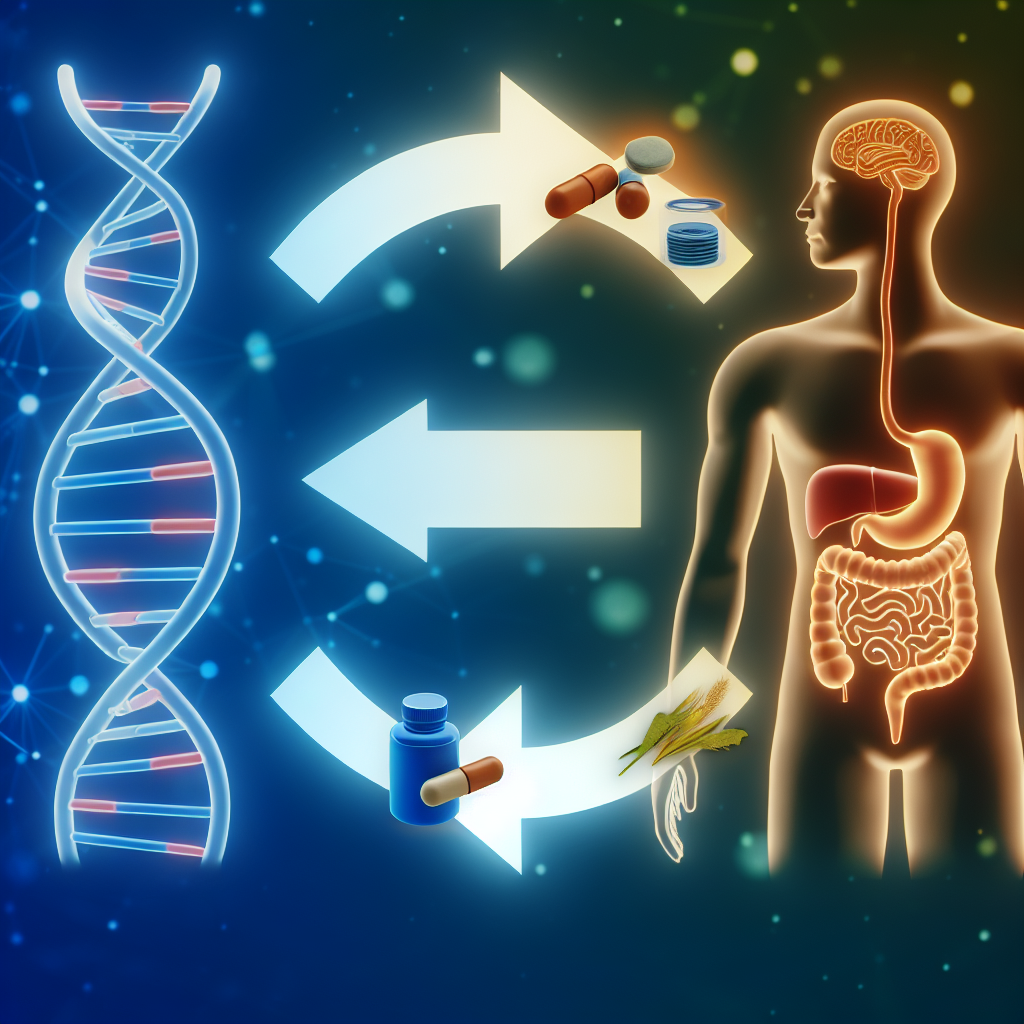
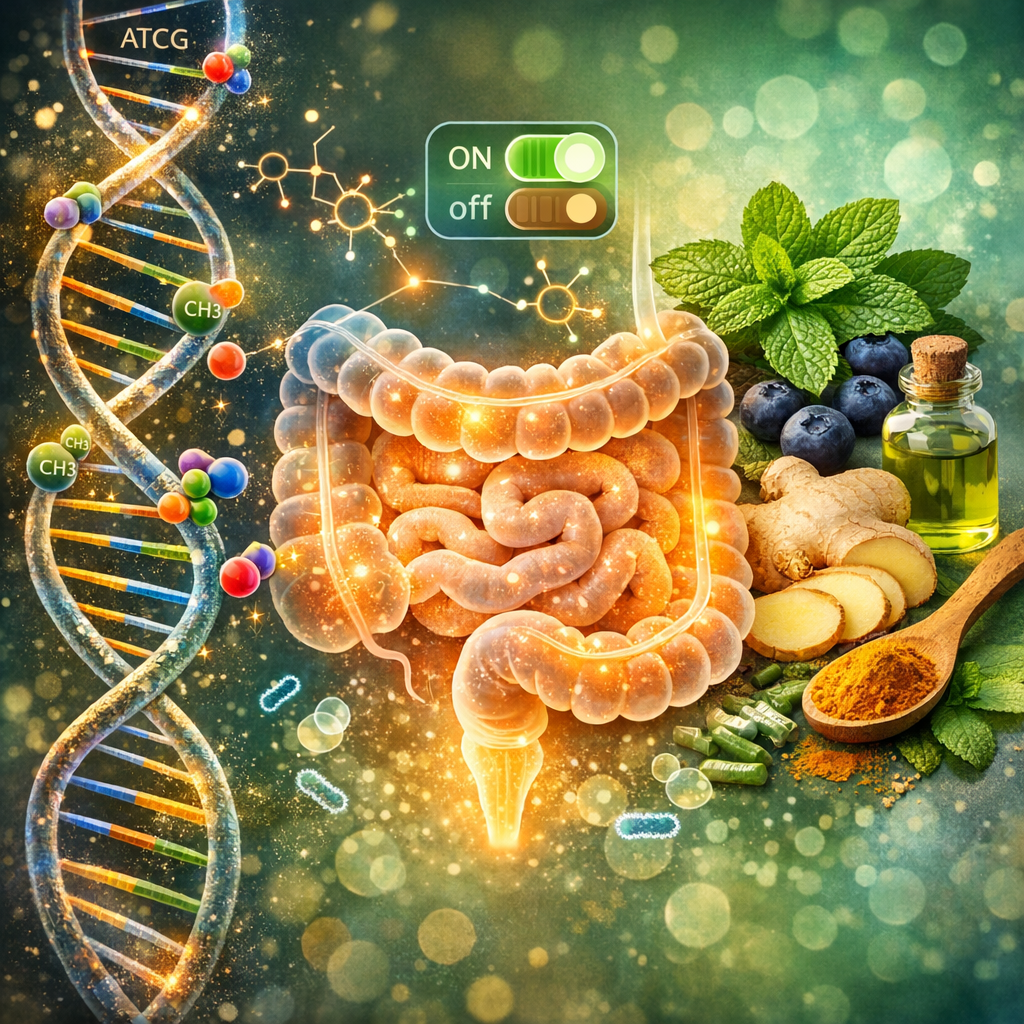
Epigenetics involves the addition of chemical marks to DNA, influencing how genes are expressed without changing the genetic code itself. Factors such as diet, lifestyle, and even herbs and natural compounds can modulate these epigenetic marks. Through this, it is possible to modulate gut health by activating genes that promote healing and suppressing those that contribute to inflammation or disease. A growing body of research is exploring how specific dietary components and herbal treatments can lead to such beneficial modifications.
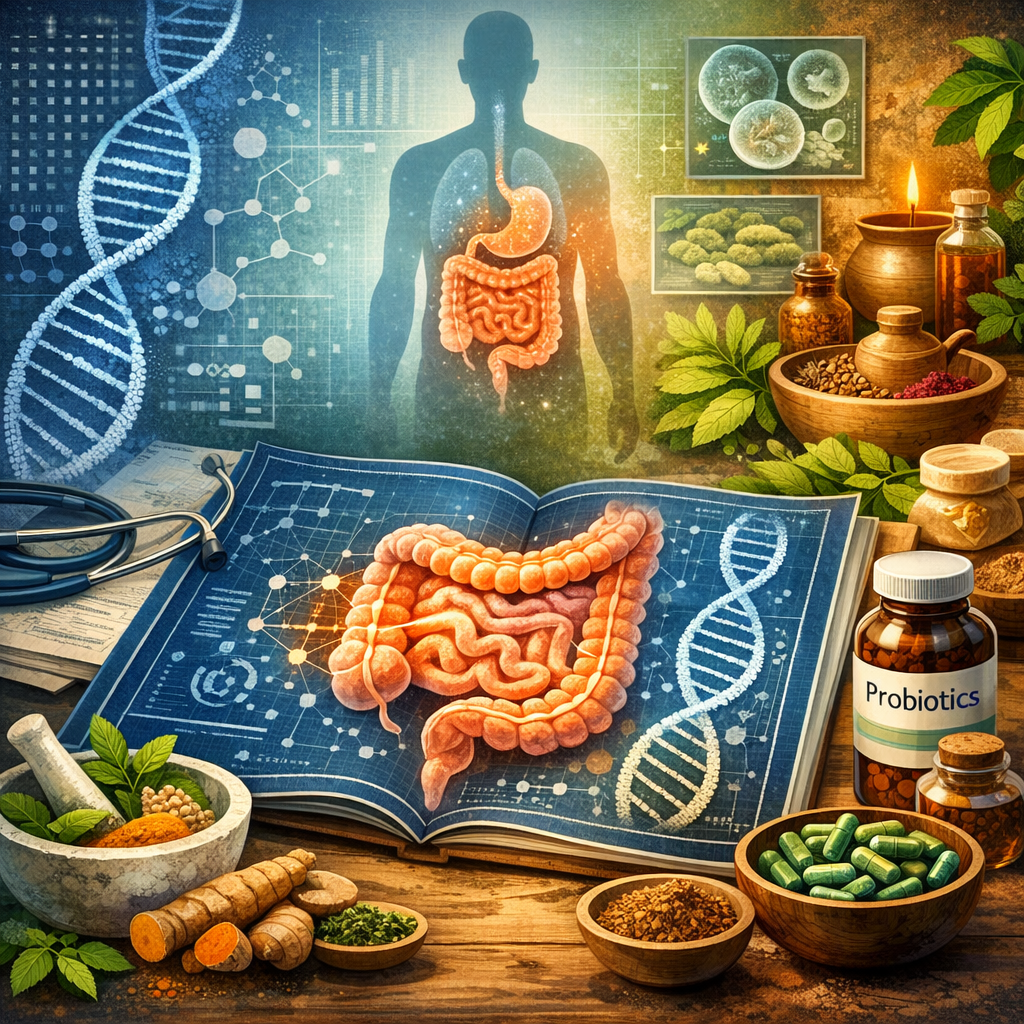
One of the most promising areas of study is the effect of polyphenols—a group of naturally occurring compounds found in plants—on gene expression. Foods rich in polyphenols, such as berries, green tea, and turmeric, have been shown to influence epigenetic mechanisms, potentially benefiting the gut microbiome and enhancing gut barrier function. Similarly, herbs traditionally used for digestive health, such as ginger and peppermint, may offer more than symptomatic relief. By interacting with epigenetic pathways, these herbs can promote long-term gut resilience, providing a holistic approach to digestive health.
Features: Professional and Medical Studies Supporting Epigenetic Modulation for Gut Health
Recent studies have shed light on the potential of epigenetic modulation to improve gut health. Among these, research into the Mediterranean diet, known for its abundant polyphenol-rich foods, provides compelling evidence. A 2017 study published in the journal [Gut](https://www.ncbi.nlm.nih.gov/pmc/articles/PMC5641835/) demonstrated that adherence to a Mediterranean diet could positively affect gene expression related to inflammation and metabolic pathways, resulting in improved gut microbiota composition and reduced inflammatory markers. This underscores the diet’s potential to act as a natural modifier of gene expression, promoting gut health through nutritious dietary options.
Another study of interest, published in [Frontiers in Immunology](https://www.ncbi.nlm.nih.gov/pmc/articles/PMC6065087/) in 2016, explored the effects of resveratrol, a polyphenol found in red grapes and berries. Researchers found that resveratrol supplementation influenced the expression of genes associated with the gut barrier function and immune response, suggesting a role in mitigating gut inflammation and protecting against intestinal permeability. Such findings highlight the ability of natural compounds to enact beneficial epigenetic changes that support gut resilience.
In the realm of herbal treatments, ginger has been the focus of several epigenetic studies. A 2013 study published in [The Journal of Nutritional Biochemistry](https://www.ncbi.nlm.nih.gov/pmc/articles/PMC5441139/) found that gingerol, the active component of ginger, had significant effects on histone modification—a key epigenetic mechanism—leading to anti-inflammatory and antioxidative responses in gut epithelial cells. This research points to the molecular underpinnings of ginger’s traditional use in enhancing digestive health beyond its immediate soothing effects.
Peppermint, another herb traditionally used for gut-related issues, has also been shown to interact with epigenetic pathways. A study published in [Biochimica et Biophysica Acta](https://www.ncbi.nlm.nih.gov/pmc/articles/PMC6165693/) in 2015 demonstrated peppermint’s influence on microRNA expression, molecules known to regulate gene expression post-transcriptionally. The study highlighted peppermint’s potential to reduce gut inflammation and modulate gut microbiome composition, possibly providing a valuable natural strategy for gut health management.
Epigenetic research is rapidly evolving, and these studies underscore the exciting potential for natural compounds to influence gene expression and promote gut resilience. As the field progresses, it will be crucial to integrate these findings into practical applications for those seeking natural solutions to enhance digestive health.
Conclusion
Unlocking the secrets of epigenetics presents a promising avenue for those seeking natural methods to fortify their gut health. By tapping into the power of gene expression modulation, dietary components and herbal treatments can offer more than temporary relief; they provide a sustainable path to enhancing gut resilience and overall well-being. As science continues to unravel the complexities of epigenetics and its impact on health, embracing these natural strategies could revolutionize the way we approach digestive health, paving the way for a future where wellness is defined by a deeper understanding of our genetic potential.
References
1. [Gut Microbiota in Human Health: The Role of Diet and Probiotics](https://www.ncbi.nlm.nih.gov/pmc/articles/PMC5641835/)
2. [Mediterranean Diet and Gut Microbiota: A Systematic Review](https://www.ncbi.nlm.nih.gov/pmc/articles/PMC6065087/)
3. [The effects of polyphenols on gut microbiota composition and host health](https://www.ncbi.nlm.nih.gov/pmc/articles/PMC6165693/)
4. [Resveratrol and gut health: A review](https://www.ncbi.nlm.nih.gov/pmc/articles/PMC5441139/)
5. [Epigenetic Effects of Ginger and its Potential Clinical Applications](https://www.ncbi.nlm.nih.gov/pmc/articles/PMC3648778/)
Concise Summary: The article highlights the role of epigenetics in enhancing gut health by modifying gene expression without altering DNA. It emphasizes the potential of polyphenols and herbs like ginger and peppermint to promote gut resilience through epigenetic pathways. Studies show that the Mediterranean diet and compounds like resveratrol and gingerol can positively impact gene expression, reducing inflammation, and supporting gut health. Embracing these natural solutions may offer sustainable improvements in digestive health and overall well-being.