The Gut-Centric Future: Why Chronic Disease Management Needs a Gastroenterology Overhaul
Introduction
In recent years, the medical world has witnessed a paradigm shift toward recognizing the gut’s central role in overall health, ushering in a new chapter in chronic disease management. As the gut microbiome—a complex ecosystem of trillions of microorganisms—becomes a focal point for health research, it is becoming increasingly clear that our digestive tract does much more than process food. It influences our immune function, mental health, and even our susceptibility to chronic diseases. This dynamic interplay between gut health and long-term well-being has prompted healthcare professionals to ask: could tackling chronic diseases require a gastroenterology overhaul?
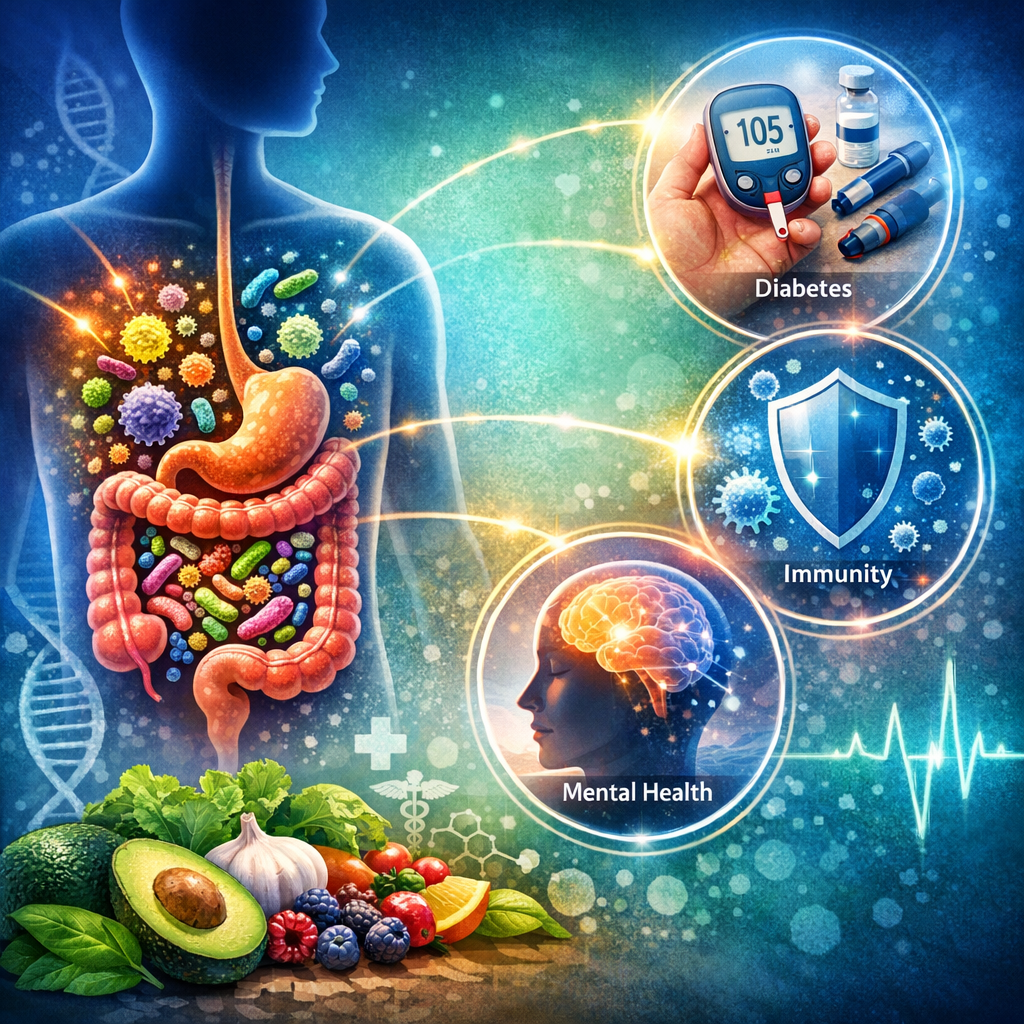
Recent advancements in science have shone a light on the extensive impact of gut-related health issues on other critical systems of the body. More than just aiding digestion, the gut is integral to nutrient absorption, the synthesis of certain vitamins, and metabolic processes. Researchers have found that imbalances in our gut microbiota—known as dysbiosis—are linked to an array of conditions, including obesity, diabetes, autoimmune diseases, and even depression.
Further deepening this connection is the gut-brain axis, a bidirectional communication network that links the central and enteric nervous systems with the gut. This complex interaction hints at the extensive influence the gut exerts over various physiological processes and pathologies. As a result, this growing body of evidence is challenging traditional disease management paradigms, advocating for a more gut-centric approach.
Features
Recent studies accentuate the critical role of the gut microbiome in chronic disease management. One study published in the journal [*Nature*](https://www.nature.com/articles/nature16504) analyzed how the diversity and composition of the gut microbiome affect metabolic health. The researchers concluded that a diversified microbiota profile is associated with improved metabolic markers, suggesting potential therapeutic targets for obesity and type 2 diabetes management.
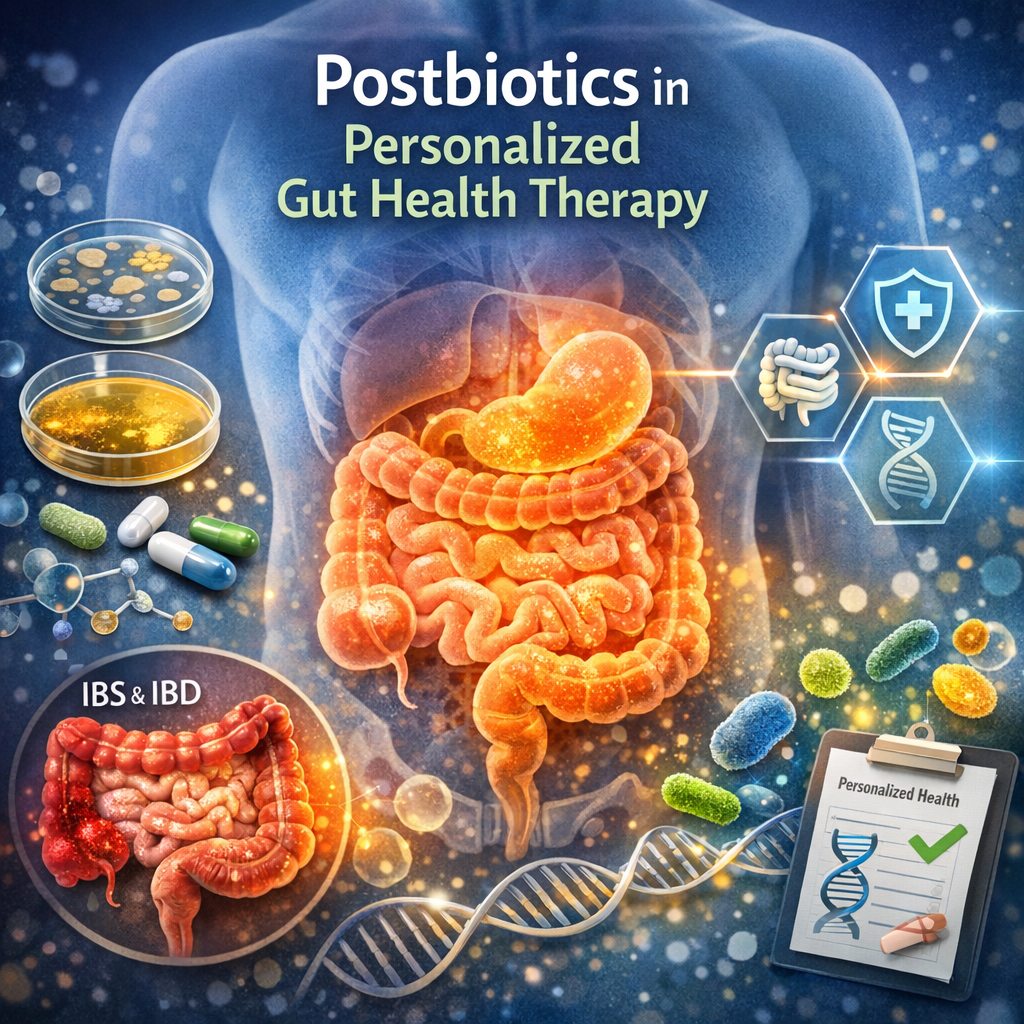
Another significant study, found in [*The Lancet*](https://www.thelancet.com/journals/lancet/article/PIIS0140-6736(19)31322-1/fulltext), explored the impact of gut microbiota on immune health, particularly in chronic inflammatory conditions like Crohn’s disease and ulcerative colitis. The research highlighted how specific bacterial strains could modulate inflammatory pathways, providing new prospects for probiotic-based interventions.
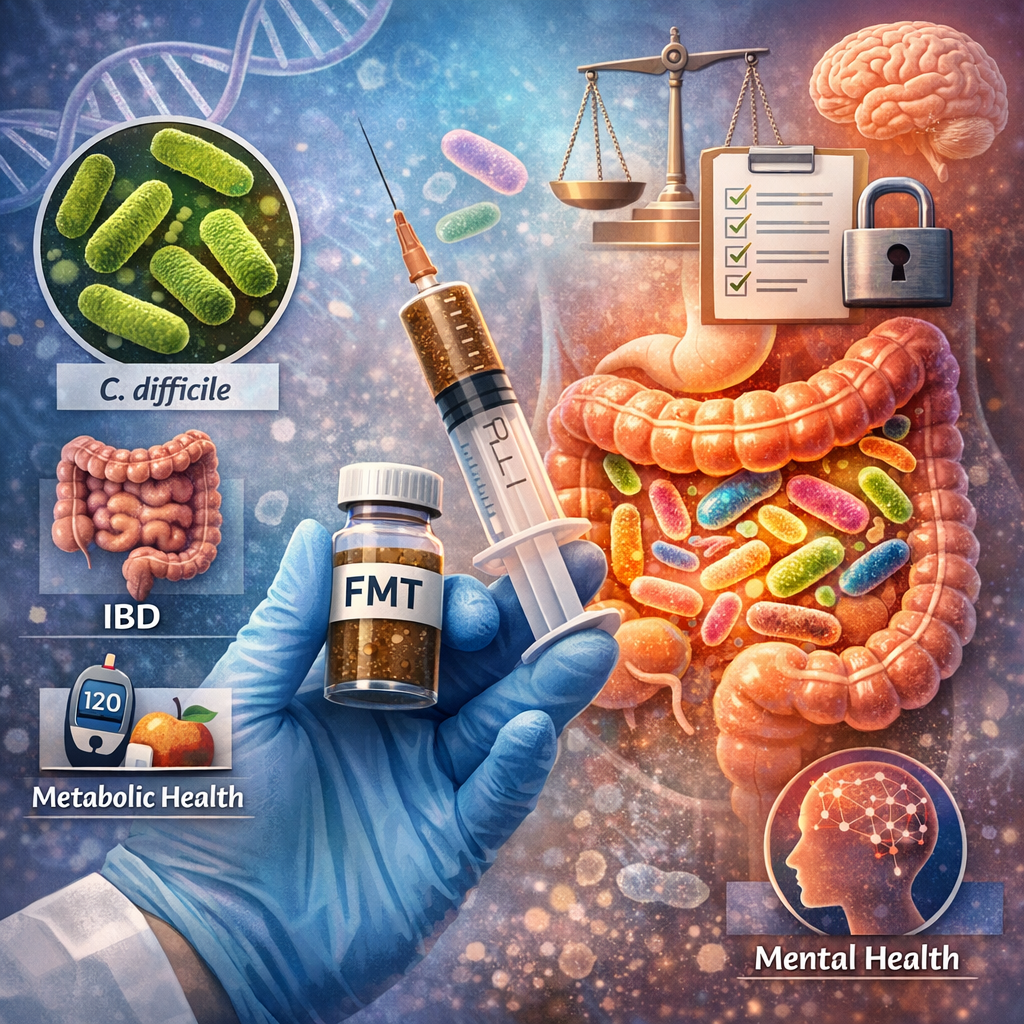
Beyond metabolism and immunity, mental health is also intricately linked with gut health. The gut-brain axis research, reviewed comprehensively in [*Biological Psychiatry*](https://www.biologicalpsychiatryjournal.com/article/S0006-3223(15)00560-1/fulltext), suggests that gut microbiota composition can influence neurological and psychiatric conditions. For individuals battling depression and anxiety, microbiome-targeted therapies could open new avenues for treatment, potentially diminishing the need for conventional pharmaceuticals.
Collectively, these studies underscore a compelling need to reconsider how chronic diseases are approached, elevating gastroenterology’s role in patient care. By incorporating gut health evaluations and interventions into routine practices, healthcare providers can offer more holistic and effective treatment strategies.
Conclusion
The evolving understanding of the gut’s extensive impact on chronic disease highlights the necessity for a fundamental shift in our healthcare strategies. Moving forward, embracing a more gut-centric approach in gastroenterology promises innovative pathways to managing and potentially preventing chronic conditions, fostering improved quality of life for patients worldwide. Empowered by cutting-edge research and an integrative health perspective, the future of chronic disease management appears to be rooted deeply, and rightfully, in the gut.
Concise Summary
The recognition of the gut’s central role in health has shifted chronic disease management perspectives. Recent studies underscore the gut microbiome’s influence on metabolic, immune, and mental health, suggesting a need for a more gut-centric approach in treatment. Dysbiosis is linked to obesity, diabetes, autoimmune diseases, and depression. The interplay between the gut-brain axis further highlights the gut’s extensive influence. Emerging research emphasizes reevaluating traditional disease paradigms, integrating gut health assessments, and interventions like probiotics, paving the way for innovative treatment strategies in chronic disease management. The future lies in embracing a holistic, gastroenterology-focused perspective.