Gut Microbiome Transplants: The Ethical and Scientific Future of Personalized Digestive Health
Introduction
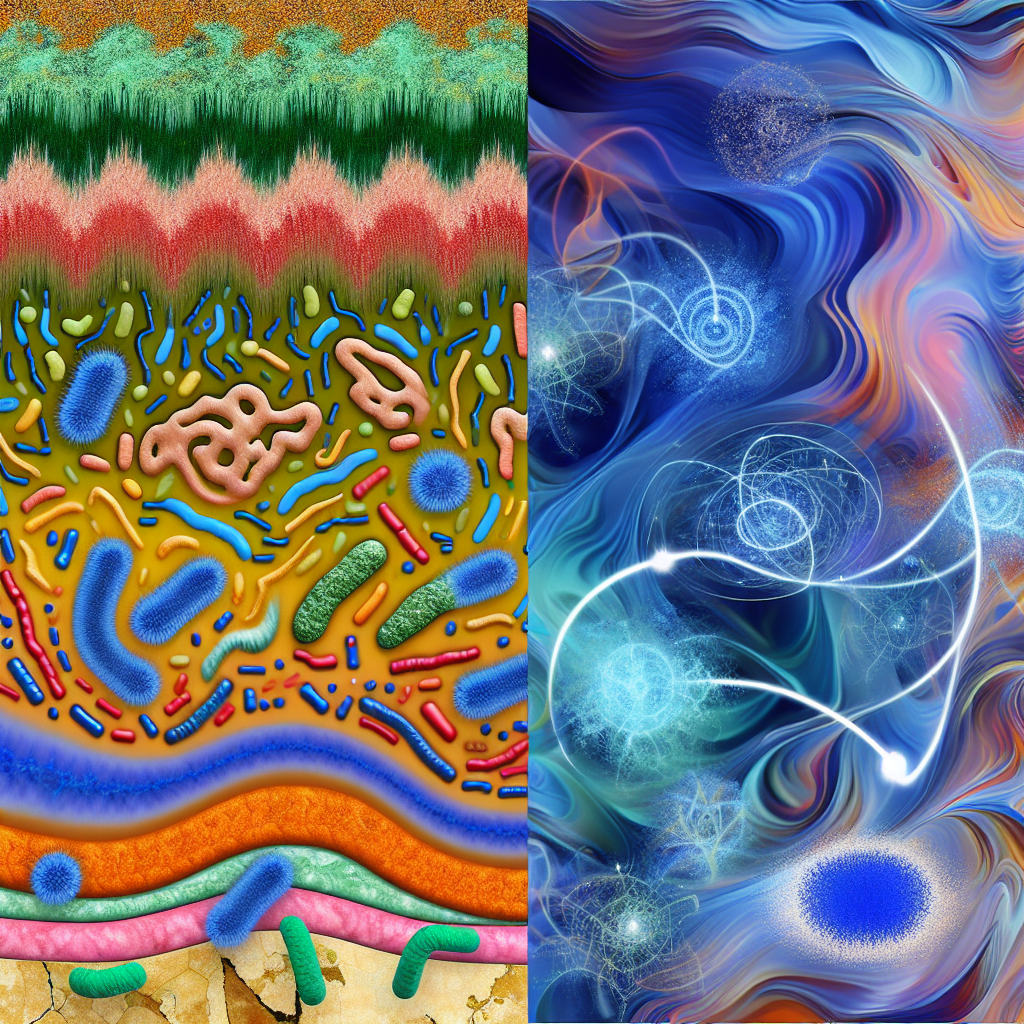
The human gut is a thriving ecosystem, home to trillions of microorganisms, collectively known as the gut microbiome. This intricate community of bacteria, viruses, and fungi plays a crucial role in maintaining various aspects of human health, including digestion, *immune function*, and even mental well-being. Recent advancements in understanding the gut microbiome have led to innovative therapeutic approaches, notably gut microbiome transplants, also known as fecal microbiota transplants (FMT).
Gut microbiome transplants involve transferring gut bacteria from a healthy donor to a recipient’s gastrointestinal tract. This procedure aims to restore a balanced microbiome in individuals suffering from dysbiosis—a condition where the gut flora is imbalanced or disrupted. Dysbiosis is linked to a variety of diseases, including inflammatory bowel disease (IBD), irritable bowel syndrome (IBS), obesity, and even mental health disorders like depression and anxiety.
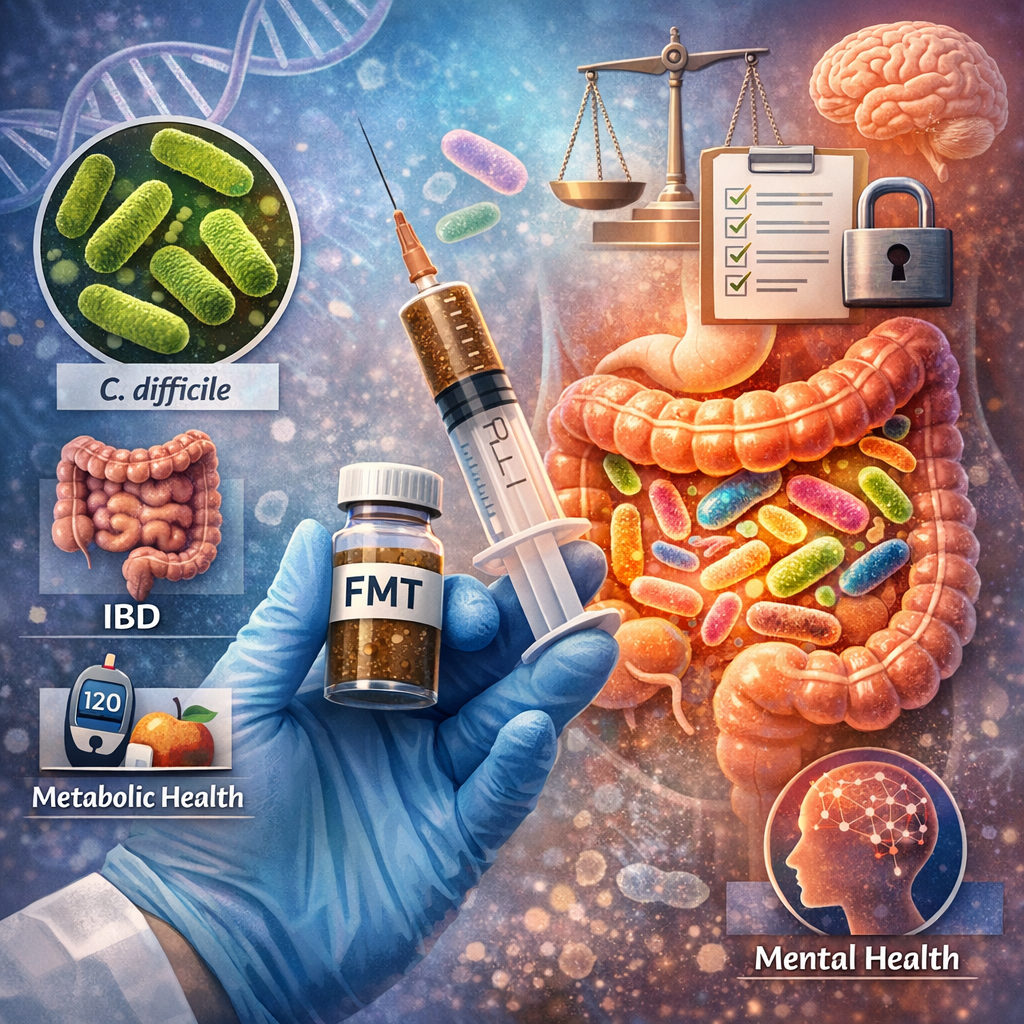
While gut microbiome transplants have shown remarkable success in treating recurrent Clostridioides difficile infection—a severe and often treatment-resistant condition—researchers and medical practitioners are now exploring broader applications. The potential to customize gut microbiome profiles for individual patients could revolutionize personalized medicine, offering tailored solutions for digestive health and beyond.
However, the use of gut microbiome transplants presents ethical and scientific challenges. Concerns include donor selection, screening for pathogens, and the long-term effects of altering a person’s microbiome. Regulating the procedure poses a significant hurdle, as FMTs blend the boundaries between organ transplantation and traditional pharmaceutical interventions. Nevertheless, with robust scientific investigation and stringent ethical standards, gut microbiome transplants may soon become a mainstay in clinical practice.
Features
The scientific validation for gut microbiome transplants is rapidly growing, supported by numerous studies that underscore their efficacy and potential. A *landmark study* published in the New England Journal of Medicine demonstrated that FMTs achieve a 90% success rate in treating recurring C. difficile infections compared to traditional antibiotic therapies. This breakthrough prompted the U.S. Food and Drug Administration (FDA) to designate FMTs as an experimental treatment, expediting research and clinical trials [NEJM Study on FMT effectiveness](https://www.nejm.org/doi/full/10.1056/NEJMoa1205037).
Further research has explored the role of microbiome transplants in treating conditions beyond C. difficile. A clinical trial at the *University of Helsinki* examined the effects of FMTs on patients with ulcerative colitis, a type of inflammatory bowel disease. The study found significant clinical and endoscopic improvement in patients who received healthy donor microbiota compared to those who received placebo treatments. These promising results underscore the potential of FMTs in managing complex gut-related disorders [Helsinki Ulcerative Colitis Study](https://www.gastrojournal.org/article/S0016-5085(15)01081-0/fulltext).
The therapeutic promise of gut microbiome transplants extends to metabolic and mental health as well. Animal studies and preliminary human trials indicate that FMTs may help mitigate obesity and metabolic syndrome by modulating gut flora to improve metabolic profiles. Emerging research suggests a link between gut health and mental well-being, with some scientists investigating FMTs’ potential to alleviate symptoms of anxiety and depression by restoring a healthier microbiome balance.
Despite the potential benefits, challenges remain. Ethical concerns center around donor selection, privacy issues related to genetic material in fecal samples, and the need for informed consent. Scientists continue to debate the best approaches for standardizing FMT procedures, ensuring interventions are safe and effective. Regulatory bodies like the FDA and European Medicines Agency (EMA) are crucial in this process, striving to develop comprehensive guidelines for the therapeutic use of FMTs.
Conclusion
Gut microbiome transplants represent a compelling frontier in the future of personalized healthcare, offering a novel means of addressing numerous digestive and systemic health issues. The growing body of scientific evidence supports the potential efficacy of FMTs and underscores the importance of careful ethical considerations and regulatory oversight. As the understanding of the gut microbiome continues to evolve, these transplants may become a cornerstone of individualized treatment strategies, bridging the gap between traditional medicine and innovative approaches to health and wellness. By fostering a collaborative effort between scientists, medical practitioners, and regulatory agencies, gut microbiome transplants could usher in a new era of personalized digestive health, tailored to meet each individual’s unique needs.
Concise Summary:
Gut microbiome transplants, or fecal microbiota transplants (FMT), are an innovative approach to treating disorders linked to dysbiosis, such as inflammatory bowel disease, obesity, and mental health conditions. Successful in addressing recurrent *Clostridioides difficile infections*, FMT research is expanding into personalized medicine, offering tailored treatments. The ethical and scientific challenges include donor selection and standardizing procedures. However, increased scientific support and regulatory oversight from bodies like the FDA promise an exciting future where FMTs are integral to personalized healthcare.