Breaking the Gut’s Control Loop: Exploring the Gut-Immune-Endocrine Network for Revolutionary Healing
Introduction
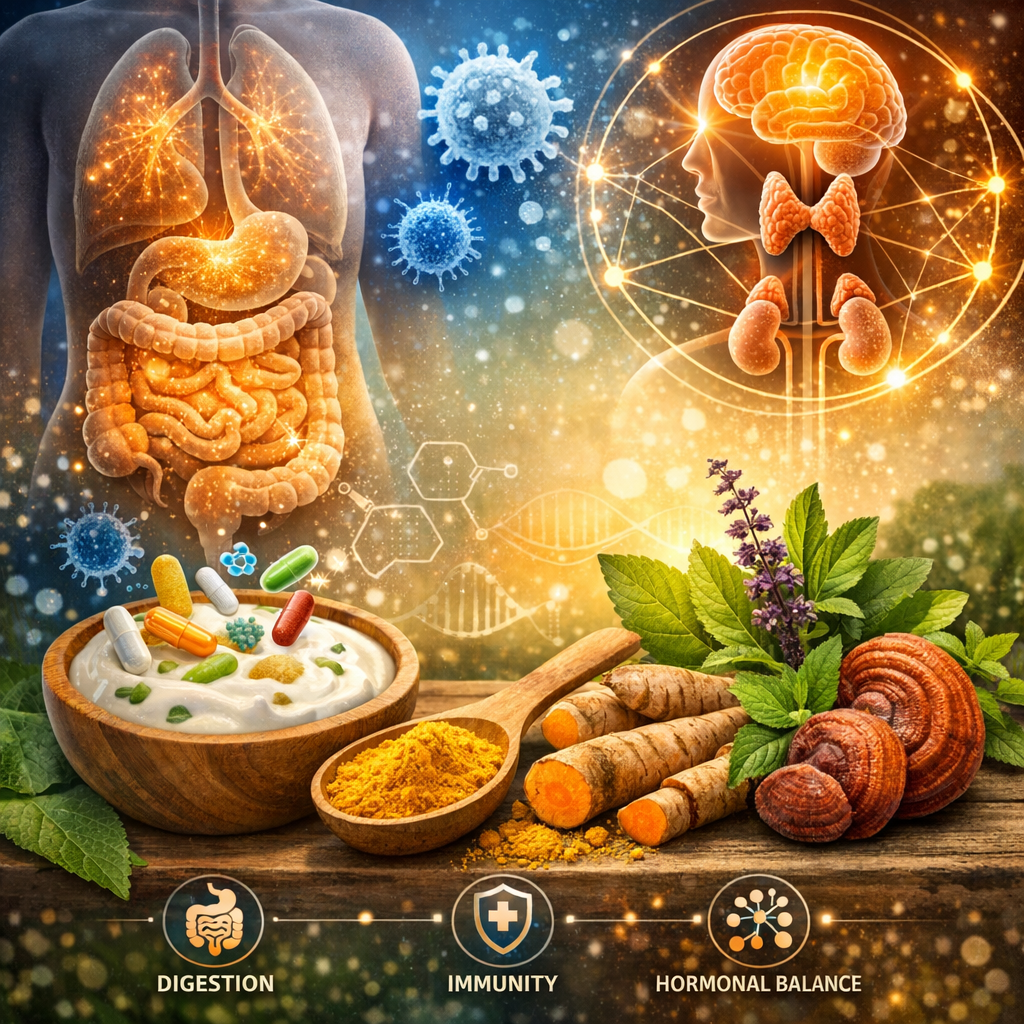
The concept of gut health has captured the attention of medical professionals, health enthusiasts, and researchers alike. Our gut is more than just a digestive organ; it is a pivotal player in a complex triad known as the gut-immune-endocrine network, a sophisticated system that influences our overall health. The gut forms a multifaceted communication axis with our immune and endocrine systems, which refer to the hormone-producing glands. This intricate network plays an essential role in homeostasis—the body’s way of maintaining internal stability. When these systems are unbalanced, they can lead to ailments ranging from common digestive issues to chronic inflammation, autoimmune diseases, and even mood disorders like anxiety and depression.
In recent years, natural and herbal treatments have become popular as safer alternatives for managing these imbalances. These treatments offer the possibility of revolutionary healing by potentially enhancing gut flora, modulating immune responses, and balancing hormones.
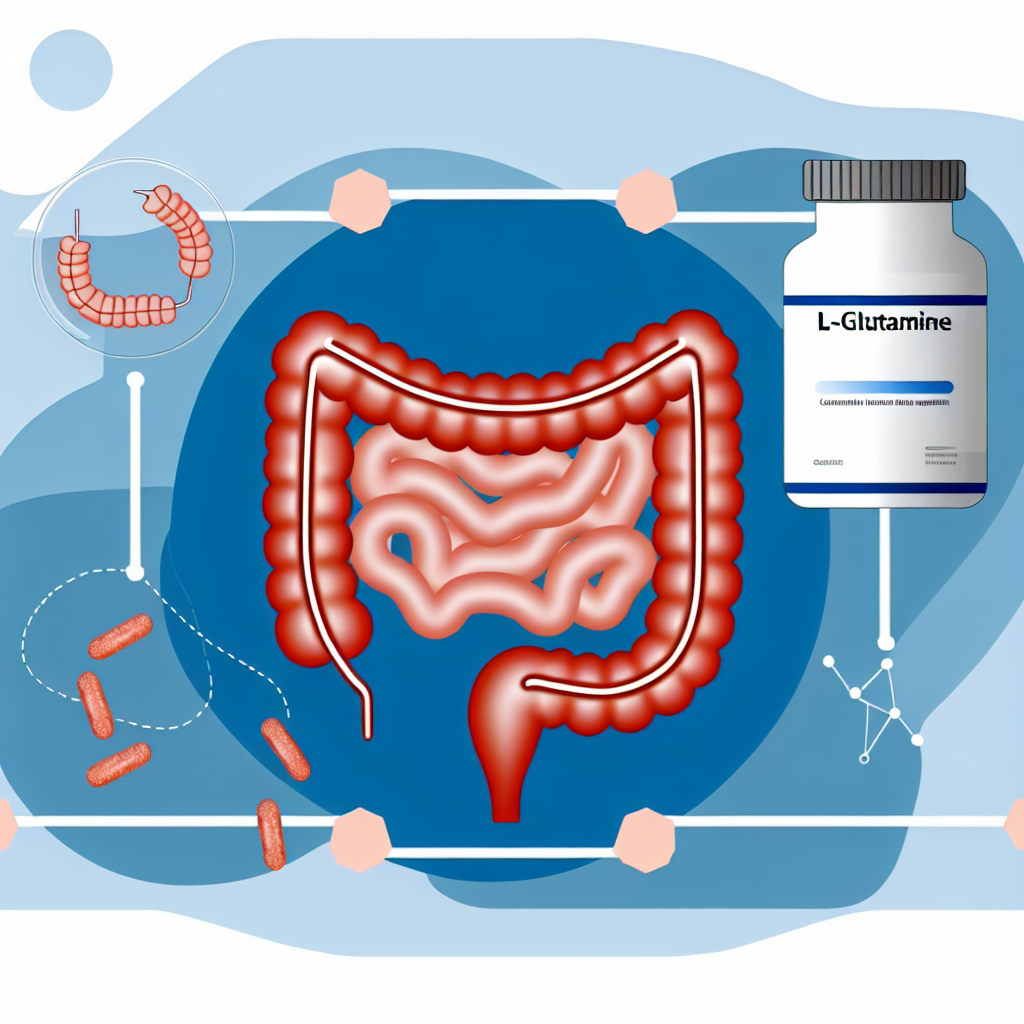
Our gut houses trillions of beneficial bacteria involved in digestion, nutrient absorption, and waste elimination. These bacteria communicate with immune cells and produce key hormones like serotonin, often termed the “feel-good hormone,” affecting mood and behavior. Understanding this central role in the microbiome is groundbreaking yet challenging.
Emerging studies suggest that nurturing the gut microbiome can simultaneously influence the immune and endocrine systems. Traditional medicines and modern research are converging to validate ancient wisdom: that herbs and natural remedies can optimize this control loop. It’s vital to adopt interventions grounded in scientific research and clinical studies to ensure efficacy and minimize risks.
Features
An increasing body of scientific research underscores the interplay between the gut, immune system, and endocrine network. One such study published in [“Nature Reviews Gastroenterology & Hepatology”](https://www.nature.com/nrgastro/) highlights how gut microbiota can modulate the immune system and affect systemic inflammatory responses, influencing various health aspects, including autoimmunity and metabolic disorders.
For instance, the herb turmeric, containing the active compound curcumin, has long been celebrated for its anti-inflammatory and antioxidant properties. According to a study in [“Advances in Experimental Medicine and Biology”](https://link.springer.com/book/10.1007/978-1-4939-7471-9), curcumin shows promise in enhancing intestinal barrier function and mitigating gut inflammation, which could positively impact immune and endocrine pathways.
Probiotics, live beneficial bacteria found in fermented foods, present another promising approach for maintaining gut health. A study in [“Frontiers in Microbiology”](https://www.frontiersin.org/journals/microbiology) elaborates on how certain probiotic strains can reduce colds and flu by reinforcing the gut-immune interface.
Further compelling evidence comes from research on adaptogenic herbs like Ashwagandha and Rhodiola. Published in the [“Journal of Alternative and Complementary Medicine”](https://www.liebertpub.com/journals/journal-of-alternative-and-complementary-medicine/26), these herbs have shown efficacy in mitigating stress by modulating cortisol levels through the gut-endocrine relationship. Stress management is crucial, as chronic stress negatively impacts gut health, leading to a vicious cycle of hormonal imbalances.
Conclusion
Exploring the gut-immune-endocrine network offers astounding opportunities for holistic health interventions using natural and herbal treatments. As science continues to unveil the intricacies of this control loop, the potential for revolutionary healing becomes apparent. Navigating this complex triad requires interventions grounded in scientific rigor to ensure safe, effective results. By integrating natural remedies with emerging clinical insights, we can strive toward achieving optimal gut, immune, and endocrine health, paving the way for sustained well-being and vitality.
While herbal and natural treatments can offer significant health benefits, always seek professional guidance before integrating them into your regimen. Balancing the gut’s control loop is not a one-size-fits-all endeavor. Personalizing treatments can lead to transformative health outcomes.
Concise Summary
The gut-immune-endocrine network is a complex system that significantly influences overall health. The gut plays a central role in maintaining this network, affecting immune responses, hormonal balance, and mood. Recent studies highlight the potential of natural and herbal treatments in enhancing gut flora and modulating these systems. Turmeric, probiotics, and adaptogenic herbs like Ashwagandha and Rhodiola show promise in regulating this network. Understanding and nurturing the gut microbiome could revolutionize healing, but personalized, scientifically grounded interventions are crucial for safe and effective outcomes in achieving overall well-being.