Decoding Gut Dysbiosis: The Hidden Code to Personalized Microbiome Engineering
The human gut is a dynamic ecosystem filled with trillions of microorganisms essential for overall health. Known as the gut microbiome, these microorganisms aid in digestion and regulate the immune system. An imbalance, known as gut dysbiosis, can cause health issues like irritable bowel syndrome (IBS), obesity, and even mental health disorders. Understanding and addressing this imbalance is crucial. Factors like poor diet, stress, and antibiotics can disturb the gut balance. Emerging research is uncovering pathways to personalized microbiome treatments tailored to individual needs, optimizing gut health and overall well-being.
The concept of personalized microbiome engineering is rapidly becoming a reality. Scientists are unraveling the genetic and environmental influences on an individual’s microbiome composition. This knowledge could enable therapies to rebalance one’s microbiota, promoting gut health and preventing diseases. With advances in gene sequencing and computational biology, new doors are opening for innovative gut health management. Expanded understanding around these topics is paving the way for significant improvements in treating gut issues.
Features
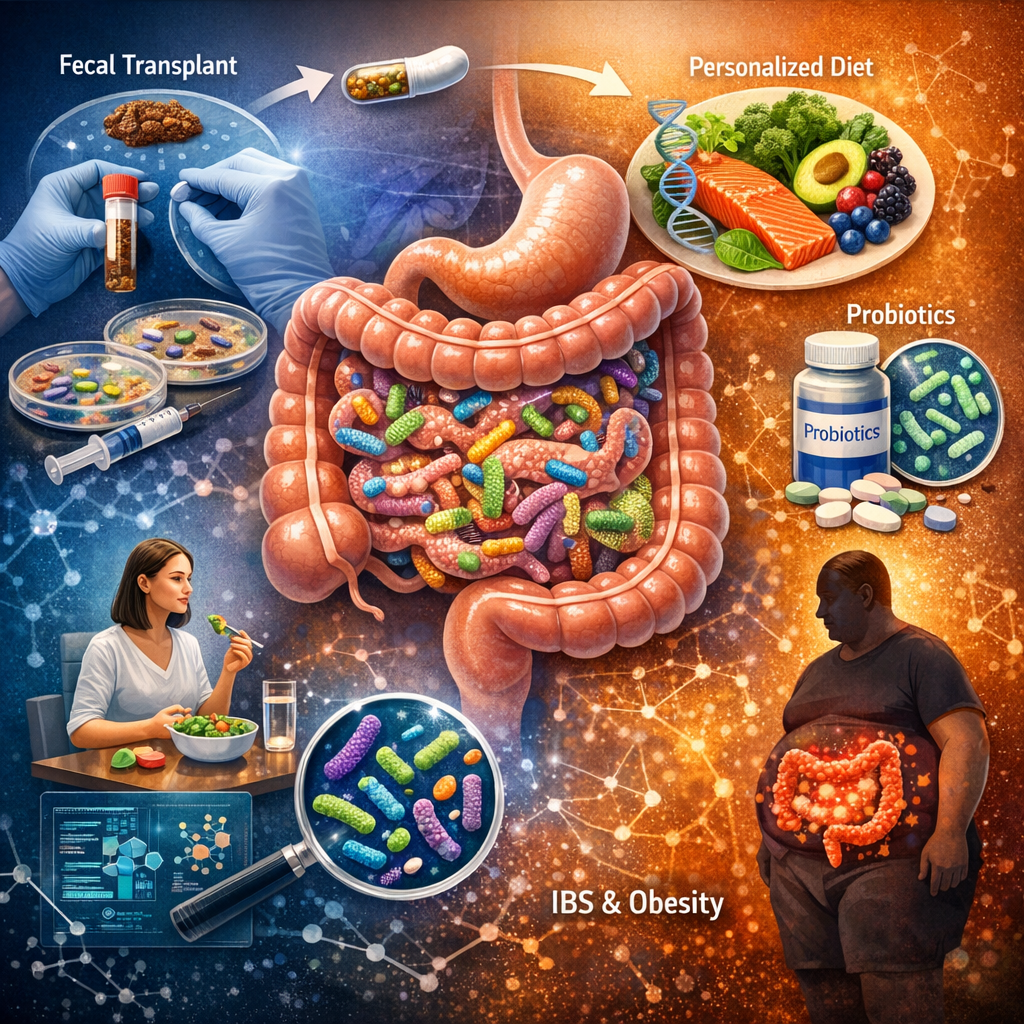
Numerous research projects have illuminated the complexities of gut dysbiosis and personalized microbiome therapies. A landmark [study](https://www.nature.com/articles/s41591-018-0316-6) published in the journal “Nature” in 2019 examined fecal microbiota transplantation (FMT) for treating recurrent Clostridium difficile infections. Traditionally used for specific bacterial infections, this therapy has potential broader applications for various forms of gut dysbiosis.
A [study](https://www.cell.com/fulltext/S0092-8674(20)30014-5) published in “Cell” in 2020 explored personalized dietary interventions on the gut microbiome. It revealed that individualized diets could modify bacterial populations and improve metabolic health, supporting the use of personalized nutrition as a powerful tool against dysbiosis.
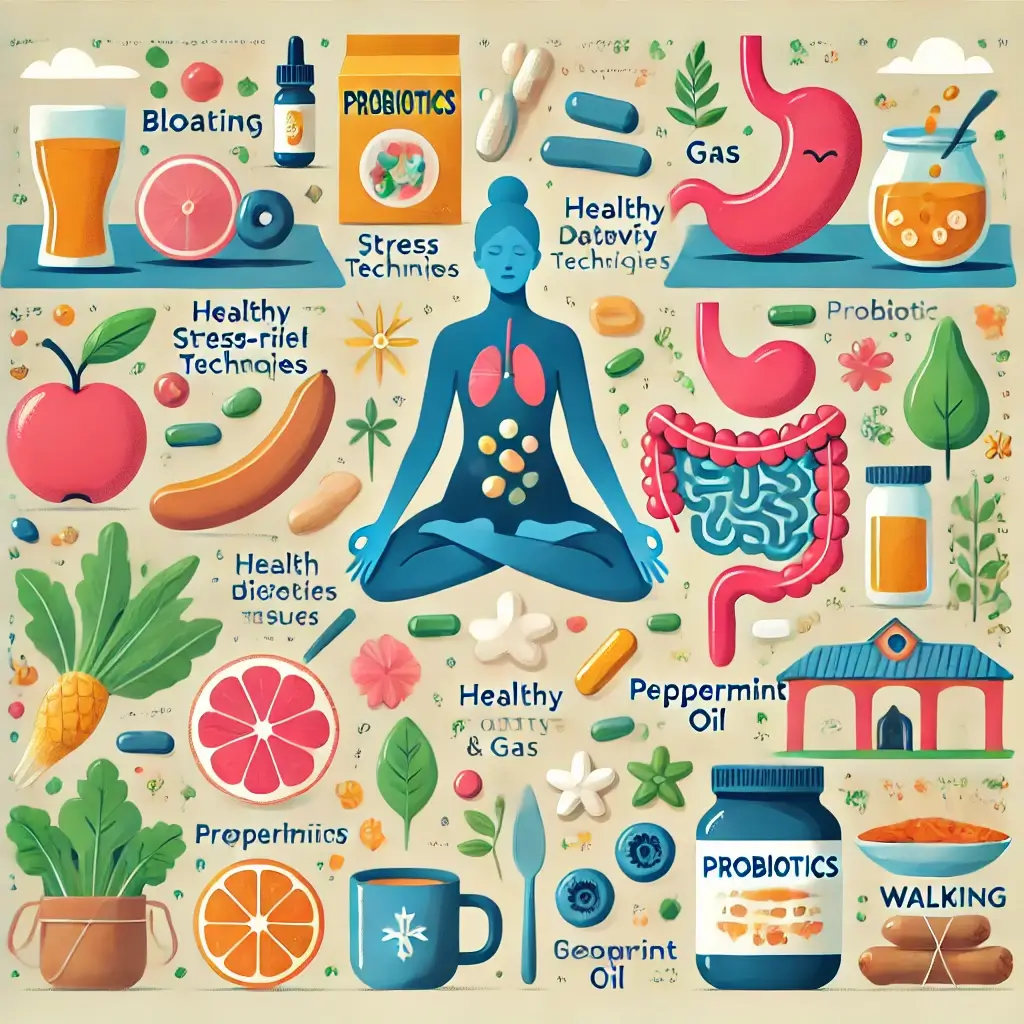
Moreover, probiotic therapies are gaining traction as a natural means to combat gut dysbiosis. A 2021 [review](https://www.frontiersin.org/articles/10.3389/fmicb.2021.608655/full) in “Frontiers in Microbiology” analyzed the benefits of specific probiotic strains, concluding that targeted probiotic supplementation could enhance gut health and alleviate symptoms like bloating and inflammation.
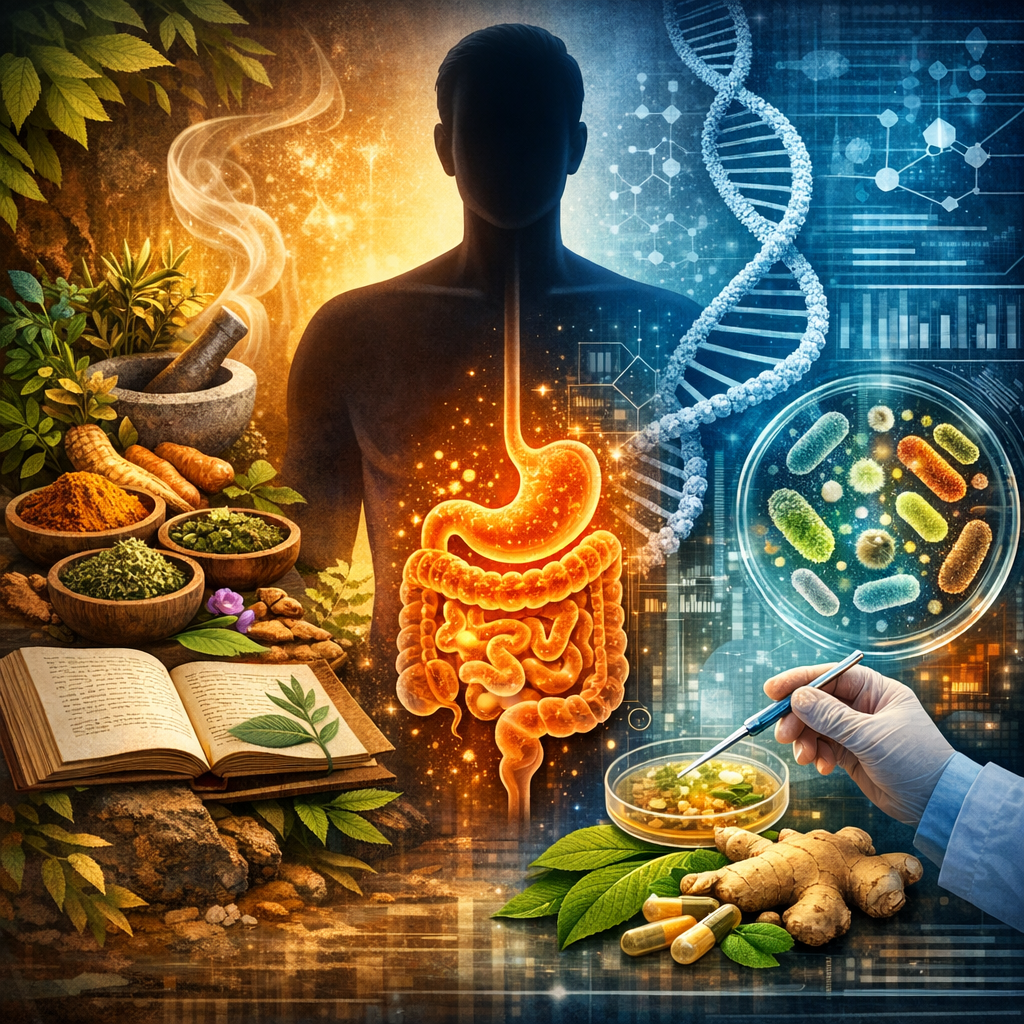
As research advances, the potential for novel gut dysbiosis treatments grows significantly. The integration of precision medicine and microbiome science is poised to transform gut health management, offering personalized strategies to restore microbiome balance, including the effective use of natural and herbal remedies.
Conclusion
Decoding gut dysbiosis and leveraging personalized microbiome engineering is an exciting journey. Growing understanding of the gut-brain axis and the microbiome’s role in diseases create new pathways for interventions. Tailoring approaches based on individual microbiome profiles might revolutionize gut health management, offering hope to those managing digestive disorders and beyond. To realize this potential, continued research and support are vital as we unlock the capabilities of personalized microbiome engineering.
Concise Summary
Understanding and treating gut dysbiosis is crucial as imbalances in the gut microbiome can lead to health issues such as IBS and mental disorders. Research into personalized microbiome engineering offers innovative therapeutic options tailored to individual needs. Studies highlight potential treatments like fecal microbiota transplantation, personalized diets, and probiotic therapies to rebalance gut health. Advances in gene sequencing and precision medicine promise improved strategies to restore microbiome balance. As research progresses, personalized approaches for maintaining gut health are becoming increasingly viable, offering transformative possibilities for managing digestive disorders.