Decoding Gut-Immune Signals: The Future of Personalized Gut Health Mapping
Introduction
In recent years, the intricate relationship between the gut and the immune system has been a burgeoning area of research, offering unprecedented insights into a vital aspect of human health—gut health. Often referred to as the “second brain,” the gut is home to trillions of microbes that influence everything from digestion to mood and immunity. The gut microbiome is a vast ecosystem populated by beneficial bacteria, viruses, and fungi that contribute significantly to our overall well-being. Emerging science reveals that a balanced gut microbiome is crucial for modulating immune responses, protecting against pathogens, and reducing inflammation.
For individuals seeking natural approaches to enhance their gut health, understanding these gut-immune signals is more pertinent than ever. Personalized gut health mapping is at the forefront of transforming how we approach gut health. It involves detailed analysis and profiling of one’s unique microbiome, fostering a customized approach to optimizing digestion and strengthening immunity through diet, lifestyle changes, and even herbal treatments.
The exploration of natural cures and herbal treatments has long been an area of intrigue. Historically, various cultures have relied on herbal medicine to maintain gut health. For instance, ginger and peppermint are well-known for their digestive benefits. Today, modern science is catching up with these age-old remedies, validating their efficacy through rigorous studies. The demand for natural solutions is growing, driven by an increasing awareness of the side effects associated with conventional pharmaceuticals and a desire for holistic treatment options.
As we delve into the mechanics of gut-immune interactions, researchers are employing advanced technologies to decipher the ways in which gut health directly impacts immunity. These breakthroughs offer hope for the development of targeted treatments that leverage the natural synergy between gut microbes and the body’s immune system. With such personalized insights, people can tailor their diets and herbal remedies to enhance gut resilience and overall health.
Features
Several professional and medical studies have begun to unravel the complex dynamics between the gut microbiome and the immune system. One landmark study published in *Nature Reviews Immunology* discussed how gut microbiota composition can influence immune cell activity. Specifically, Bacteroidetes and Firmicutes, two major phyla of bacteria in the gut, are linked to the regulation of immune responses. Alterations in the balance of these bacteria have been associated with a range of immune-related conditions, from allergies to autoimmune diseases ([Nature Reviews Immunology](https://www.nature.com/articles/nri3025)).
Another pivotal research published in *Cell Host & Microbe* highlighted the role of short-chain fatty acids (SCFAs), produced by gut bacteria, in modulating immune functions. SCFAs such as butyrate are known to enhance the integrity of the gut lining and serve as signaling molecules that influence the function of immune cells. Thus, a gut microbiome rich in SCFA-producing bacteria can foster a healthy immune response and reduce the risk of inflammatory diseases ([Cell Host & Microbe](https://www.cell.com/cell-host-microbe/fulltext/S1931-3128(17)30268-0)).
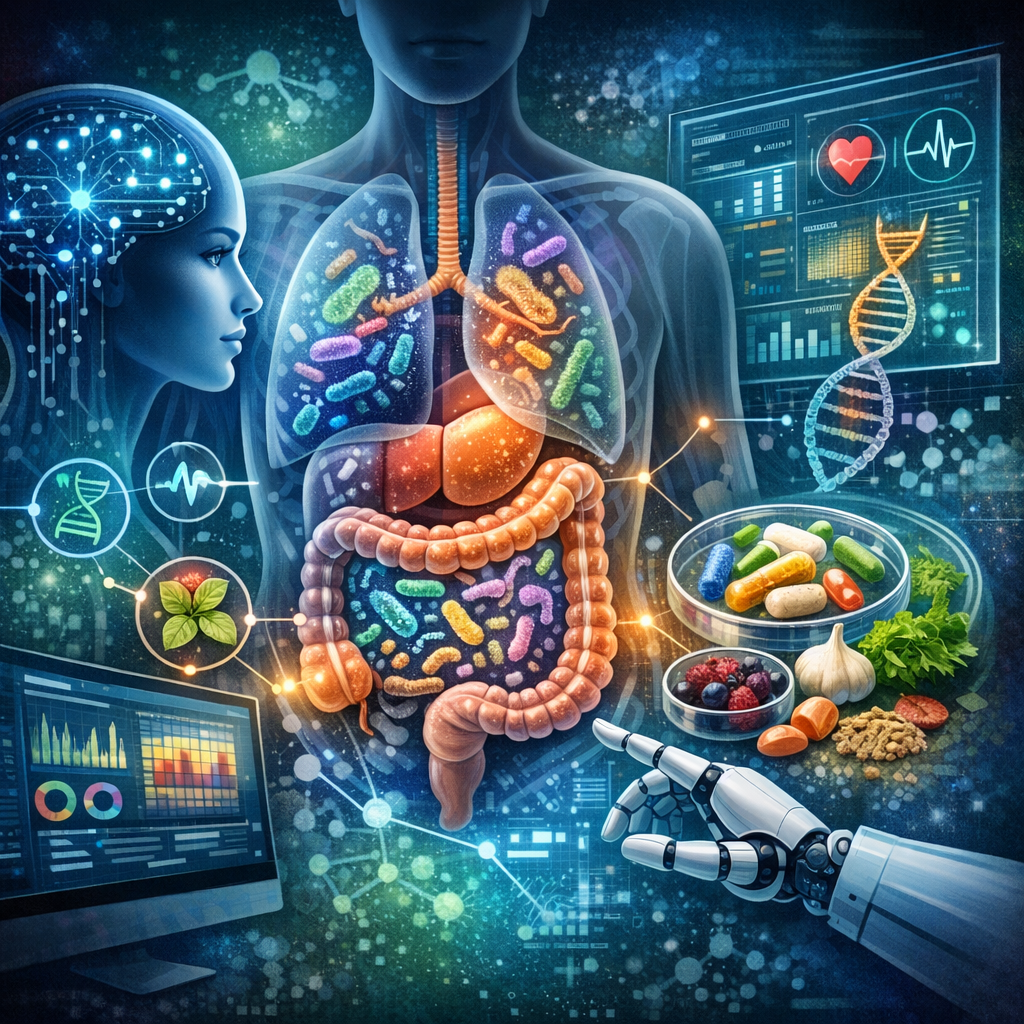
The potential for personalized gut health mapping is further supported by advances in metagenomic sequencing, enabling the precise identification of bacterial species within an individual’s gut. Technologies like 16S rRNA sequencing allow researchers to create detailed profiles of the gut microbiome, paving the way for customized dietary and herbal interventions that suit one’s genetic predispositions and health requirements.
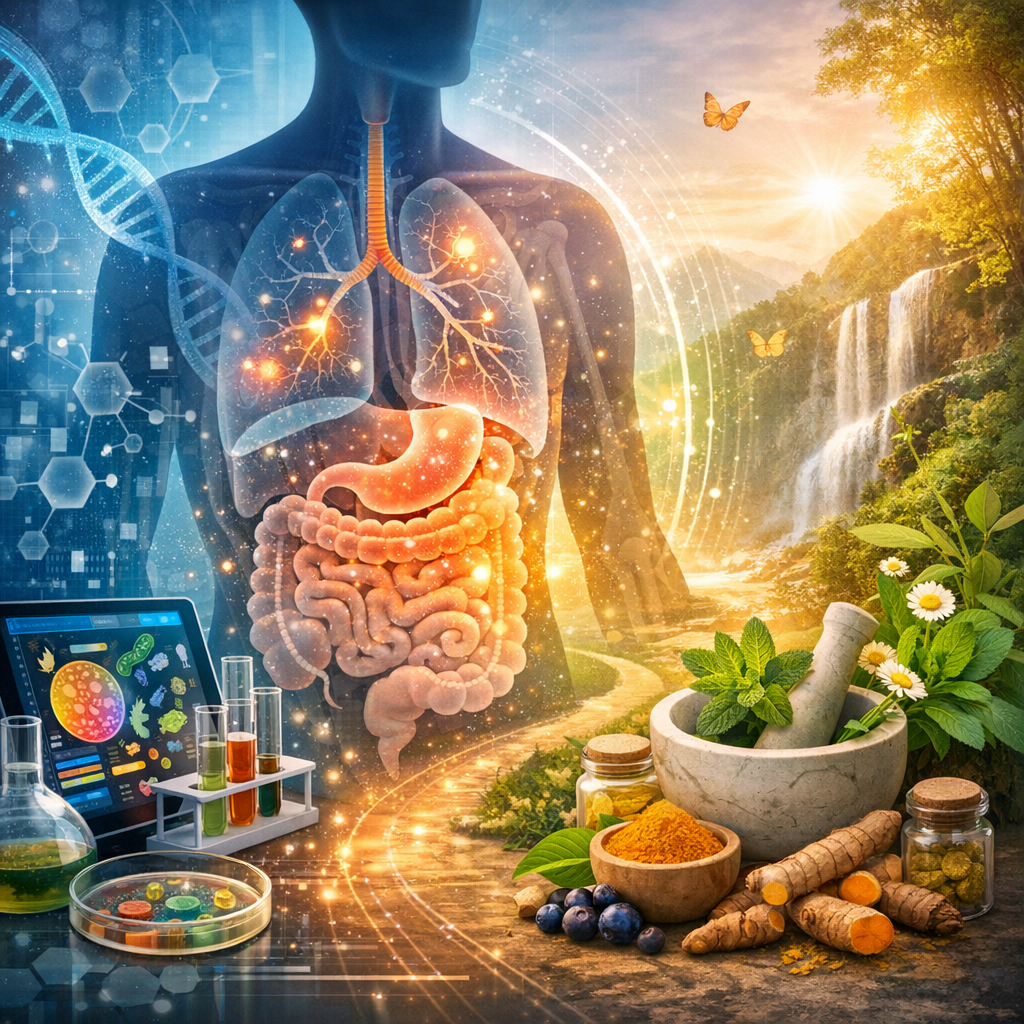
Additionally, herbal medicine research, such as the study of the effects of curcumin (derived from turmeric) and flavonoids found in chamomile, shows promise in modulating the gut microbiota. These natural compounds have displayed potent anti-inflammatory and prebiotic properties in clinical trials, promoting beneficial bacterial growth and ameliorating gut-associated inflammation ([Phytotherapy Research](https://onlinelibrary.wiley.com/doi/full/10.1002/ptr.6891)).
Conclusion
The future of gut health is undoubtedly personalized. As our understanding of gut-immune signals deepens, the integration of scientific insights with age-old natural remedies will empower individuals to achieve optimal gut health. Personalized gut health mapping represents a transformative approach, allowing us to harness the power of our unique microbiomes in the quest for better health outcomes. By bridging the gap between ancient wisdom and cutting-edge technology, we are on the brink of a new era in healthcare—one that values individuality and holistic wellness as fundamental tenets.
Concise Summary:
The article explores the crucial connection between the gut microbiome and the immune system, emphasizing the role of personalized gut health mapping. This innovative approach integrates advanced technologies, like metagenomic sequencing, to analyze the microbiome, offering customized dietary and herbal interventions. The research highlights the role of specific bacteria, such as Bacteroidetes and Firmicutes, and compounds like SCFAs in boosting immunity and reducing inflammation. It underscores the re-emergence of natural remedies like ginger, curcumin, and flavonoids in modern health solutions, heralding a new era in personalized and holistic healthcare.