Decoding the Gut’s Role in Autoimmune Control: New Biochemical Pathways Unveiled
Introduction
The human gut is a complex ecosystem, housing trillions of microorganisms that play an indispensable role in overall health. Recent advancements in gut research have begun to unravel its complexities, especially its significant influence on the immune system. The emerging connection between gut health and autoimmune diseases has captured the interest of medical researchers worldwide. Autoimmune diseases occur when the immune system erroneously attacks the body’s own cells, leading to chronic inflammation and tissue damage. These conditions affect millions of people, making the quest for new insights and treatment options increasingly urgent.
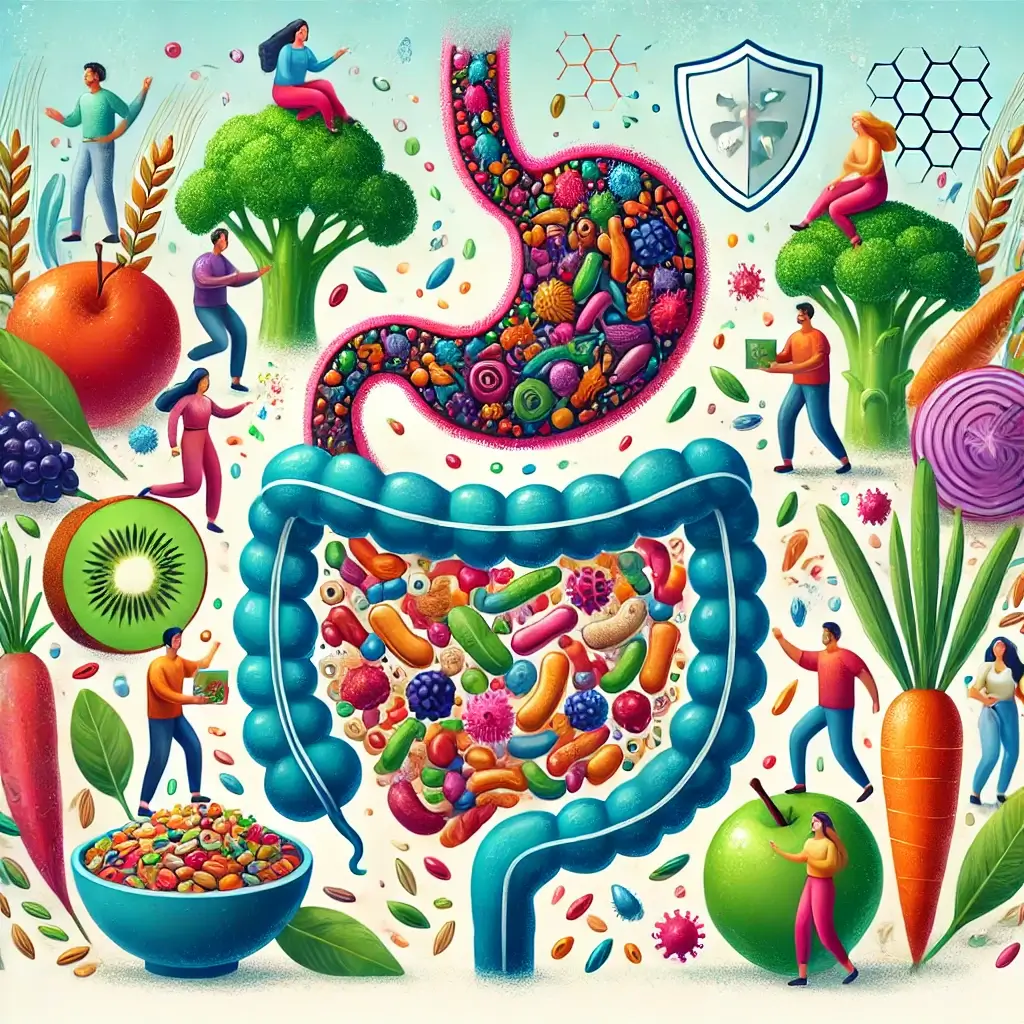
The relationship between the gut and the immune system is intricate and profound. It’s now understood that the gut microbiome—the unique collection of bacteria, viruses, fungi, and other microorganisms in the digestive tract—plays a crucial role in modulating immune responses. When balanced, these microorganisms assist in nutrient absorption and protect against pathogens. However, an imbalanced microbiome, known as dysbiosis, is linked to the onset and progression of various autoimmune conditions such as rheumatoid arthritis, type 1 diabetes, and inflammatory bowel diseases (IBD). Further research may expand on how specific gut microbes directly influence such conditions.
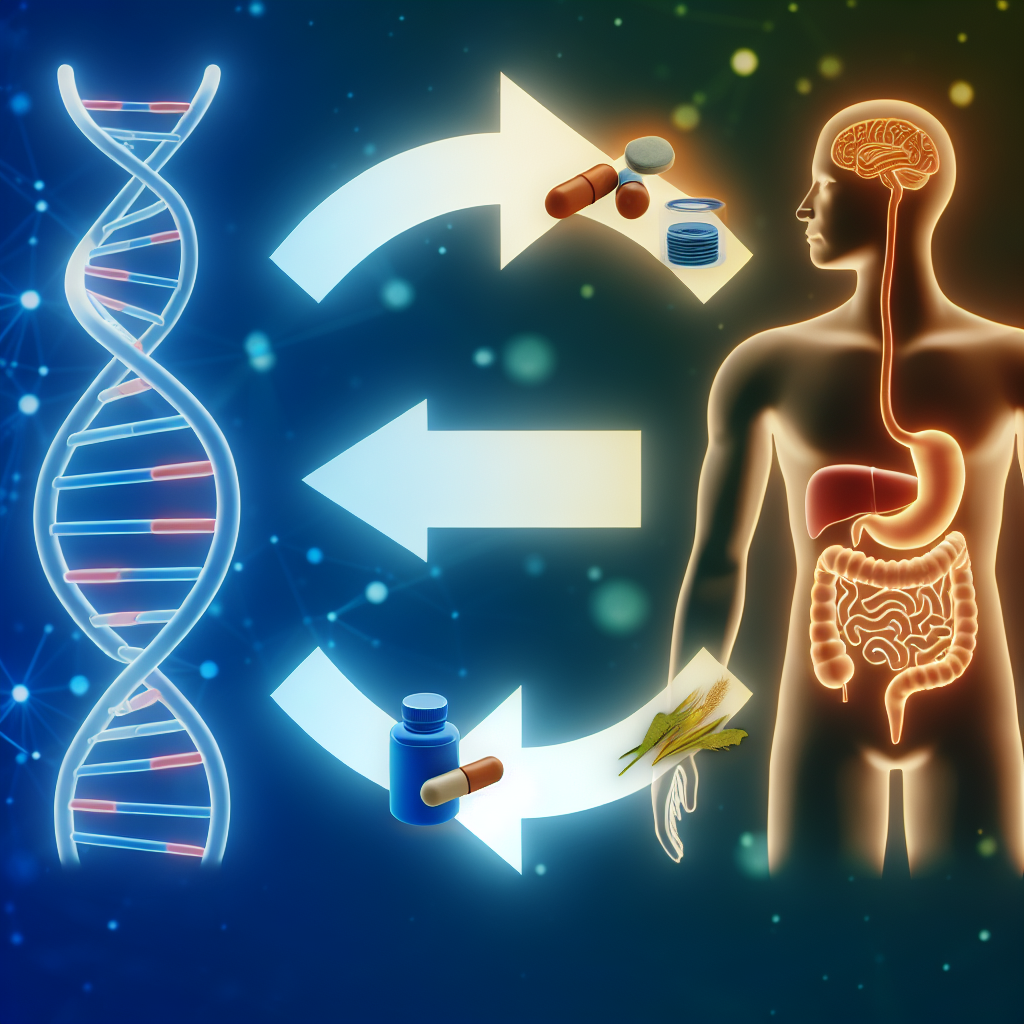
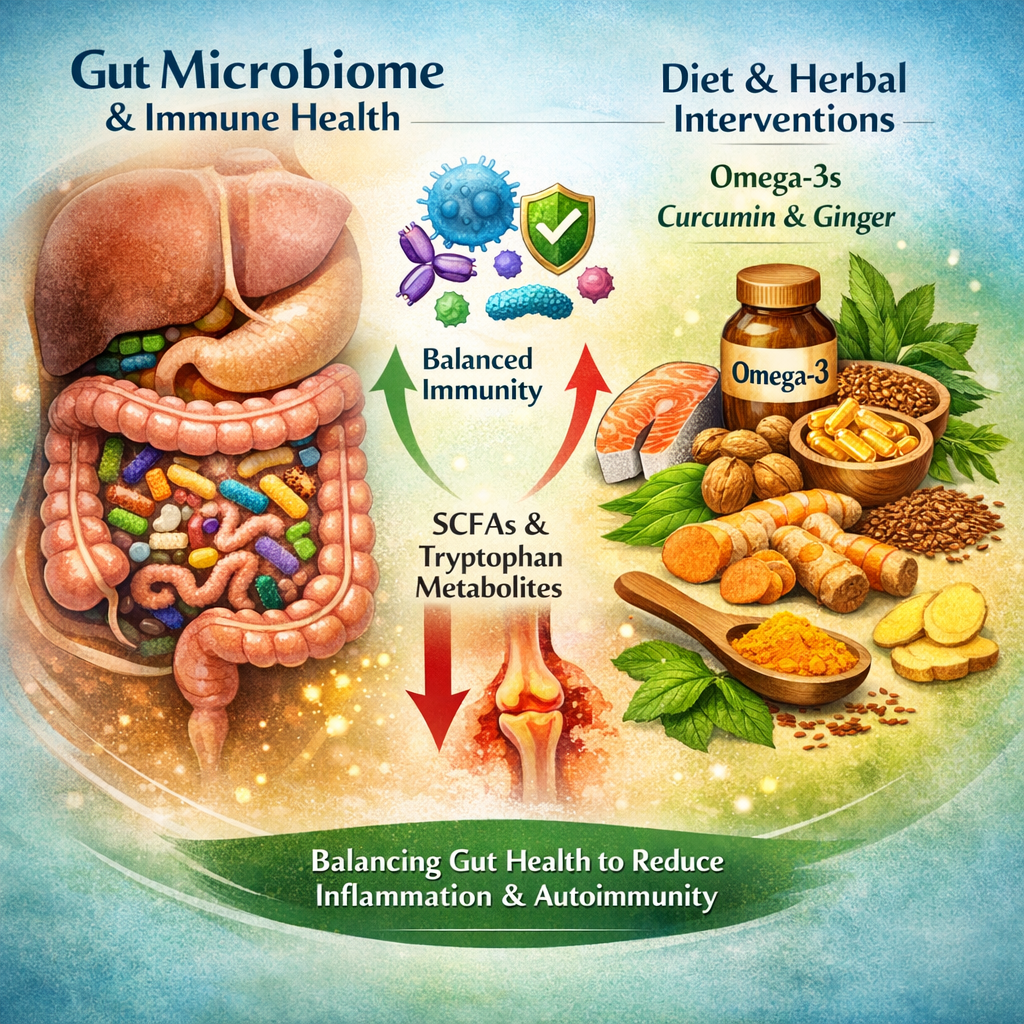
New research has unveiled several biochemical pathways through which gut microorganisms influence immune function. These pathways involve complex interactions between diet, metabolism, and microbial metabolites such as short-chain fatty acids (SCFAs) and tryptophan metabolites. By understanding these pathways, scientists hope to develop innovative treatments that restore the balance in the gut and enhance immune responses. Consequently, such research underscores the significance of maintaining gut health through natural and herbal interventions, which could play a critical role in managing autoimmune diseases.
In this article, we delve into the latest research exploring how novel biochemical pathways in the gut can help modulate immune responses and control autoimmune diseases. We will also examine current studies and highlight promising natural and herbal treatments aimed at promoting optimal gut health.
Features
Scientists are now beginning to map out the biochemical pathways that link gut health to immune regulation. A notable study published in [”Nature”](https://www.nature.com/articles/nature12323) elaborated on the role of short-chain fatty acids (SCFAs), which are metabolites produced when gut bacteria ferment dietary fibers. SCFAs, including acetate, propionate, and butyrate, have been shown to exert anti-inflammatory effects by influencing the activity of regulatory T-cells (Tregs) and reducing the production of pro-inflammatory cytokines. These findings suggest that boosting SCFA production through dietary interventions can potentially ameliorate symptoms of autoimmune diseases.
Another groundbreaking study from the [”Journal of Immunology”](https://www.jimmunol.org/content/early/2020/06/27/jimmunol.1900946) highlighted the influence of gut-derived tryptophan metabolites on immune response. Tryptophan, an essential amino acid, undergoes transformation within the gut to produce several metabolites that act on the aryl hydrocarbon receptor (AhR). Activation of AhR by these metabolites has been shown to foster the development of an anti-inflammatory immune environment, indicating a promising target for therapeutic strategies against autoimmune diseases.
Furthermore, research published in [”Cell Reports”](https://www.cell.com/cell-reports/fulltext/S2211-1247(14)01166-9) has demonstrated that the omega-3 fatty acids found in fish oil and certain plant oils can modulate gut microbiota composition, thereby influencing immune responses. Omega-3 fatty acids have been observed to enhance the abundance of certain beneficial gut bacteria while reducing populations linked to inflammation, offering a natural avenue to restore microbial balance and counteract autoimmune conditions.
Professional consensus is growing around the potential of herbal treatments to enhance gut health. For instance, curcumin, a compound derived from turmeric, has shown promise in both clinical and preclinical studies for its anti-inflammatory effects and its ability to modulate gut bacteria. Likewise, ginger and its bioactive component, 6-gingerol, have been identified as potent natural anti-inflammatories with the capacity to influence gut health positively.
Conclusion
The gut’s role in autoimmune control is becoming increasingly apparent with every new discovery. The intricate biochemical pathways linking gut health to immune function underscore the importance of maintaining a balanced gut microbiome. Through diet, lifestyle changes, and potentially supportive herbal treatments, it is possible to take proactive steps in managing gut health and, by extension, modulating immune responses to reduce autoimmune disease progression. As research continues, the hope is that deeper insights into these pathways will lead to more effective, natural treatments that can improve quality of life for individuals with autoimmune conditions.
References
– “Short-Chain Fatty Acids as Short-Chain Fatty Acid Receptors (SCFAs) in the Inflammatory Response,” [Nature](https://www.nature.com/articles/nature12323).
– “Tryptophan Metabolism and Autoimmune Disease,” [Journal of Immunology](https://www.jimmunol.org/content/early/2020/06/27/jimmunol.1900946).
– “Omega-3 Fatty Acids and Immune Function,” [Cell Reports](https://www.cell.com/cell-reports/fulltext/S2211-1247(14)01166-9).
Concise Summary
The human gut, a vital ecosystem of microorganisms, significantly influences the immune system. Recent research reveals biochemical pathways through which the gut microbiome, especially short-chain fatty acids and tryptophan metabolites, modulates immune responses, potentially controlling autoimmune diseases like rheumatoid arthritis and type 1 diabetes. Studies highlight natural interventions, including dietary changes and herbal treatments like curcumin and ginger, to optimize gut health and immune function. As understanding grows, these insights may lead to effective natural therapies to alleviate autoimmune disorders, improving life quality for millions globally.