Decoding the Gut-Immune Superhighway Bridging Functional Gastroenterology and Autoimmunity Through Cutting-Edge Protocols
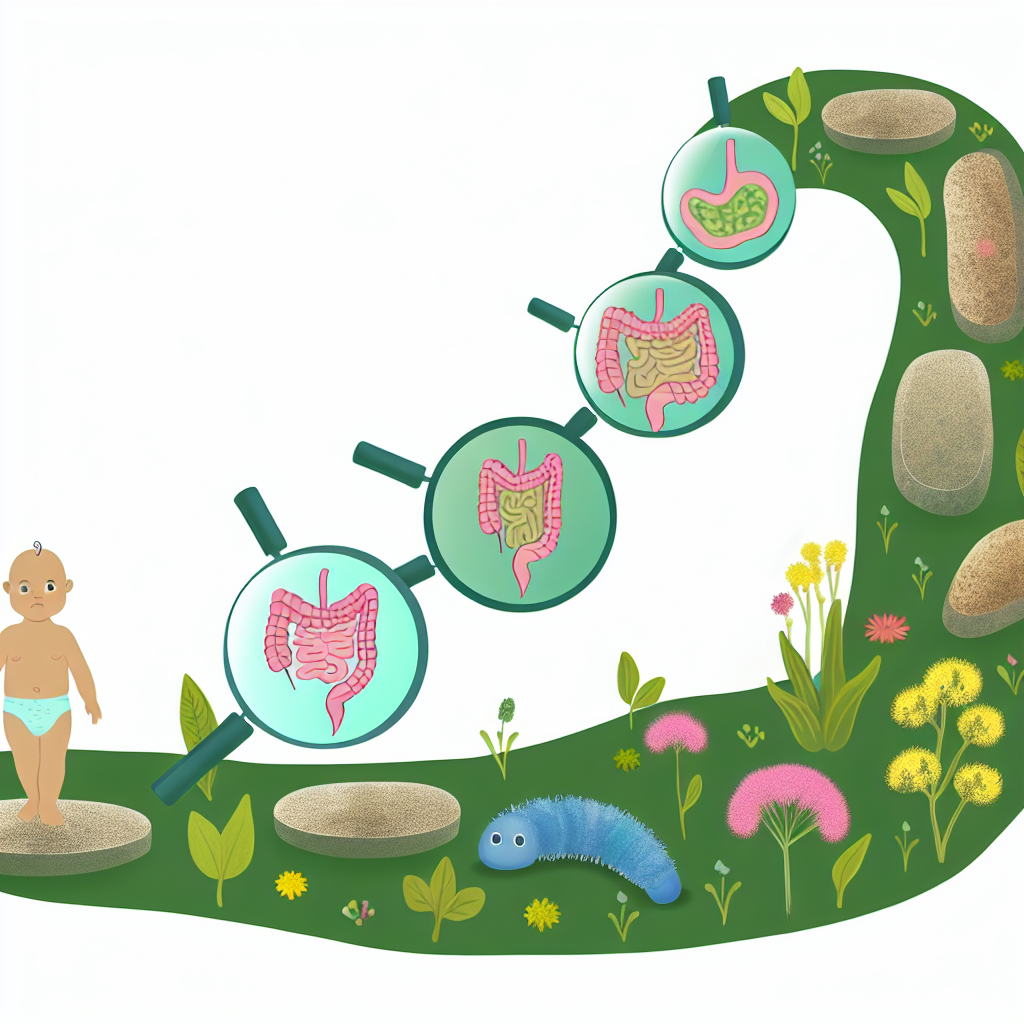
The intricate relationship between the gut and the immune system is akin to a bustling superhighway, where trillions of microorganisms—collectively known as the gut microbiome—interact dynamically with immune cells. This constant dialogue is crucial in maintaining homeostasis and safeguarding against diseases. However, when this communication becomes disrupted, it can lead to gastrointestinal disorders and autoimmunity. Understanding this connection, often referred to as the gut-immune axis, is pivotal for advancing health outcomes.
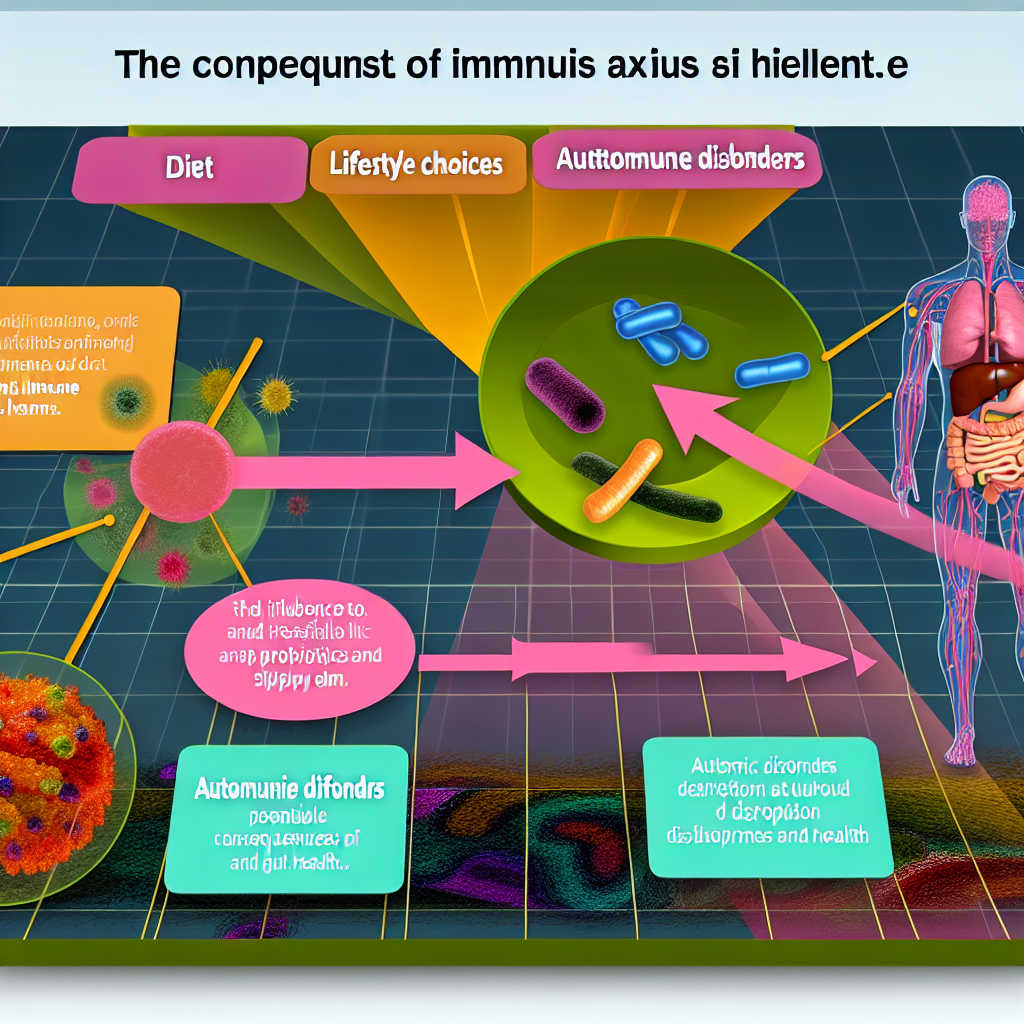
Functional gastroenterology, a burgeoning field focusing on this nexus, seeks to unravel the complexities of how gut health influences overall wellness. It emphasizes the role of diet, lifestyle, and natural treatments in restoring gut functionality. Autoimmunity, where the immune system erroneously attacks the body’s own tissues, is increasingly linked to gut health through a phenomenon known as ‘leaky gut syndrome.’ This condition involves increased intestinal permeability, which allows toxins and pathogens to enter the bloodstream, potentially triggering immune responses.
Emerging research has spotlighted the healing potential of natural cures and herbal treatments in managing gut health and modulating autoimmunity. Natural substances like slippery elm, marshmallow root, and licorice root have shown promise in supporting the gut lining, reducing inflammation, and enhancing immune function. These herbs may provide soothing relief and aid in repairing the mucosal barrier, crucial for those with autoimmune conditions or compromised gut health.
Moreover, lifestyle choices like incorporating a diet rich in prebiotics and probiotics, regular physical activity, and stress reduction practices, have demonstrated notable effects on the gut-immune axis. Probiotics, found in fermented foods, introduce beneficial bacteria to the gut, while prebiotics, found in fibrous foods, serve as food for these bacteria, promoting a balanced microbiome pivotal for a robust immune system.
As our understanding of the gut-immune connection deepens, it becomes increasingly clear that optimizing this relationship through natural remedies and lifestyle modifications can significantly impact not only gut health but also overall immune functionality, offering promising routes for those struggling with autoimmune disorders.
Features: Current Research and Insights
Numerous professional and medical studies are shedding light on the profound connection between the gut and the immune system. A landmark study published in [Nature Reviews Immunology](https://www.nature.com/articles/nri2998) demonstrated that the gut microbiome significantly influences the immune system through complex interactions. The researchers found that diverse microbial populations in the gut can promote immune tolerance, potentially preventing autoimmune responses.
Another pivotal study, published in the [Journal of Gastroenterology](https://link.springer.com/article/10.1007/s00535-015-1105-2), explored the beneficial effects of specific herbal treatments on gut health. The research reported that compounds found in plant-based treatments, such as ginger and turmeric, possess strong anti-inflammatory properties that mitigate symptoms in individuals with gastrointestinal diseases. These herbs were found to reduce markers of inflammation like C-reactive protein (CRP) levels, proving their efficacy in soothing and healing the gut lining.
In the realm of diet and lifestyle, the American Gastroenterological Association’s scholarly articles emphasize the role of nutrition in supporting gut health. They highlight the importance of consuming a Mediterranean-style diet rich in fruits, vegetables, whole grains, and lean proteins, which can foster a healthy gut microbiome. In addition, incorporating fermented foods like yogurt, kefir, and sauerkraut can increase beneficial bacterial strains, thereby enhancing the immune system’s efficacy.
Studies have also investigated mindfulness practices such as meditation and yoga as potent modulators of gut health. Research indicates that stress reduction techniques can lower the production of cortisol—a stress hormone that adversely affects gut permeability. By reducing stress, individuals can enhance gut barrier function, thereby preventing the systemic inflammation often implicated in autoimmune diseases.
Together, these scientific advancements reinforce the importance of a holistic approach to managing gut health and autoimmunity. By leveraging natural solutions and adopting lifestyle modifications, individuals can pave the way towards optimal health, supporting the body’s intrinsic ability to restore and maintain balance.
Conclusion
The gut-immune axis stands as a cornerstone in understanding the pathophysiology of autoimmunity and the role of the gut microbiome in overall health. By decoding this superhighway through cutting-edge protocols that embrace natural remedies, dietary interventions, and lifestyle changes, we can create targeted strategies that promote healing and prevent the onset of disease. As research continues to unfold, these insights into functional gastroenterology and autoimmunity not only pave the way for better therapeutic outcomes but also empower individuals to take control of their gut health through informed choices and natural interventions that prioritize wellness from the inside out.
Concise Summary
The article delves into the intertwined relationship between the gut microbiome and the immune system, highlighting its pivotal role in preventing autoimmunity and maintaining overall health. Key insights include the potential of natural remedies like slippery elm and licorice root, as well as lifestyle shifts such as a Mediterranean diet and mindfulness practices, for enhancing gut health. Recent research underscores the importance of prebiotics and probiotics and stress reduction techniques like meditation. A holistic approach to gut management, grounded in functional gastroenterology, promises better health outcomes and empowers proactive wellness.