From Microbiome Mapping to Tailored Therapeutics: The Future of Gut Health Innovation
The realm of gut health has evolved dramatically over the past few decades, moving beyond conventional understandings to the forefront of personalized medicine. With increased recognition of the microbiome’s role in overall health, the scientific community is delving deeper into how gut flora influences metabolic processes, immune function, and even mental health. This burgeoning field, often referred to as the microbiome revolution, has led to novel approaches that aim to harness the gut’s complex ecosystem to improve health outcomes.
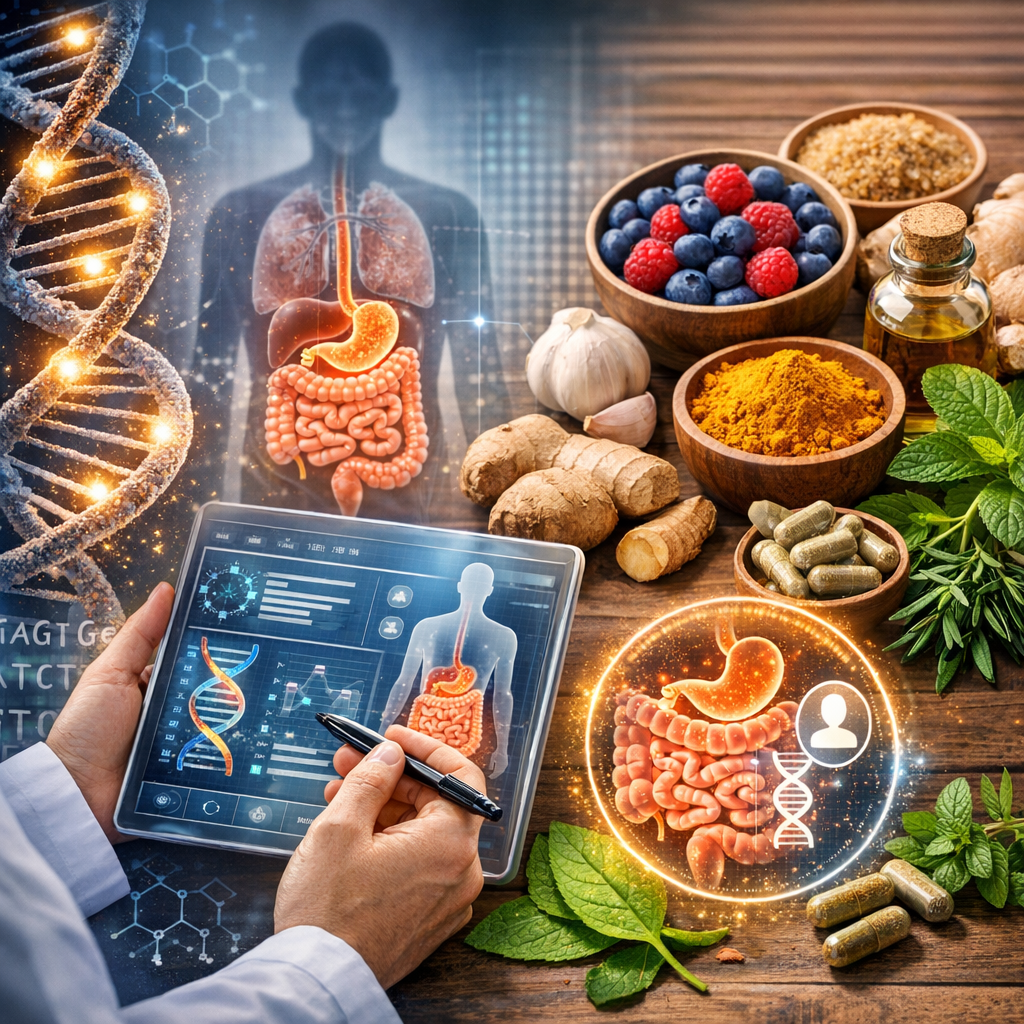
Gut health is pivotal not just for digestion but as a cornerstone for overall wellness. The microbiome—a collection of trillions of bacteria, viruses, and fungi residing in the gut—plays a crucial role in modulating numerous bodily functions. Discovering the composition and function of individual microbiomes, a process known as microbiome mapping, is pivotal for addressing gastrointestinal disorders and optimizing health interventions. By understanding the specific microbial makeup of an individual’s gut, scientists and medical professionals can devise personalized strategies to restore balance and enhance well-being.
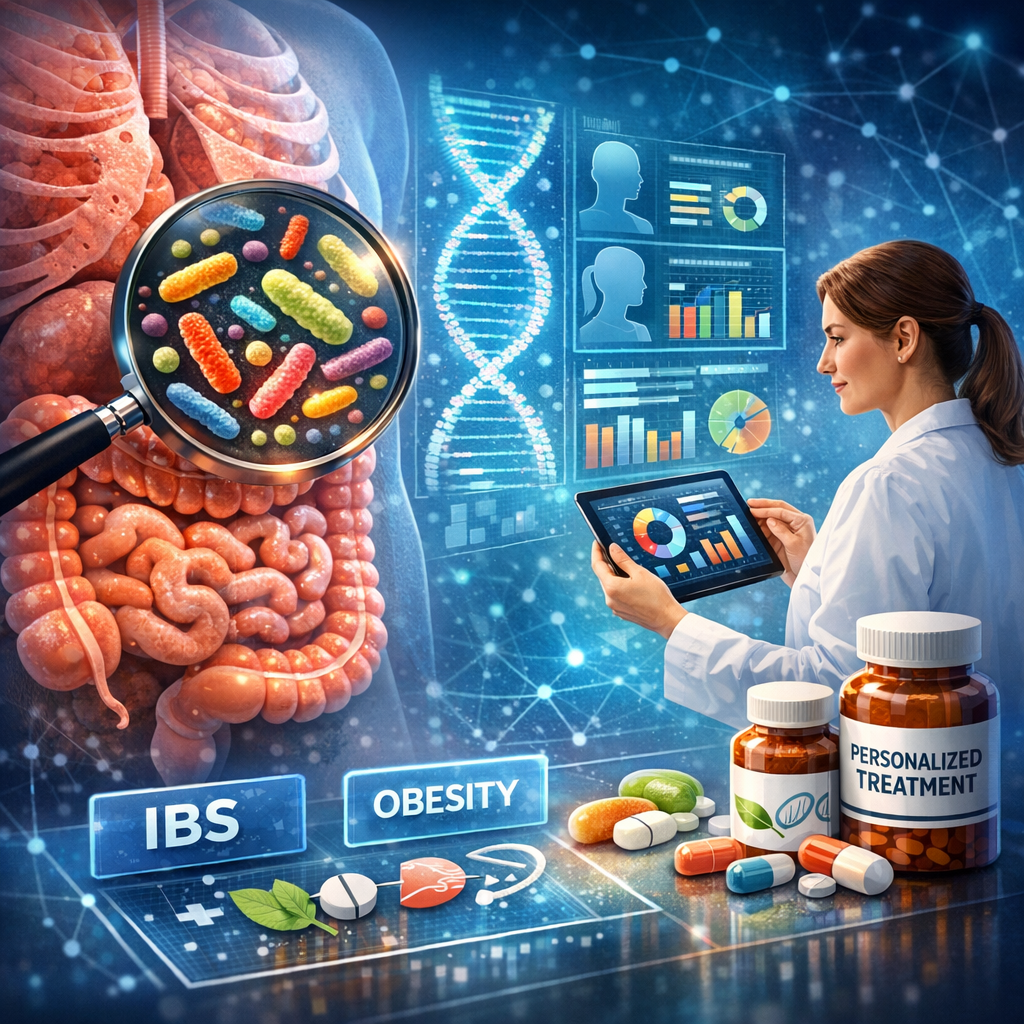
One of the cutting-edge approaches in gut health innovation is the concept of tailored therapeutics. Traditional treatments often offer generic solutions that may not address the nuanced needs of different individuals. With the power of precision medicine, treatments can now be tailored based on one’s genetic makeup, lifestyle, and specific microbiome characteristics. This personalized approach holds promise for conditions like Irritable Bowel Syndrome (IBS), Crohn’s disease, and even obesity—disorders that have long posed challenges due to their multifactorial nature.
As we explore these advancements in gut health, it’s essential to emphasize the growing repository of research underpinning these developments. Large-scale studies and collaborative research initiatives are underway, yielding insights that drive the microbial-based interventions of tomorrow. These advances are not merely theoretical; they are gradually translating into clinical practice, offering hope for more effective and targeted treatments for gut-related ailments.
Features: Professional and Medical Studies on Gut Health Innovations
The exploration of the human microbiome is a testament to how genomics and big data are transforming medicine. Notable studies continue to emphasize the nuanced role that gut bacteria play in health and disease. According to research published in [“Nature”](https://www.nature.com/hmp), the Human Microbiome Project (HMP) has laid the groundwork by cataloging diverse microbial species, thereby enabling a more precise understanding of the microbiome’s functions.
A pivotal study in [“Cell Host & Microbe”](https://www.cell.com/cell-host-microbe) highlighted the therapeutic potential of fecal microbiota transplants (FMT), a form of microbiome therapy that involves transferring complex microbial communities from healthy donors to patients. This treatment has shown impressive results in the management of recurrent Clostridium difficile infections and is being investigated for broader applications.
Moreover, researchers are exploring the gut-brain axis—a bidirectional communication pathway between the gut and brain—as a target for innovative treatments. A study published in [“Psychological Medicine”](https://www.cambridge.org/core/journals/psychological-medicine) correlates changes in gut microbiota with mental health conditions, thereby opening avenues for probiotic and prebiotic interventions to alleviate symptoms such as anxiety and depression.
The advent of metagenomics, which involves sequencing the genetic material of microbial communities, is another game-changer. This technology allows researchers to predict how individuals might respond to specific treatments, facilitating more personalized and effective therapeutic approaches. For instance, the [“American Journal of Gastroenterology”](https://journals.lww.com/ajg/pages/default.aspx) reported that altering the microbiome’s composition through diet and lifestyle changes yielded significant improvements in patients with inflammatory bowel disease.
These studies collectively underscore the revolution in gut health, with therapies now being developed on the principles of individuality and specificity to complement traditional practices.
Conclusion
The synergy of microbiome mapping and tailored therapeutics heralds a new era in gut health that promises personalized and effective treatment strategies. As we continually unravel the mysteries of the gut microbiome, it is evident that these innovations will fundamentally transform healthcare, offering hope and healing for a myriad of conditions linked to gut health. Embracing these scientific advancements will require collaboration across disciplines, yet their potential to revolutionize our approach to health and wellness is vast and promising, setting the stage for a future where our microbial allies play a central role in the pursuit of optimal health.
Concise Summary
The revolution in gut health marks a shift toward personalized medicine through innovations in microbiome mapping and tailored therapeutics. Understanding individual microbiome compositions allows for personalized treatment strategies, crucial for managing conditions like IBS and Crohn’s disease. Advances in genomics, metagenomics, and fecal microbiota transplants offer transformative insights into gut health, shifting traditional views. Collaborative research substantiates these insights, enabling advanced, targeted therapies aimed at enhancing overall well-being. As scientific and medical communities continue to explore these frontiers, the promise of optimized, individualized gut health interventions becomes increasingly attainable.