Decoding Gut Intelligence: How the Microbiome Communicates with Your Organ Systems
Introduction
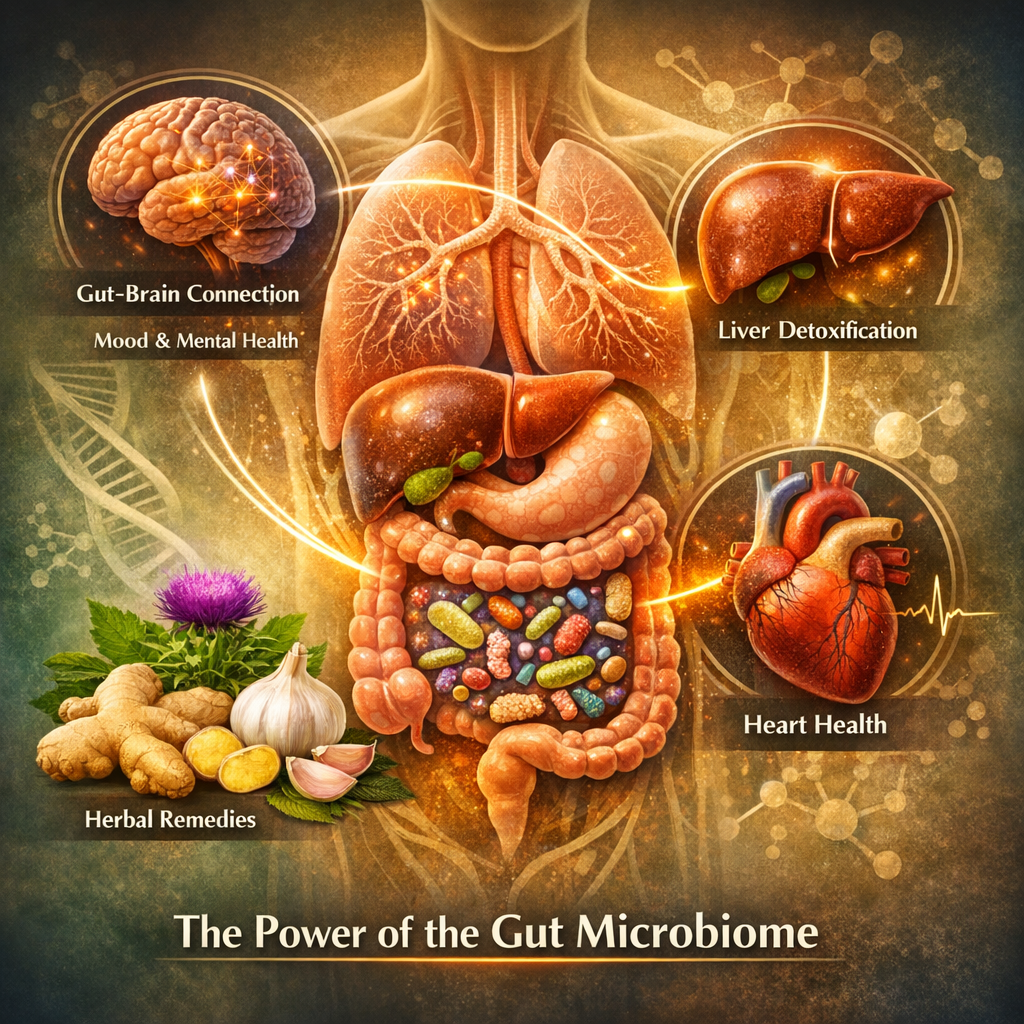
In recent years, the microbiome has captured the interest of both scientists and health enthusiasts, appearing as a key player in our overall health and well-being. Often dubbed our “second brain,” the gut is home to trillions of microorganisms that not only aid in digestion but also play a crucial role in immune function, mood regulation, and even chronic disease prevention. Understanding how the gut communicates with other organ systems can unlock unprecedented avenues for natural treatments and herbal cures for gut health.
Another key area of interest is the gut-liver axis, which highlights how the microbiome processes lipids and detoxifies harmful substances to protect the liver. Studies show that the gut-heart axis contributes to cardiovascular health by regulating blood pressure and cholesterol levels. The gut also impacts the immune system by providing “training” for immune cells and regulating immune responses.
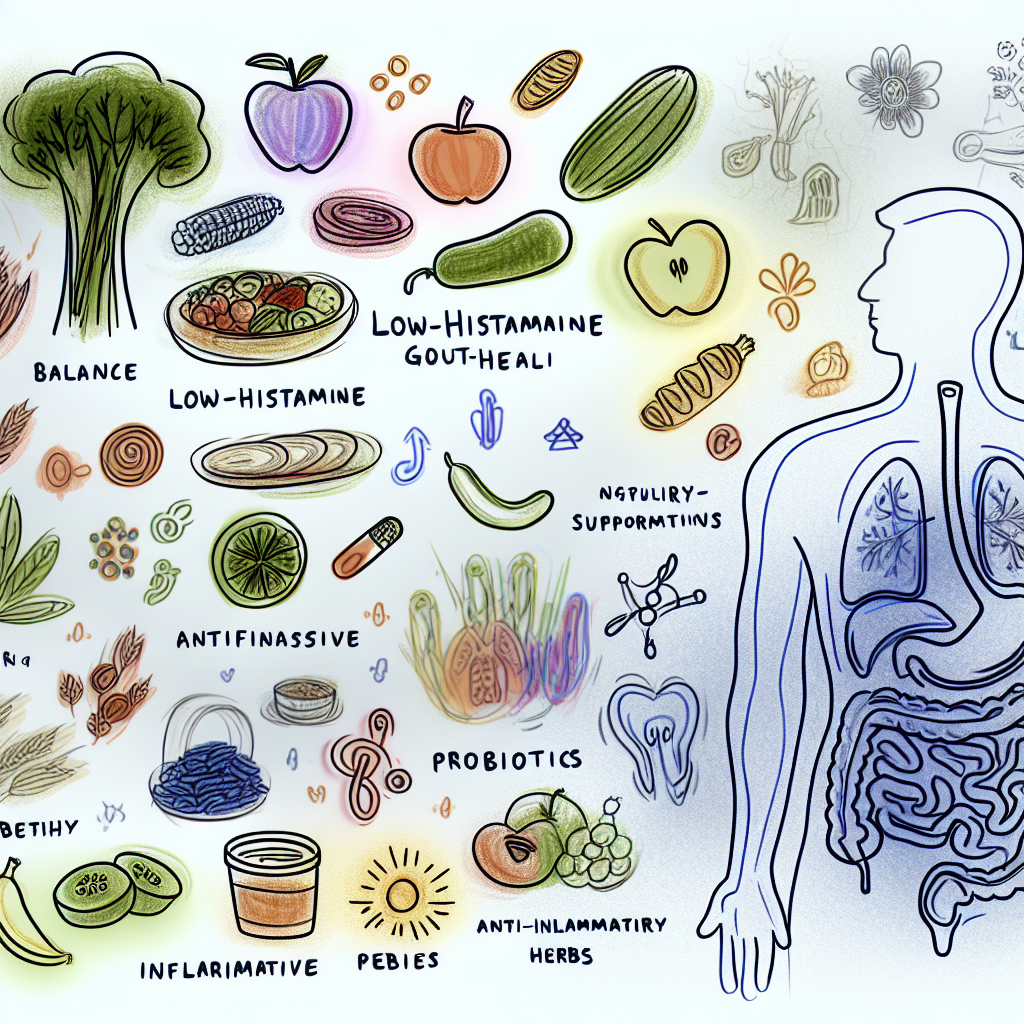
As we explore the microbiome further, the potential for using herbal treatments to bolster gut health becomes increasingly promising. Traditional medicine offers valuable insights into the use of herbs like ginger, peppermint, turmeric, and garlic for gut health. These herbs support the growth of beneficial gut bacteria, soothe the digestive system, and reduce inflammation.
Given this expansive impact, decoding the microbiome’s intricate communication network is crucial for optimizing gut health naturally. By understanding this sophisticated system, we can make informed choices about diet, lifestyle, and herbal supplementation tailored to individual needs.
Features
Research into the microbiome’s role in human health is advancing rapidly. Several landmark studies highlight how it communicates with various organ systems.
One study published in the journal [Nature Microbiology](https://www.nature.com/articles/nmicrobiol1210) discusses the gut-brain axis and its influence on neurological disorders like depression and anxiety. The research suggests that an imbalance in gut bacteria, often due to poor diet or stress, can exacerbate mental health disorders by altering the production of neurotransmitters in the gut.
A paper in [The Lancet Gastroenterology & Hepatology](https://www.thelancet.com/journals/langas/article/PIIS2468-1253(19)30156-1) delves into the gut-liver axis, highlighting how microbial metabolites help in the synthesis and regulation of bile acids, crucial for lipid digestion and detoxification. The study highlights herbs like milk thistle, known for liver-protective properties, which may influence gut-liver communication.
The [Journal of Cardiovascular Development and Disease](https://www.mdpi.com/journal/jcdd) reported on the gut-heart axis, focusing on how gut microbiota affects cardiovascular health. The research underscores that probiotics and prebiotic-rich diets can lower cholesterol and blood pressure, reducing the risk of heart disease. Herbs like hawthorn and garlic support heart health and improve circulation, finding a place in gut-heart axis discussions.
These scientific advances mark a shift towards exploring natural treatments through the lens of the microbiome. Herbal remedies, when used judiciously, could complement these findings by offering holistic approaches to health that align with modern scientific understanding. Combining traditional wisdom with cutting-edge research holds the promise of unlocking the full potential of gut health and its systemic influence.
Conclusion
The growing field of microbiome research is transforming our understanding of how gut intelligence shapes systemic health. As more evidence emerges, the potential to harness natural and herbal options for bolstering gut flora presents exciting opportunities for holistic treatments. By tuning into the microbial symphony playing out within us, we stand on the brink of revolutionizing healthcare approaches. The future of health could thus reside in a deeper appreciation and integration of our gut’s communication networks, coupled with time-honored natural remedies. As we continue to decode this complex web of interactions, the path to optimal health becomes clearer, marrying the wisdom of nature with the discipline of science.
Concise Summary
The microbiome, often called our “second brain,” plays a vital role in gut health and overall well-being by influencing various organ systems such as the brain, liver, heart, and immune system. Through the gut-brain, gut-liver, and gut-heart axes, the microbiome impacts mental health, lipid digestion, cardiovascular health, and immune responses. Recent studies highlight how imbalances in gut bacteria can exacerbate mental health disorders, affect lipid digestion and detoxification, and influence cardiovascular health. The integration of herbal remedies like ginger, peppermint, turmeric, and garlic with modern scientific findings offers promising natural approaches for optimizing gut health.