Harnessing the Gut-Immune Connection: Breakthrough Strategies for Autoimmune Recovery
Introduction
The intricate relationship between the gut and the immune system has become a significant focus in the study of autoimmune diseases, where the immune system mistakenly attacks the body’s own tissues. These diseases include rheumatoid arthritis and inflammatory bowel diseases like Crohn’s and ulcerative colitis. By understanding the gut-immune connection, researchers are exploring avenues for natural interventions to restore balance and promote healing.
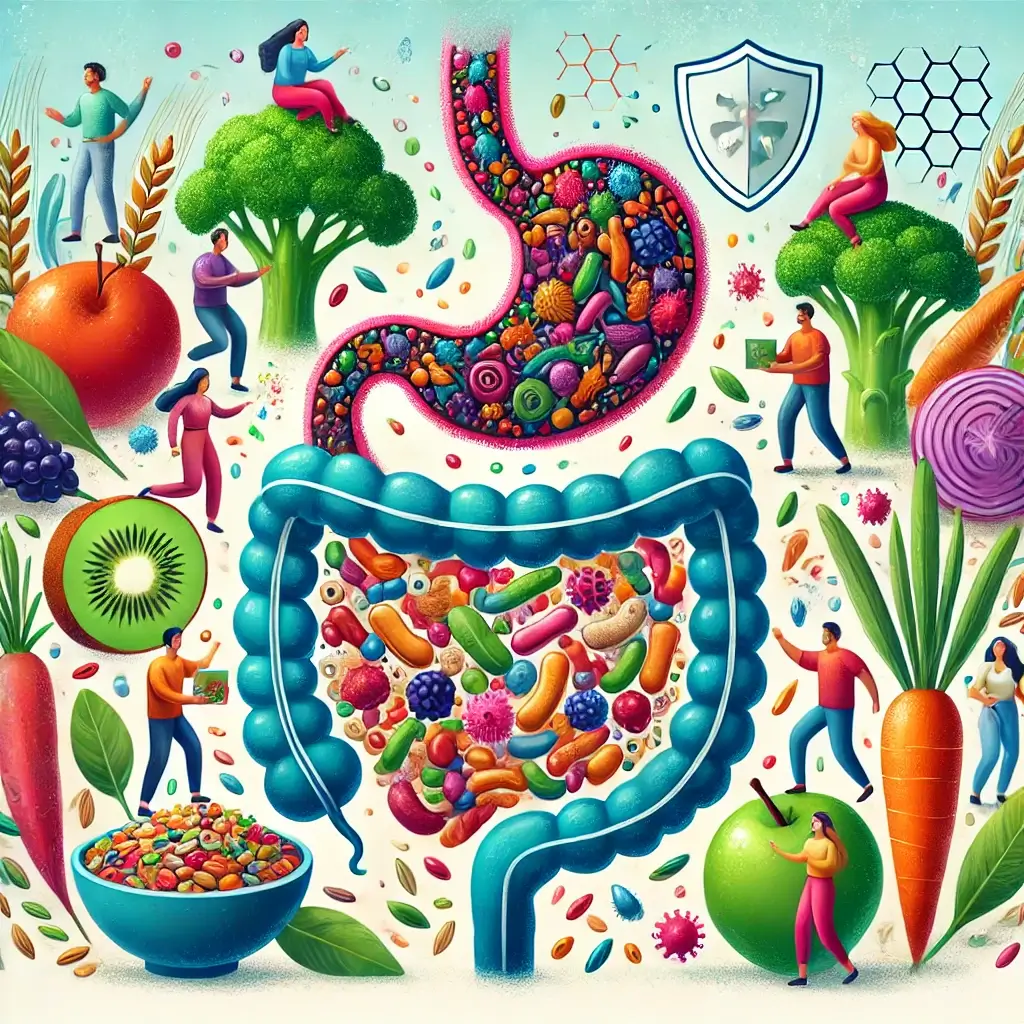
The human gut hosts trillions of microorganisms, collectively known as the gut microbiome, which play essential roles in digestion and immune system modulation. Dysbiosis—an imbalance in gut microbiota—is often observed in individuals with autoimmune conditions, leading to increased intestinal permeability, or ”leaky gut”. This condition allows antigens to enter the bloodstream and trigger immune responses.
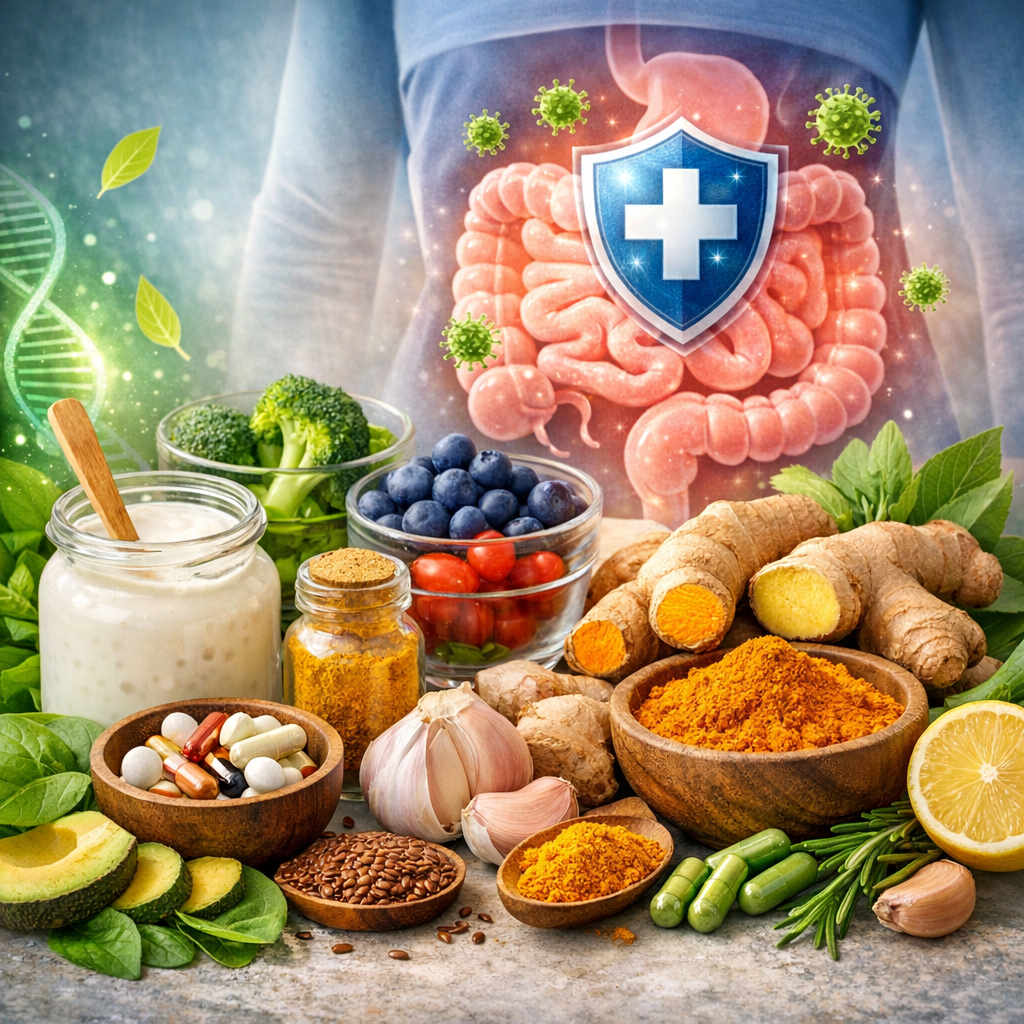
Natural and herbal strategies that target gut health, such as probiotics, prebiotics, and specific dietary changes, show promise in managing autoimmune diseases. Probiotics are beneficial bacteria that help restore microbiome balance, while prebiotics serve as food for these bacteria, promoting their growth. Dietary changes often involve increasing fiber intake and reducing inflammatory foods, which can improve gut health and immune response.
Herbal treatments also offer potential benefits. Herbs like turmeric, ginger, and licorice root have anti-inflammatory properties that can alleviate symptoms without the side effects associated with pharmaceuticals. Additionally, adaptogenic herbs like ashwagandha can help modulate the immune system and improve stress responses, crucial for individuals prone to autoimmune flares triggered by chronic stress.
Features
Recent studies highlight the profound impact of gut health on the immune system. A study published in the journal [*Immunity*](https://www.cell.com/immunity) explored how specific gut bacteria influence immune cell function in the intestines. Researchers discovered that beneficial bacteria can instruct immune cells to produce anti-inflammatory cytokines, molecules that help control immune responses and prevent excessive inflammation—a hallmark of autoimmune diseases. This underscores the importance of maintaining a balanced gut microbiome for optimal immune function.
Another illuminating study, published in [*Nature Reviews Gastroenterology & Hepatology*](https://www.nature.com/nrgastro), examined the role of diet in modulating the gut microbiota and its impact on autoimmune conditions. It was noted that a high-fiber diet rich in diverse plant-based foods supports the growth of healthy gut bacteria, which in turn produce short-chain fatty acids (SCFAs). SCFAs enhance the gut lining’s barrier function, preventing unwanted particles from triggering immune responses.
Additionally, research featured in the [*Journal of Clinical Immunology*](https://www.springer.com/journal/10875) investigated the benefits of specific herbs for autoimmune conditions. Turmeric, renowned for its active compound curcumin, has anti-inflammatory and antioxidant properties, with clinical trials showing its efficacy in reducing symptoms of rheumatoid arthritis and other inflammatory diseases. Similarly, ginger has been reported to reduce inflammatory markers and improve gut health by aiding digestion.
These studies collectively highlight the potential of natural and herbal interventions to support immune function by fostering a healthy gut environment. A balanced gut microbiome minimizes inflammation and recalibrates the immune system’s responses, reducing the likelihood of autoimmunity.
Conclusion
The gut-immune connection is increasingly recognized as key to understanding and managing autoimmune conditions. By focusing on natural strategies that enhance gut health, such as probiotics, dietary modifications, and herbal treatments, we can potentially influence immune function and mitigate autoimmune diseases. While these approaches may not replace conventional treatments, they offer complementary benefits enhancing quality of life. For those seeking natural solutions, prioritizing gut health could be a promising avenue for recovery and sustainable well-being.
Concise Summary:
The relationship between the gut and immune system is crucial in managing autoimmune diseases like rheumatoid arthritis and Crohn’s disease. Probiotics, prebiotics, and dietary changes, including high-fiber diets, can enhance gut health and immune response. Herbal remedies like turmeric and ginger offer additional benefits. Recent studies from journals like [*Immunity*](https://www.cell.com/immunity) and [*Nature Reviews Gastroenterology & Hepatology*](https://www.nature.com/nrgastro) reveal the importance of gut microbiota in producing anti-inflammatory agents. These natural strategies offer potential alongside conventional treatments for autoimmune recovery and improved quality of life.