The Future of Gut Health: Decoding the Gut-Immune Interface for Chronic Disease Revolution
The human gut is home to trillions of microorganisms, which together form a complex and dynamic community known as the gut microbiota. This community plays a pivotal role in our overall health, influencing not just the digestion and absorption of nutrients but also the regulation and function of the immune system. Over the past few decades, the scientific community has increasingly recognized the importance of the gut-immune interface and its potential in managing and even preventing chronic diseases. This intersection is seen as a revolutionary aspect of understanding health, as chronic diseases such as inflammatory bowel disease, obesity, diabetes, and even mental health disorders have been linked to imbalances within this system. By decoding the complex interactions between the gut and the immune system, we can unveil new pathways for natural therapies and herbal treatments that could transform health care.
Expand on the Role of the Gut:
The gut acts as a critical gatekeeper, discerning between harmful pathogens and beneficial microbes—allowing for a regulated response from the immune system. It communicates constantly with the immune system to maintain a delicate balance. This communication occurs through various biological pathways, one of which involves the gut-associated lymphoid tissue (GALT). The GALT is a major player in the immune system’s ability to detect and respond to microbial antigens. Without this interaction, maintaining homeostasis and defending against pathogens becomes challenging. Research also suggests that the gut’s ability to maintain this balance can affect autoimmune conditions and allergies, potentially opening new avenues for therapeutic interventions.
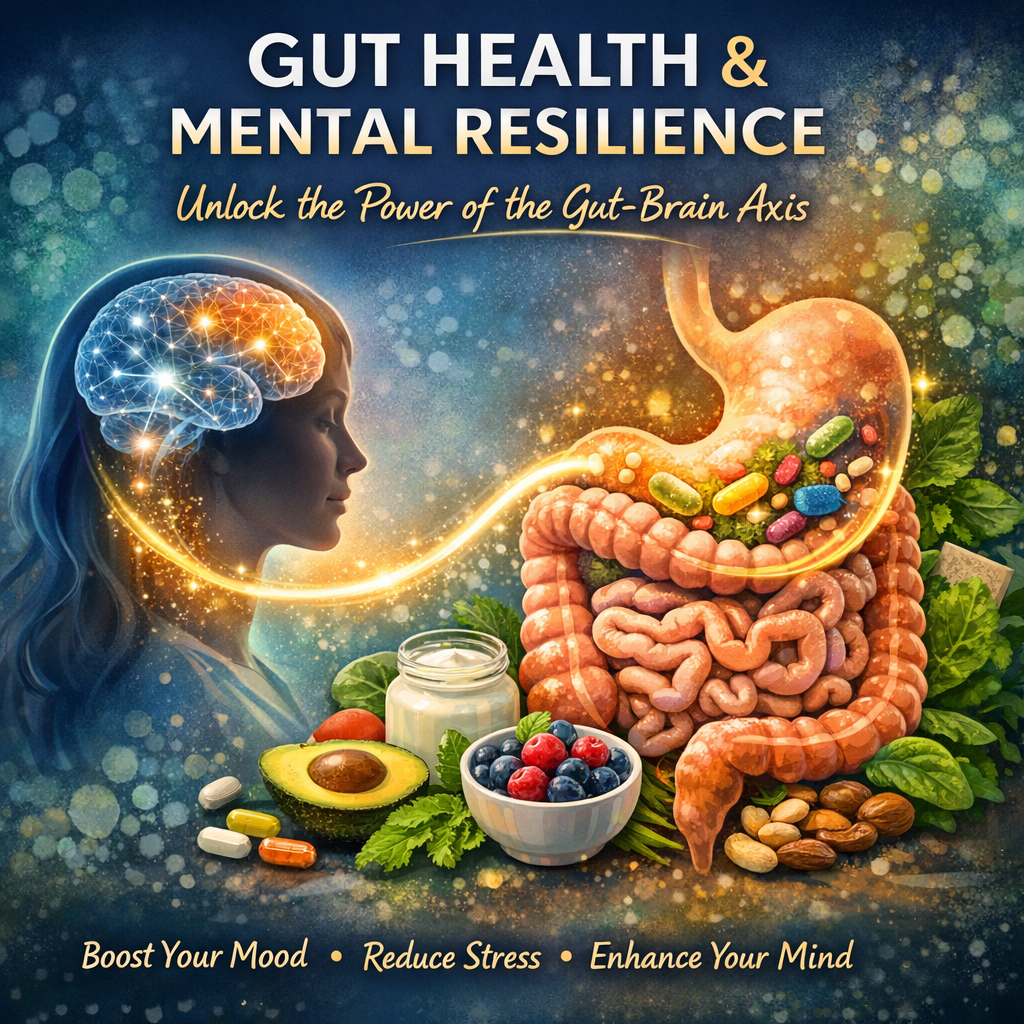
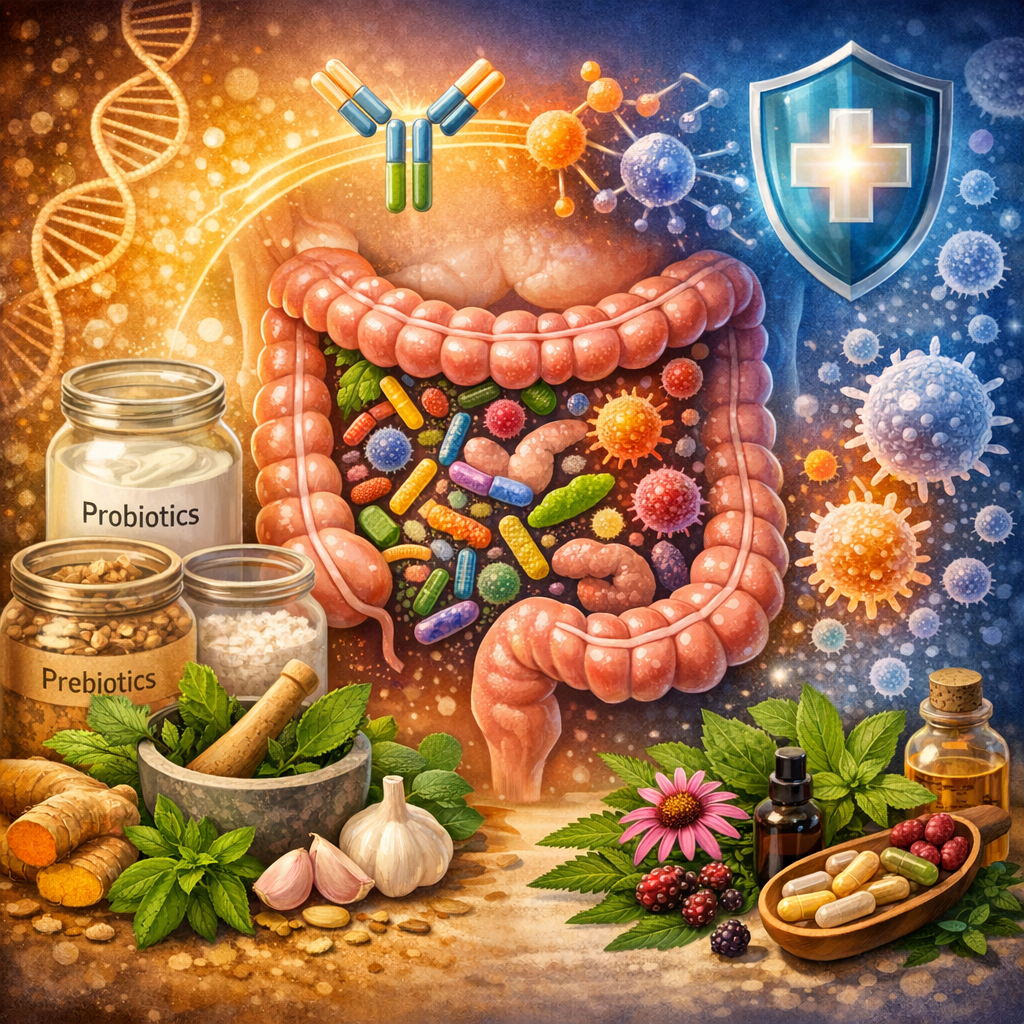
Natural treatments and herbal remedies hold promising potential in modulating the gut-immune axis. Substances such as prebiotics and probiotics have been widely studied for their roles in promoting a healthier gut microbiome. Prebiotics are non-digestible fibers found in foods like garlic, onions, and bananas, which serve as food for beneficial gut bacteria. Probiotics, found in fermented foods like yogurt and sauerkraut, introduce beneficial bacteria into the gut.
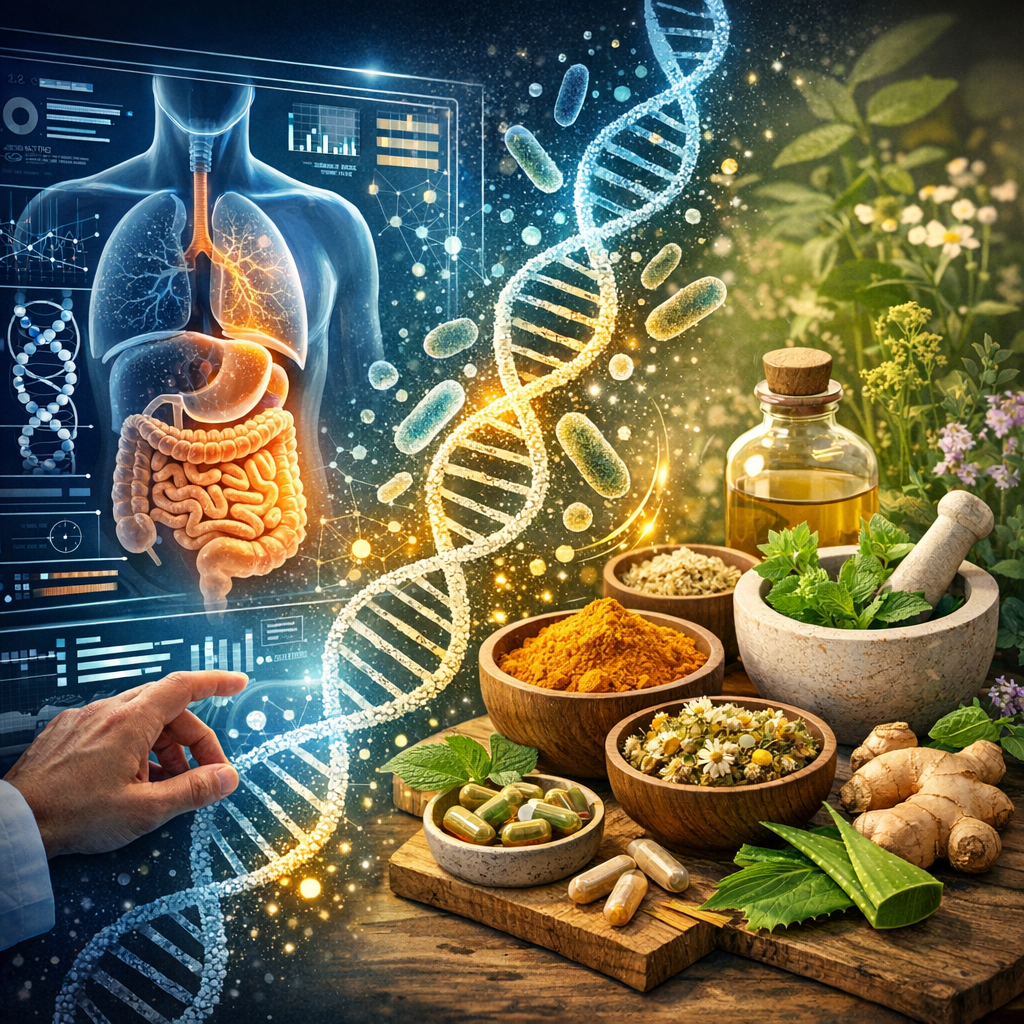
Herbs such as slippery elm, marshmallow root, and licorice root are celebrated in herbal medicine for their soothing effects on the digestive tract and their ability to reduce inflammation. The prospect of leveraging these natural solutions to enhance gut health and modulate immune responses is at the forefront of current research, aiming to address chronic conditions perhaps with fewer side effects compared to conventional treatments.
Features
Several professional and medical studies have explored the impact of the gut-immune interface on chronic disease. A pivotal study published in [Nature Reviews Gastroenterology & Hepatology](https://www.nature.com/nrgastro/) emphasized the gut microbiome’s influence on the immune system. Researchers found that specific strains of gut bacteria could influence immune cell maturation and function, which has implications for autoimmune diseases and allergies.
In a controlled trial featured in the [British Journal of Nutrition](https://www.cambridge.org/core/journals/british-journal-of-nutrition), researchers examined the effects of prebiotic supplementation on individuals with inflammatory bowel disease (IBD). The study revealed significant improvement in gut microbiota composition, highlighting the potential to manage symptoms through dietary interventions.
Moreover, a study using an herbal extract blend involving licorice root and marshmallow root in mice models demonstrated a significant reduction in gut inflammation, as published in the [Journal of Medicinal Food](https://www.liebertpub.com/journal/jmf). The study underscores the potential for herbal therapies to alleviate gut-associated symptoms and its feasibility to influence the immune response.
Additionally, probiotics have been studied in mental health contexts. A meta-analysis in [Psychiatry Research](https://www.journalpsychres.com/) suggests that probiotics can reduce symptoms of depression and anxiety, hinting at the gut-brain connection and its relation to immune function.
Conclusion
Decoding the gut-immune interface represents a promising frontier for revolutionizing the prevention and treatment of chronic diseases. Through understanding these complex dynamics, we open the doors to innovative natural therapies and herbal treatments that are more aligned with holistic health. By continuing to explore this intersection, and coupling traditional wisdom with modern science, we may find solutions that not only treat symptoms but address root causes, reducing dependency on pharmaceuticals and enhancing overall wellness. As research progresses, the potential for a paradigm shift in chronic disease management expands, offering hope for improved quality of life through nurtured gut health.
Concise Summary
Understanding the gut-immune interface is crucial for advancing the prevention and treatment of chronic diseases such as inflammatory bowel disease, obesity, and mental health disorders. By exploring the interaction between the gut microbiota and the immune system, novel natural therapies and herbal treatments may enhance health care outcomes. Current research highlights pathways for reducing gut inflammation and improving mental health through prebiotics, probiotics, and herbal remedies, potentially with fewer side effects. This evolving research has the potential to shift chronic disease management toward more holistic and effective strategies.