Metal Detoxification Support for the Gut: Using Specific Fibers and Alginates to Bind and Remove Toxins
Introduction
In our modern world, exposure to **heavy metals** like **lead**, **mercury**, and **cadmium** is almost unavoidable. These **toxic substances** can infiltrate our bodies through various sources, including **pollution**, certain foods, and even household items. Over time, the accumulation of heavy metals can lead to **health issues**, particularly affecting the gut. The gut, often called the body’s “second brain,” plays a pivotal role in our overall health. Maintaining its optimal function is integral not only to digestion but also to immunity and even mental wellness.
The concept of **metal detoxification** has garnered significant attention, particularly for those who seek natural methods to enhance their health. Integral to this approach is the idea of binding and removing toxic metals from the gut before they inflict damage. Recent research has focused on natural agents like specific **dietary fibers** and **alginates** as effective methods in metal detoxification.
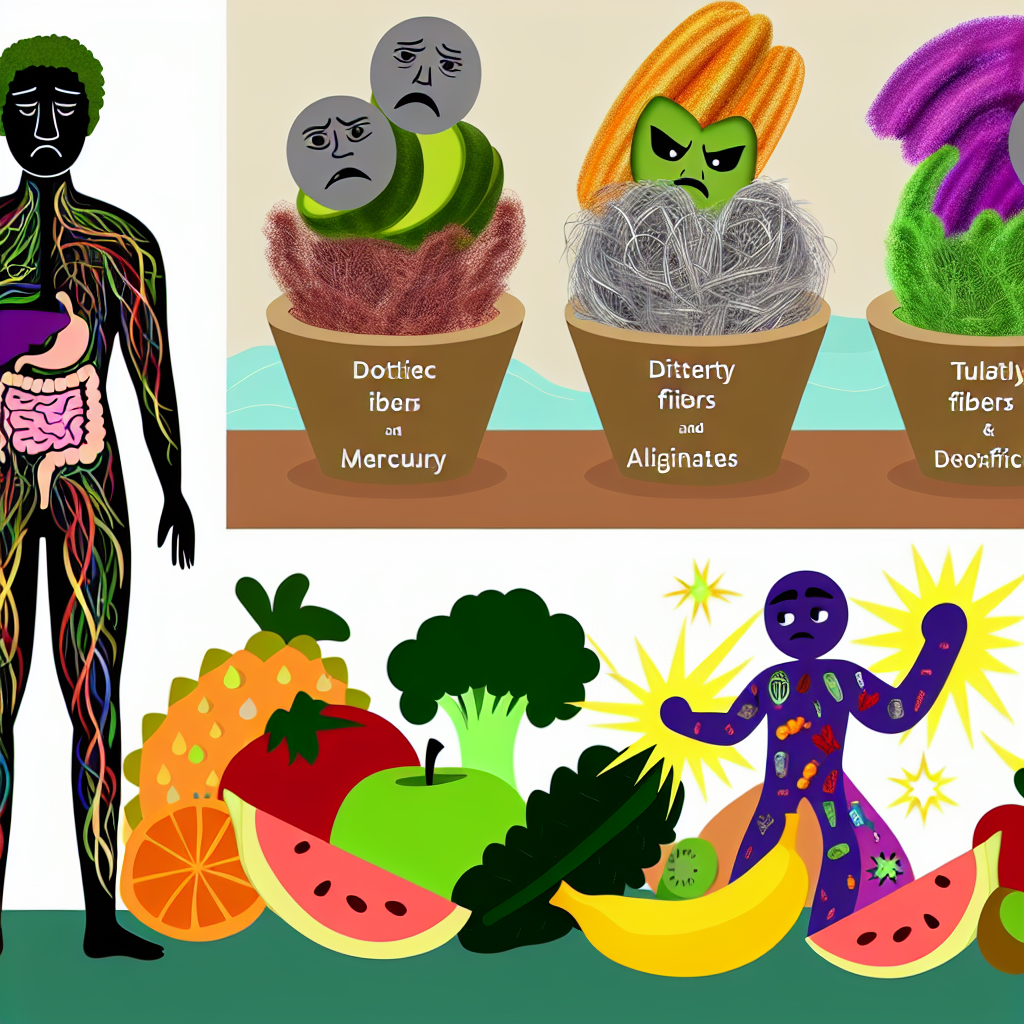
**Dietary fibers**, which are primarily found in fruits, vegetables, and grains, not only aid in **digestion** but have shown promise in adsorbing heavy metals. Meanwhile, **alginates**, derived from the cell walls of **brown algae**, have been demonstrated to have strong binding properties for heavy metals. These natural compounds work in the digestive tract to latch onto toxins and facilitate their removal from the body. By focusing on these natural binding agents, individuals can support a healthier gut environment and reduce the adverse effects associated with metal toxicity.
As we navigate through the complexities of maintaining gut health in a toxin-laden world, the exploration of natural fibers and alginates provides a hopeful pathway. Emphasizing their potential can not only reinforce traditional detoxification methods but also offer an integrative approach to holistic wellness.
Features
Research into the use of **dietary fibers** and **alginates** for metal detoxification is burgeoning, with promising results that advocate their efficacy. Several studies highlight the beneficial aspects of these compounds. For instance, a study published in the journal *Food Chemistry* explored the binding capacity of **pectin**, a type of soluble fiber found in *citrus fruits*. This study demonstrated that pectin can effectively adsorb lead ions, suggesting its potential in reducing lead levels in the human body. Similarly, foods high in **cellulose**, a type of insoluble fiber, have also been reported to trap heavy metals within the gastrointestinal tract, limiting their absorption into the bloodstream.
In addition to fibers, **alginates** have been widely researched for their binding properties. According to a study in the *Journal of Applied Phycology*, alginates not only bind with heavy metals like cadmium and mercury but also prevent their absorption into body tissues. This study delineates how alginates create a gel-like barrier in the gut, encapsulating the toxins, which are then excreted through the digestive tract. As a natural and non-invasive method, **alginates** offer a compelling alternative to more conventional detoxification treatments.
Moreover, a comprehensive review in the *Environmental Science and Pollution Research* journal assesses the efficacy of using alginates and dietary fibers in **chelation therapy**. The review underscores the role of these compounds in reducing the toxic burden, facilitating a gradual but steady detoxification process. The outcome is a diminished concentration of metals in the body, relieving pressure off the gut and restoring its function.
As these studies suggest, the synergy of using fibers and alginates in dietary interventions can lead to notable improvements in metal detoxification. Their inclusion in the diet as a preventive measure or as part of a broader detox program offers a strategic advantage against everyday toxin exposure.
Conclusion
The utilization of specific **fibers** and **alginates** for **metal detoxification** stands as a promising natural approach to maintaining optimal gut health. By binding and eliminating heavy metals before they can harm, these natural agents support a healthier digestive environment, bolstering our overall wellness. While research continues to unfold the full potential of these natural compounds, incorporating them into our daily lives aligns with a proactive strategy to safeguard against the perils of metal toxicity. Remaining informed and vigilant about our nutritional choices can transform the way we manage and protect our gut health in today’s environmentally complex world.
References
1. Pectin’s role in lead ion adsorption: *Food Chemistry* – [Read more on ScienceDirect](https://www.sciencedirect.com/science/article/pii/S0308814613009023)
2. Alginate’s heavy metal binding: *Journal of Applied Phycology* – [Read more on SpringerLink](https://link.springer.com/article/10.1023/A:1011130226574)
3. Dietary fibers and alginates in chelation therapy: *Environmental Science and Pollution Research* – [Read more on SpringerLink](https://link.springer.com/article/10.1007/s11356-015-5871-y)
Concise Summary
The modern world’s unavoidable exposure to *heavy metals* can impact gut health, crucial for overall wellness. Natural **metal detoxification** methods, specifically using **dietary fibers** like **pectin** and **alginates** from **brown algae**, are being researched for binding and removing these toxins effectively. These compounds show promise in adsorbing metals and preventing their absorption into body tissues, supporting gut health and reducing toxic burden. Current studies emphasize the potential of these natural agents as both preventive dietary measures and part of comprehensive detox programs, highlighting their role in maintaining a healthy gut environment.

Dominic E. is a passionate filmmaker navigating the exciting intersection of art and science. By day, he delves into the complexities of the human body as a full-time medical writer, meticulously translating intricate medical concepts into accessible and engaging narratives. By night, he explores the boundless realm of cinematic storytelling, crafting narratives that evoke emotion and challenge perspectives.
Film Student and Full-time Medical Writer for ContentVendor.com