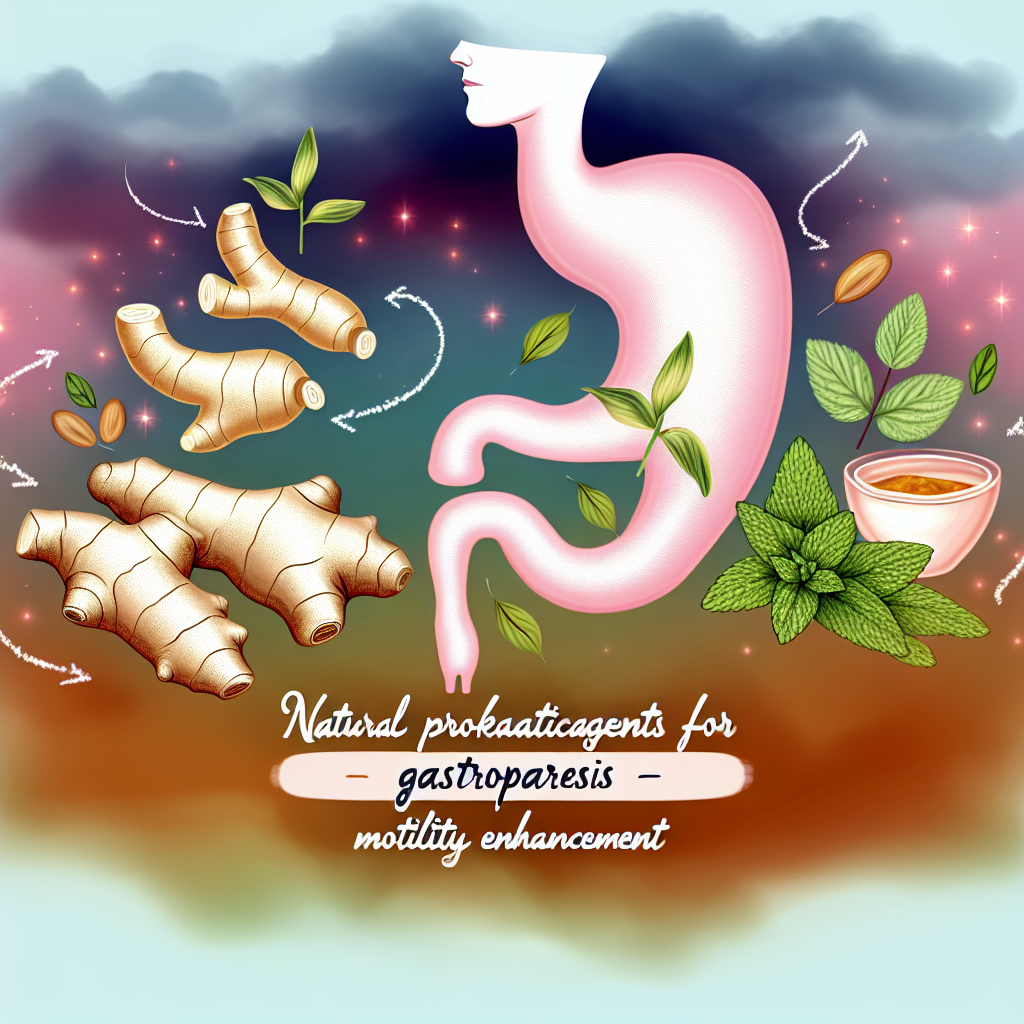
Natural Prokinetic Agents for Gastroparesis – Motility Enhancement
Introduction
Gastroparesis is a chronic gastrointestinal disorder characterized by delayed gastric emptying in the absence of an obstruction. Symptoms such as bloating, nausea, early satiety, abdominal pain, and persistent vomiting significantly disrupt daily life. While conventional prokinetics like metoclopramide and erythromycin are effective, they often carry considerable side effects, such as neurological and cardiac issues.
Growing concern over these side effects has stimulated interest in natural prokinetic agents. These are plant- or nutrient-derived compounds known to stimulate gut movement, enhance neuromuscular signaling via the enteric nervous system, and influence physiological mechanisms that regulate digestive motility.
They may act on systems like the vagus nerve, support gut microbiota, or boost the release of gut hormones like motilin and ghrelin. With the rise in gastroparesis—especially in diabetic and post-viral contexts—safe and holistic options are increasingly important.
Key contributors to gastric motility—such as the gut-brain axis, autonomic nervous system, and microbiome—can all experience dysfunction. Natural compounds are now being investigated for their roles in correcting these imbalances. Promising agents include ginger, Iberogast, L-carnitine, and artichoke extract, alongside dietary and lifestyle modifications. The integration of these natural options creates a more comprehensive strategy to manage gastroparesis.
This article explores these natural prokinetics, examining scientific research to identify effective, evidence-based therapies for gastroparesis. Understanding these options empowers patients to partner with healthcare providers on personalized, safer treatment plans.
Features and Clinical Evidence
Ginger (Zingiber officinale)
Ginger has been widely used in traditional medicine and validated by modern studies as a natural digestion aid. Clinical trials, including one in the European Journal of Gastroenterology & Hepatology, have found that ginger significantly enhances gastric emptying in patients with functional dyspepsia—a condition that shares many symptoms with gastroparesis.
Ginger works by stimulating antral contractions and activating serotonin (5-HT3) and cholinergic receptors in the gut lining. These actions support gastric motility and alleviate discomfort after meals.
Iberogast (STW-5)
Iberogast is a proprietary herbal blend combining extracts from nine medicinal plants, including Iberis amara, chamomile, and peppermint. It is often prescribed for functional gastrointestinal disorders and has demonstrated significant efficacy in improving symptoms and motility.
A randomized, placebo-controlled trial published in Alimentary Pharmacology & Therapeutics revealed its ability to relieve bloating, nausea, and delayed gastric emptying. Mechanistically, Iberogast modulates intestinal smooth muscle tone, reduces inflammation, and helps normalize nervous regulation of the digestive tract.
L-Carnitine and Acetyl-L-Carnitine
L-Carnitine is an amino acid derivative essential for energy metabolism. In the context of diabetic gastroparesis, autonomic nerve damage can lead to delayed gastric emptying. L-Carnitine and its acetylated form support nerve conductivity, promote mitochondrial function in smooth muscle cells, and enhance gastric accommodation.
A study in Clinical Therapeutics found that L-carnitine supplementation improved gastric motility and reduced symptoms like fullness and nausea in diabetic patients with neuropathy—suggesting it may reverse or mitigate neurological contributors to gastric dysfunction.
5-Hydroxytryptophan (5-HTP)
5-HTP is a naturally occurring amino acid and a direct precursor to serotonin—a key neurotransmitter that regulates gut motility. In gastroparesis, low serotonin production may contribute to slowed peristalsis.
Animal studies and some early clinical reports indicate 5-HTP may help improve motility by boosting internal serotonin levels, especially where levels are deficient. Though more human trials are needed, its role in supporting the enteric nervous system makes it a candidate for further exploration.
Probiotic Strains with Prokinetic Effects
Targeting the gut microbiome may influence both digestive regularity and motility. Specific probiotic strains such as Lactobacillus reuteri and Bifidobacterium lactis have shown utility in enhancing gut movement.
A pilot study in Neurogastroenterology & Motility found improved bloating and dyspepsia symptoms after probiotic use, likely due to these strains’ influence on neuronal signaling in the gut. Restoring microbial balance can be especially useful when dysbiosis is implicated in gastroparesis.
Artichoke Leaf Extract (Cynara scolymus)
Artichoke leaf extract contains compounds that stimulate bile production and support digestion. In addition to liver and gallbladder effects, research indicates it also improves gastric emptying and reduces gastrointestinal discomfort.
A study published in Phytomedicine demonstrated its ability to significantly reduce symptoms like bloating and early satiety. Artichoke extract may also support the gut-liver axis and inflammation control, complementing its prokinetic action.
Conclusion
Natural prokinetic agents offer a gentle, promising approach to enhancing digestive motility in individuals with gastroparesis. Supported by traditional wisdom and modern studies, compounds like ginger, Iberogast, L-carnitine, and probiotics address key physiological imbalances without the side effects associated with conventional drugs.
Though more extensive human trials are needed to refine dosing and clarify efficacy, these agents represent valuable supplements or alternatives within a broader, integrative treatment strategy. Patients should always consult with healthcare professionals before initiating any supplement protocol, especially those with chronic conditions or on existing medications. A tailored approach that combines natural agents, clinical care, and lifestyle changes gives people with gastroparesis the best chance at symptom relief and improved quality of life.
Concise Summary
Natural prokinetic agents like ginger, Iberogast, L-carnitine, and certain probiotics show promise in improving delayed gastric emptying and alleviating symptoms of gastroparesis. These plant- and nutrient-based therapies act on various systems, including the vagus nerve, serotonin pathways, and gut microbiota. While more standardized research is needed, early findings and traditional use suggest they can be effective, well-tolerated alternatives or complements to conventional medications. Always consult a healthcare provider prior to use for proper integration into a holistic gut health plan.
References
– Ginger Improves Gastric Emptying in Functional Dyspepsia
– Iberogast Efficacy in Gastrointestinal Disorders
– Effects of L-Carnitine on Diabetic Gastroparesis
– Probiotics and Gastrointestinal Motility
– Artichoke Extract and Functional Dyspepsia

Dominic E. is a passionate filmmaker navigating the exciting intersection of art and science. By day, he delves into the complexities of the human body as a full-time medical writer, meticulously translating intricate medical concepts into accessible and engaging narratives. By night, he explores the boundless realm of cinematic storytelling, crafting narratives that evoke emotion and challenge perspectives.
Film Student and Full-time Medical Writer for ContentVendor.com