The Gut’s Hidden Blueprint: How Interdisciplinary Protocols Can Transform Chronic Digestive Health
The complexity and importance of gut health have received significant attention in the medical field in recent years. Beyond digestion, the gut plays a critical role in overall health, influencing everything from the immune system to mental well-being. This paradigm shift highlights how we understand and treat chronic digestive issues, such as irritable bowel syndrome (IBS), Crohn’s disease, and other inflammatory bowel conditions. Traditional approaches rely heavily on medication and dietary adjustments, but there is a growing interest in more holistic, interdisciplinary protocols that integrate natural and herbal treatments.
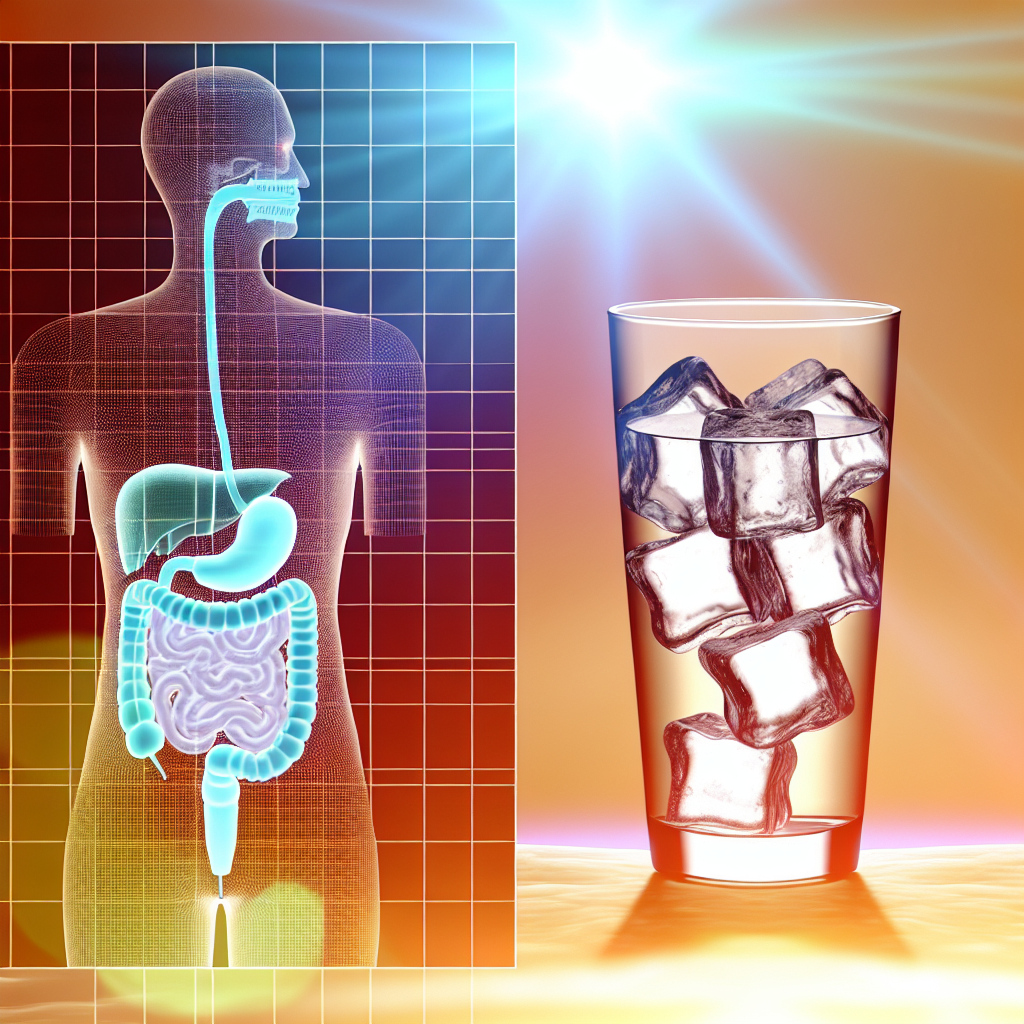
The gut is often referred to as the body’s second brain due to its intricate network of neurons, technically known as the enteric nervous system. This neural complex communicates with the brain, impacting mood, stress levels, and overall health. Disruptions in gut health can lead to symptoms like bloating, pain, fatigue, and even cognitive dysfunction. As science delves deeper into the gut-brain axis, it becomes increasingly important to seek treatments that address the gut in all its complexity, rather than just managing symptoms.
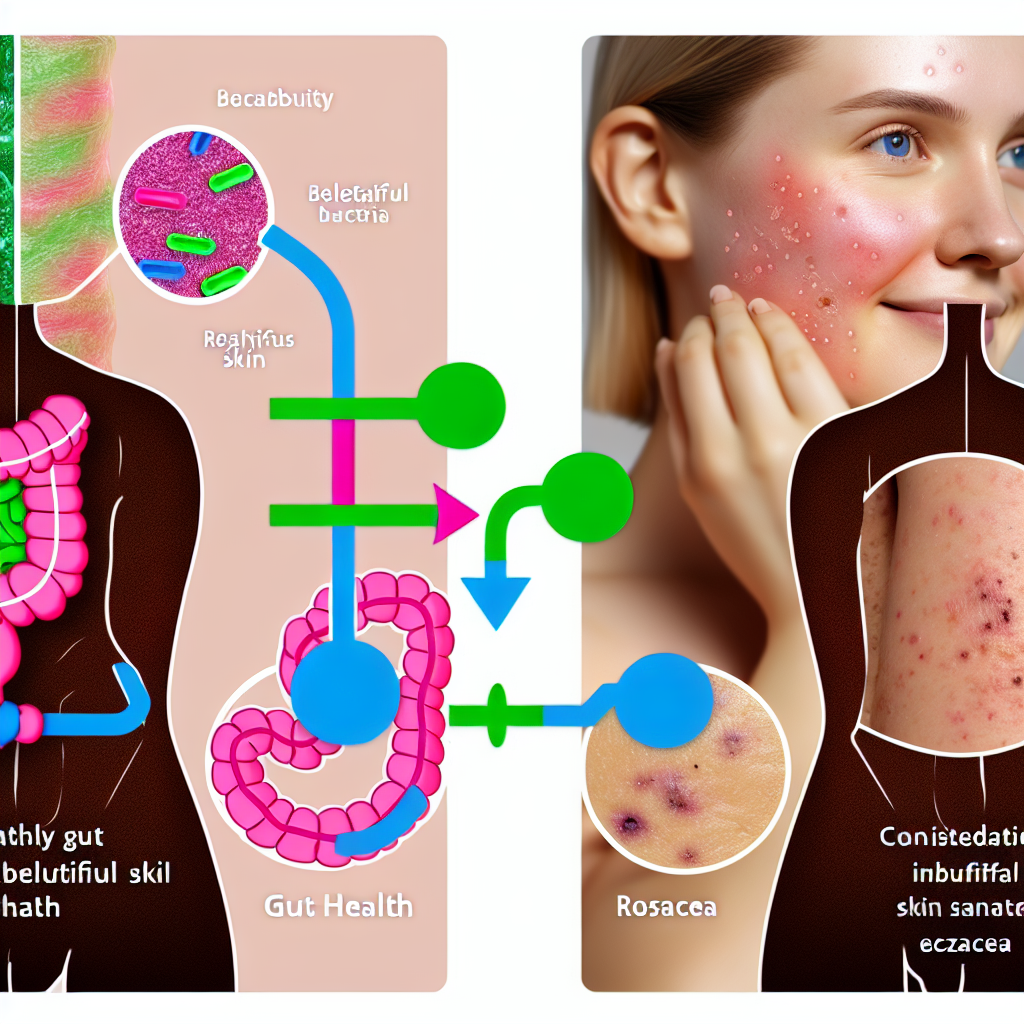
Natural cures and herbal treatments are gaining attention for their potential to support gut health. Probiotics and prebiotics found in fermented foods can enhance the gut microbiome, the community of bacteria living in our intestines, by promoting a balanced and robust microbial environment. Herbs like ginger and peppermint have medicinal properties that can soothe inflammation and enhance digestion, while turmeric, known for its anti-inflammatory capabilities, can aid in calming the gut lining.
Incorporating multiple disciplines—ranging from nutritional science to phytomedicine—opens the door to personalized treatment plans that can vastly improve the quality of life for individuals with chronic digestive issues. As we continue to explore these natural therapeutic avenues, it becomes apparent how essential it is to integrate these methods into a broader treatment protocol for effective long-term gut health management.
Features: Promising Studies and Developments
Scientific studies are increasingly validating the efficacy of natural and herbal treatments in managing chronic digestive health. For example, a 2019 review published in the “[Journal of Gastroenterology and Hepatology](https://onlinelibrary.wiley.com/journal/14401746)” evaluated clinical trials focused on probiotics and their role in treating IBS. The findings suggest significant improvements in reducing symptoms like bloating and abdominal pain, recommending probiotics as a viable option for IBS management.
Another study published in the “[World Journal of Gastroenterology](https://www.wjgnet.com/1007-9327/)” explored the anti-inflammatory properties of turmeric in treating ulcerative colitis, demonstrating that patients who incorporated turmeric into their treatment regimen experienced reduced symptoms and fewer disease flare-ups. This highlights the potential of curcumin, turmeric’s active compound, not only as an adjunct therapy but as a possible natural alternative to traditional medication.
Herbal medicine is also making strides in gut health research. A study published in ”Phytotherapy Research” investigated the use of peppermint oil capsules in patients with IBS. Results showed a significant reduction in symptoms compared to the placebo group, reinforcing peppermint’s role as an antispasmodic agent that can relax gut muscles and alleviate discomfort.
Furthermore, interdisciplinary studies are examining how *lifestyle factors*, such as stress management and physical exercise, can facilitate gut health. A paper in the “[American Journal of Gastroenterology](https://journals.lww.com/ajg/pages/default.aspx)” suggests that stress-reducing techniques like mindfulness and yoga may support gut health by modulating the gut-brain axis, reducing stress-induced digestive issues.
These studies underscore the potential of a comprehensive approach that marries traditional medicine with natural therapies to create a robust treatment plan for chronic digestive health issues. As the body of research expands, so too does the understanding of how various natural interventions can be integrated to offer relief and support.
Conclusion: A Holistic Path Forward
As research into gut health continues to evolve, it’s clear that an interdisciplinary approach offers a promising path forward for those suffering from chronic digestive issues. By incorporating natural cures and herbal treatments into conventional protocols, we can address the root of gut health challenges rather than merely treating symptoms. With science backing the efficacy of such strategies, patients have the potential to achieve not only relief from their symptoms but also improved overall well-being.
References and further reading:
1. [Journal of Gastroenterology and Hepatology: Probiotics in IBS](https://onlinelibrary.wiley.com/journal/14401746)
2. [World Journal of Gastroenterology: Curcumin in Ulcerative Colitis](https://www.wjgnet.com/1007-9327/)
3. [Phytotherapy Research: Peppermint Oil in IBS](https://onlinelibrary.wiley.com/journal/10991573)
4. [American Journal of Gastroenterology: Stress Reduction and Gut Health](https://journals.lww.com/ajg/pages/default.aspx)
Concise Summary:
Recent advancements highlight the critical role of the gut in overall health and emphasize a holistic approach to treating chronic digestive issues. An interdisciplinary protocol, combining traditional medicine with natural remedies like probiotics, turmeric, and peppermint, shows promise in managing conditions such as IBS and Crohn’s disease. Studies underscore the benefits of integrating herbal treatments and lifestyle changes, including stress management techniques, to bolster gut health and improve patient well-being. This evolving research landscape offers promising alternative pathways to traditional digestive health management strategies.