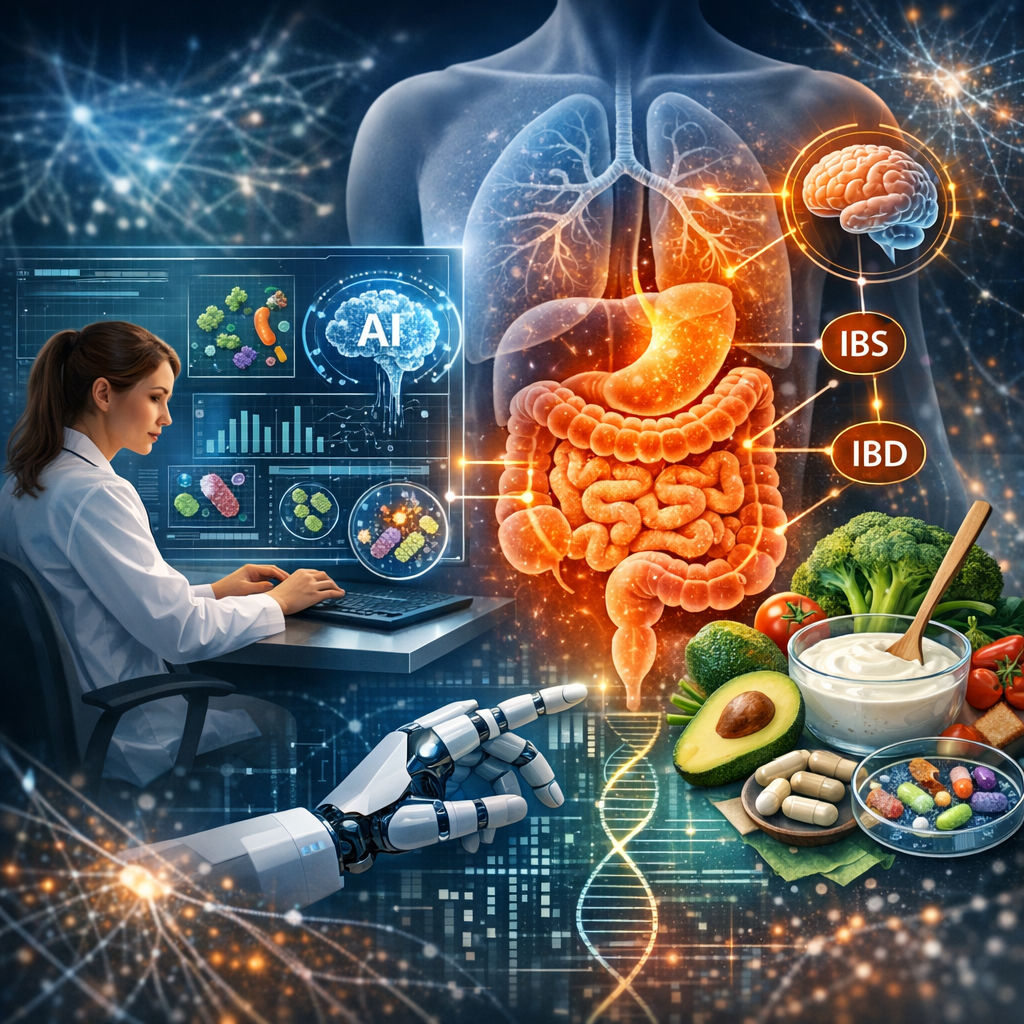
Emerging Research: How Artificial Intelligence is Revolutionizing Personalized Gut Health Protocols
*Topic Introduction*
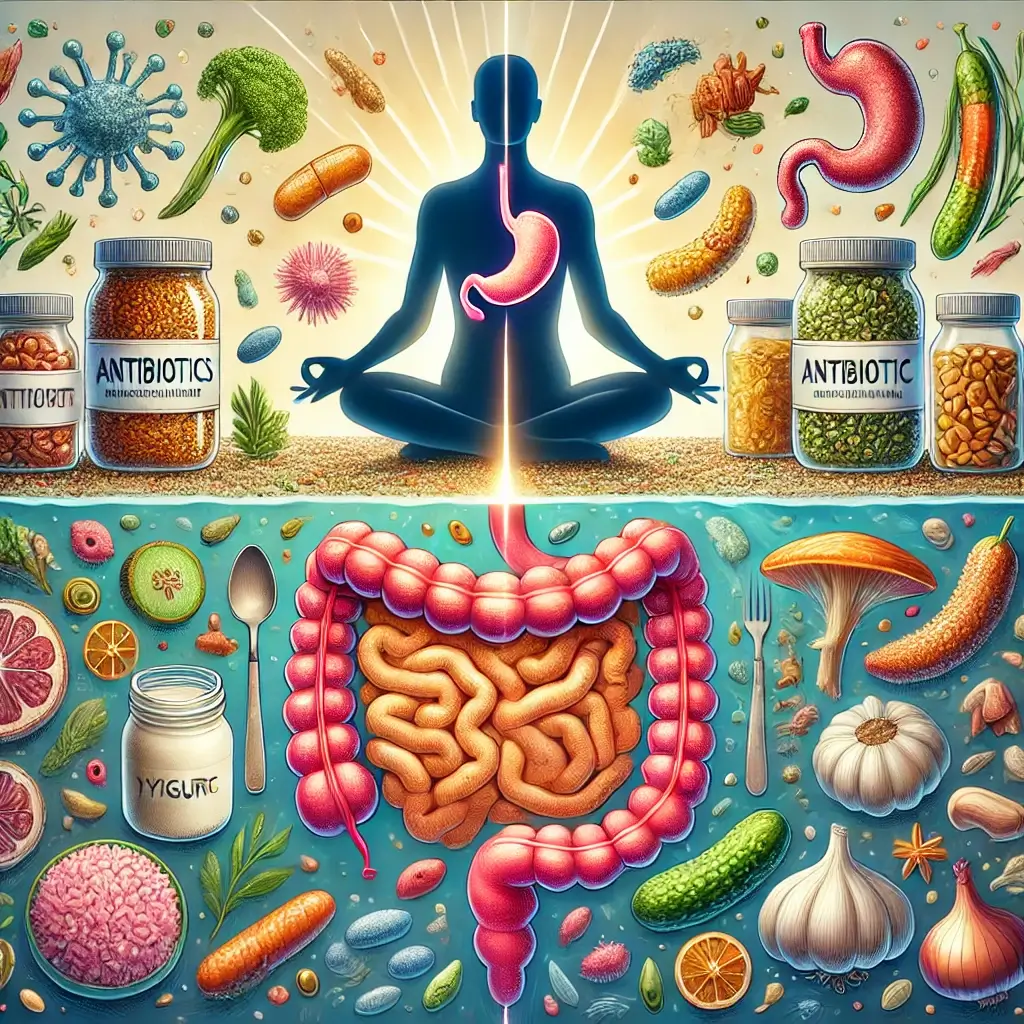
The human gut, often referred to as the “second brain,” plays a pivotal role in maintaining overall health. It is home to trillions of microorganisms, collectively known as the gut microbiome, which significantly influence our immune system, metabolism, and even mental health. The complexity and uniqueness of each individual’s gut microbiome present a significant challenge in developing one-size-fits-all treatments. However, the integration of artificial intelligence (AI) into the realm of gut health is reshaping this landscape, offering unprecedented personalized treatment protocols.
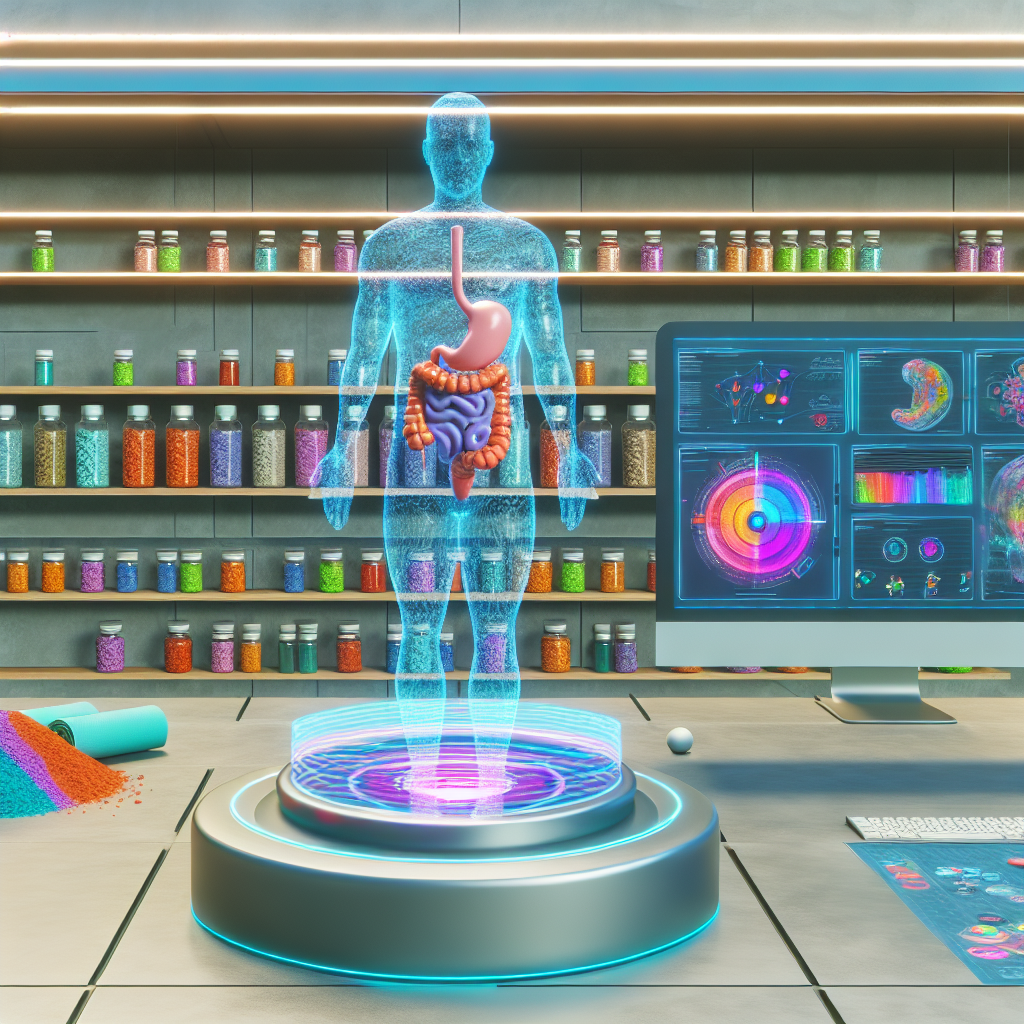
Artificial intelligence, with its ability to analyze vast datasets rapidly and accurately, is revolutionizing the way we understand and approach gut health. By harnessing machine learning algorithms and data analytics, researchers can now dissect the complex interactions within the gut microbiome at an individual level. This technological advancement allows for the identification of specific bacterial imbalances and the development of personalized dietary and probiotic interventions designed to restore and maintain optimal gut health.
AI’s potential in this field extends beyond mere analysis. It can predict how an individual’s microbiome might respond to various treatments, offering clinicians a tool to tailor interventions with greater precision. This approach shifts the focus from generalized gut health advice to more targeted therapy, enhancing efficacy and improving patient outcomes. Emerging research suggests that such personalized interventions may aid in the treatment of chronic conditions linked to the gut, such as irritable bowel syndrome (IBS), inflammatory bowel disease (IBD), and even certain mental health disorders.
The ability of AI to revolutionize gut health is not just a futuristic vision but a rapidly unfolding reality. As more data becomes available, AI-driven models will continue to refine and personalize treatment protocols, moving us closer to an era where gut health solutions are as unique as the individuals they are designed for.
Features
Recent studies highlight the burgeoning role of AI in personalized gut health protocols. A pivotal study published in the journal Nature Medicine delves into AI’s capacity to predict disease activity in patients with conditions such as IBD. By analyzing vast amounts of genomic and microbiome data, researchers trained AI models to forecast flares and periods of remission with remarkable accuracy, paving the way for preemptive therapeutic interventions. This level of predictive precision is transforming patient management strategies, allowing for early intervention and potentially reducing the need for more aggressive treatments later. (Nature Medicine)
Another significant development is AI’s role in the analysis of dietary impacts on gut health. Research conducted at Stanford University utilized machine learning algorithms to assess how individual gut microbiomes responded to different dietary components. The study revealed that AI could accurately predict glycemic responses based on microbiome compositions, leading to highly personalized dietary recommendations. This is especially relevant for individuals managing conditions like diabetes, where diet plays a crucial role in disease management. (Stanford University Study)
Furthermore, AI is proving instrumental in untangling the gut-brain axis–the intricate communication network between the gut and the brain. Studies have shown that changes in the gut microbiome can affect mental health, with implications for conditions such as anxiety and depression. AI models are now being developed to analyze these interactions in detail, potentially leading to novel treatments that address mental health issues from the gut health perspective. (AI and the Gut-Brain Axis)
The convergence of medical research and AI technology is not without its challenges. Data privacy, the need for standardized datasets, and ensuring healthcare providers have the necessary skills to interpret AI recommendations remain significant hurdles. However, the potential benefits outweigh these challenges, as AI offers a pathway to a more nuanced understanding and treatment of gut-related health issues.
Conclusion
Artificial Intelligence stands at the forefront of a new era in gut health. By enabling a deeper understanding of the microbiome and offering personalized interventions, AI is revolutionizing how we approach gut health and its myriad impacts on overall well-being. As research progresses, the integration of AI into clinical practice promises to enhance treatment precision and efficacy, ushering in a future where gut health management is tailored to the individual’s unique biological makeup. The implications are far-reaching, with the potential to improve outcomes for a wide range of conditions linked to gut health, thereby transforming lives for the better.
Concise Summary
Artificial Intelligence is transforming gut health by offering personalized treatment protocols through rapid data analysis. It identifies microbiome imbalances and forecasts individual responses to treatments, improving conditions like IBS, IBD, and mental health disorders. AI’s predictive precision aids early intervention, and analysis of dietary impacts furthers personalized nutrition plans. Despite challenges like data privacy and standardization, AI’s benefits in understanding gut-related health issues are significant. As research progresses, AI’s integration into gut health signals a shift toward individualized healthcare solutions with enhanced efficacy and precision.