Targeted Nutritional Metabolomics: The Future of Personalized Gut Treatment
Introduction:
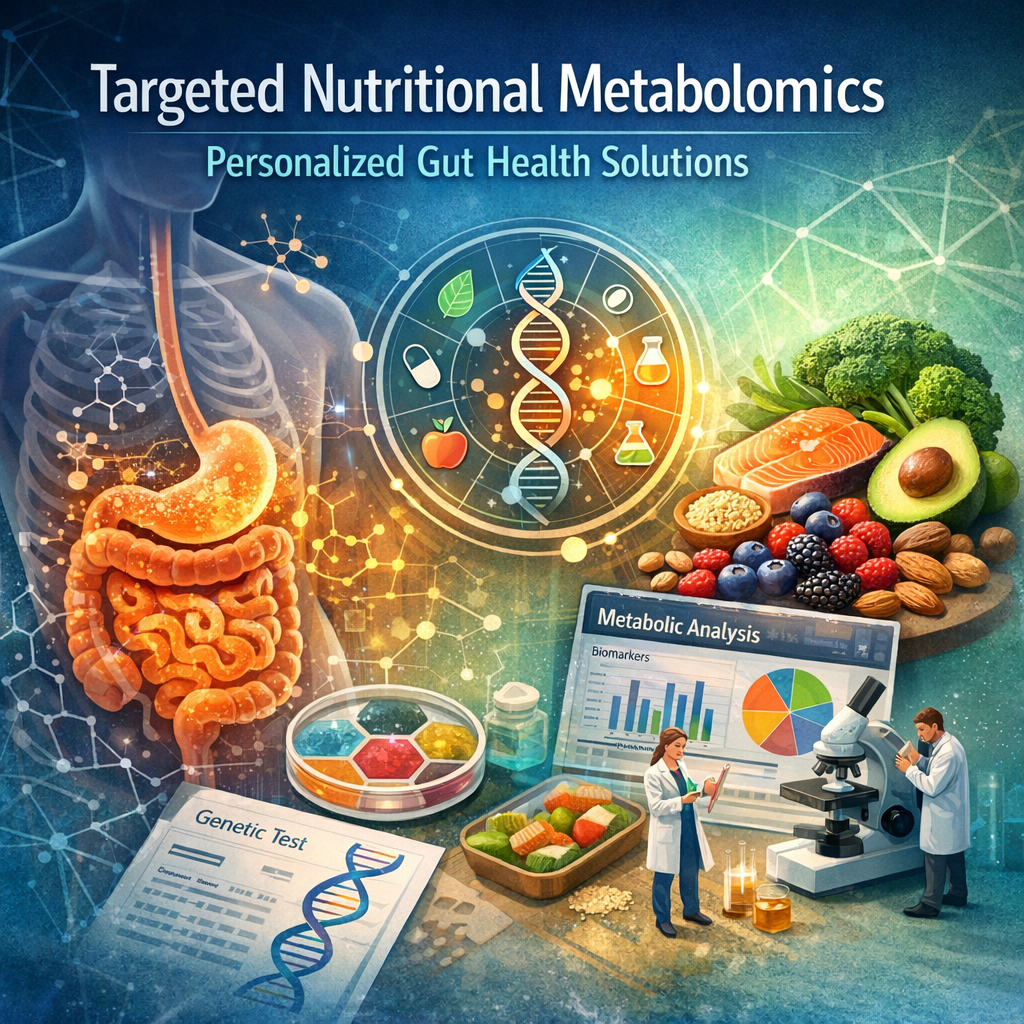
The human gut is a complex ecosystem integral to our health. The gut microbiome—a collection of trillions of bacteria, fungi, and other microbes—impacts digestion, nutrient absorption, and even mental health. The field of personalized medicine is flourishing, with disciplines like nutrigenomics and metabolomics examining how nutrition, genetics, and metabolic processes connect. Targeted nutritional metabolomics, a promising approach, examines dietary impacts on individual metabolic profiles, offering personalized treatments. This approach could shift gut health management from generic to individualized, considering genetics, environment, lifestyle, and dietary habits.
Our understanding of the gut’s health role is still evolving, which makes innovative methodologies crucial. Conditions like irritable bowel syndrome (IBS), inflammatory bowel disease (IBD), and metabolic syndromes like diabetes have links to gut microbiota imbalances. Conventional interventions often don’t address unique individual microbiomes, but personalized metabolomic assessments allow for targeted strategies to restore balance and improve nutrient absorption. As research in this field advances, targeted nutritional metabolomics might reshape gut health treatments, offering holistic and scientifically-sound solutions.
Features:
Several studies highlight metabolomics’ role in personalized gut health. A landmark study in Nature Microbiology found that metabolomic profiles can predict dietary intervention responses. Researchers used metabolite analysis related to the gut microbiota to tailor dietary recommendations, leading to reduced inflammation and better metabolic health. This points to the necessity of considering metabolic responses in creating personalized dietary plans ([Nature Microbiology](https://www.nature.com/articles/s41564-020-0702-8)).
Another paper in the Journal of Clinical Investigation examined dietary polyphenols’ effects on gut health. These compounds, found in fruits, vegetables, and herbs, are known for their antioxidant properties. The study used metabolomics to study how polyphenols interact with gut microbiota, influencing metabolic pathways. It revealed that polyphenols foster the production of short-chain fatty acids (SCFAs), essential for gut health and preventing inflammation ([Journal of Clinical Investigation](https://www.jci.org/articles/view/139927)).
A breakthrough study in Cell Metabolism explored precision nutrition via metabolomics. The integrated approach, combining metabolomics data with genetic and microbial analyses, identified compounds that can specifically modulate gut microbial diversity and functions. Such targeted interventions can optimize diet-based strategies to suit an individual’s metabolic and microbiome composition, significantly improving outcomes ([Cell Metabolism](https://www.cell.com/cell-metabolism/home)).
As data on the interface between diet, metabolites, and the microbiome grows, healthcare providers can recommend foods, herbs, or supplements designed to modulate metabolite profiles and nurture a uniquely suited gut microenvironment.
Conclusion:
Targeted nutritional metabolomics represents the cutting edge in personalized gut treatment, poised to transform conventional methods into bespoke strategies. By delving into dietary, metabolic, and genetic interactions, effective interventions emerge. Continued research will likely redefine gut health management using personalized nutritional solutions, offering hope to those with gut imbalances. Incorporating metabolomics into dietary planning could herald a future of customized gut treatments as diverse as the microbiomes they aim to understand and harmonize.
Concise Summary:
Targeted nutritional metabolomics offers a breakthrough in personalized gut health management by investigating the nuanced relationships between dietary components, individual metabolic profiles, and genetics. This emerging field allows for customized interventions to treat conditions like IBS, IBD, and diabetes, unlike traditional methods that often lack specificity. Recent studies underscore the potential of metabolomics to predict dietary response, optimize gut flora with compounds like polyphenols, and enhance precision nutrition. As further research refines these approaches, the future of gut health treatment may shift to focus on unique, individualized solutions.