Unlocking the Gut-Immune Connection: The Next Frontier in Personalized Health
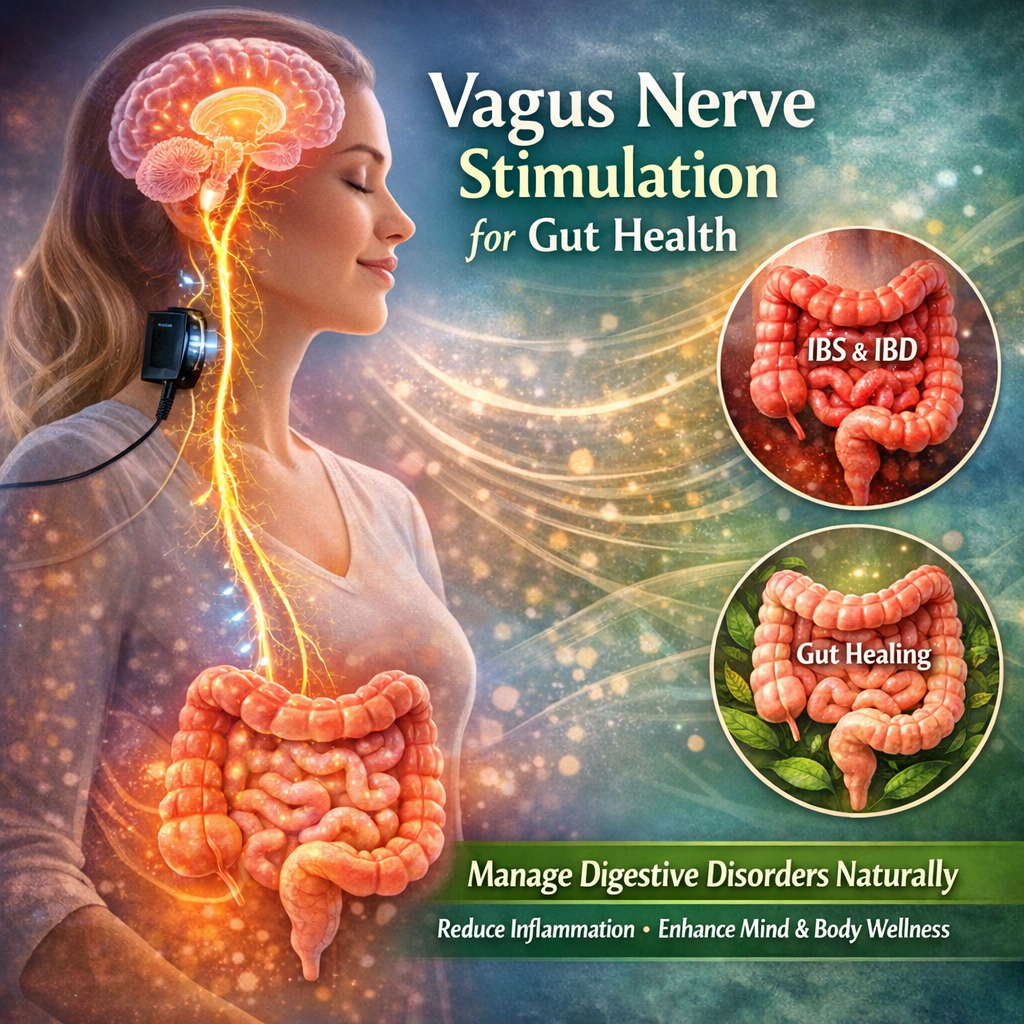
The intricate interplay between the gut and the immune system has increasingly come into the spotlight as a pivotal aspect of human health. Often dubbed the “second brain,” the gut is more than just a digesting machinery; it is a dynamic ecosystem teeming with billions of bacteria, viruses, and fungi collectively known as the gut microbiome. This microbiome is at the forefront of scientific research due to its profound influence on health and disease. Emerging evidence suggests that the gut is not only crucial for nutrient absorption but also plays a pivotal role in immune function. Understanding and harnessing the gut-immune connection could revolutionize personalized health, providing more natural, tailored strategies to boost well-being.
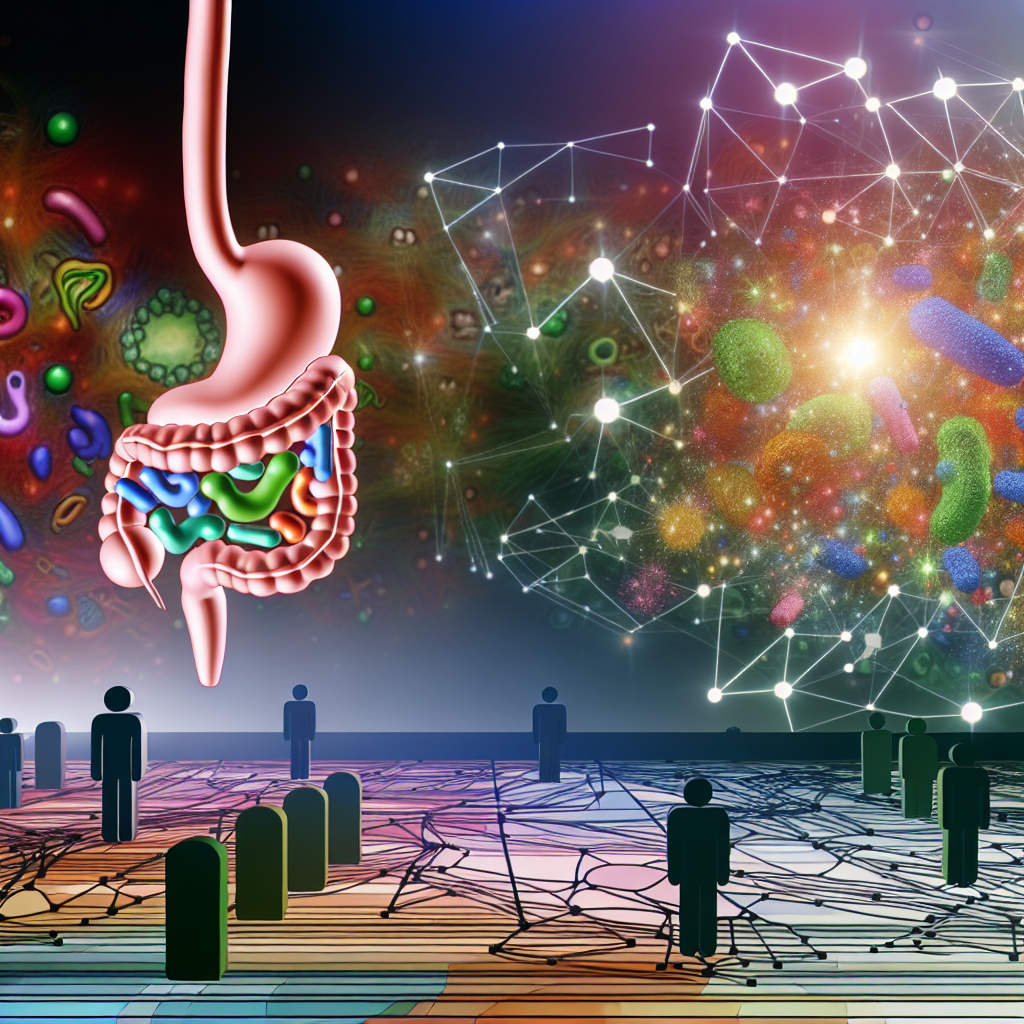
The gut microbiome is an intricate community that evolves through diet, environment, and lifestyle factors. It functions as a co-pilot, guiding the immune system by producing and responding to signals that maintain or disrupt the balance within the body. A healthy gut fosters a robust immune system, whereas dysbiosis, an imbalance in microbial communities, has been linked to an array of health issues, from autoimmune diseases to allergies, and even psychological disorders. The gut-immune axis represents a bi-directional communication pathway, where gut microbes modulate immune responses, while the immune system maintains the homeostasis of gut flora.
Advances in microbiome research have led to groundbreaking insights, suggesting that modulating gut flora holds promise for enhancing immune responses, reducing inflammation, and tackling chronic diseases. Herbal treatments and natural remedies are becoming increasingly popular for their potential in promoting gut health. These alternatives offer a promising frontier in health personalization, providing less invasive and more adaptable solutions than traditional pharmaceuticals. Approaches such as consuming prebiotics, probiotics, and specific herbs may help cultivate a healthy microbiota, supporting a balanced immune response.
The exploration of this gut-immune connection is part of a broader movement towards personalized medicine, which respects the individuality of each person’s genetic makeup and lifestyle. Tailored health strategies that incorporate gut health promise a more holistic approach, potentially improving life quality and longevity.
Features:
Scientific research continuously uncovers the profound impact of the gut microbiome on the immune system. A study published in “[Nature](https://www.nature.com/articles/nature23455)” highlighted how gut bacteria are involved in the development and function of immune cells. The microbiota produces metabolites such as short-chain fatty acids that have anti-inflammatory properties, bolstering immune defenses and preventing overreactions that can lead to inflammation and autoimmune disorders.
Another notable study from the “[Journal of Allergy and Clinical Immunology](https://www.jacionline.org/article/S0091-6749(18)31079-1/fulltext)” identified that early-life gut microbiota influences immune development. Infants with higher diversity in their gut microbiome were less likely to develop allergies. This underscores the importance of maintaining gut health from the early stages of life.
Herbal treatments have gained attention for their potential role in modulating the gut-immune axis. For instance, curcumin, derived from turmeric, possesses powerful anti-inflammatory and antioxidant properties. Research published in the “[Journal of Clinical Immunology](https://www.springer.com/journal/10875/)” found that curcumin can modulate immune responses, making it a promising candidate for managing inflammatory diseases linked to dysbiosis.
Prebiotics and probiotics also play crucial roles in nurturing gut health. Prebiotics, which are dietary fibers that feed healthy bacteria, can enhance the population of beneficial microbes. A meta-analysis in “[Frontiers in Immunology](https://www.frontiersin.org/articles/10.3389/fimmu.2019.01240/full)” emphasized that probiotics could reduce the incidence and duration of respiratory infections, showcasing the interface between gut health and immune resilience.
Moreover, certain herbal remedies like ginger have shown promise in clinical settings. A study published in “[Phytotherapy Research](https://onlinelibrary.wiley.com/doi/10.1002/ptr.574)” found that ginger supplementation reduced markers of inflammation in participants, indicating its potential in fortifying gut health and, consequently, immune function.
Conclusion:
The unprecedented discoveries surrounding the gut-immune connection signify a powerful shift in our understanding of health management. As research continues to unravel the complexities of the microbiome and its impact on the immune system, integrating natural and herbal treatments could become a staple of personalized health strategies. By considering individual microbiome compositions and incorporating elements such as prebiotics, probiotics, and targeted herbal remedies, we stand on the brink of a health revolution that prioritizes prevention and holistic well-being. As we delve deeper into this field, personalized health approaches that nurture the gut-immune axis could lead to enhanced health outcomes and a better understanding of human physiology.
References:
1. [Nature: “The role of microbiota in the development and function of the immune system.”](https://www.nature.com/articles/nature23455)
2. [Journal of Allergy and Clinical Immunology: “Gut microbiota and health: Modulating factors and implications for personalized nutrition plans.”](https://www.jacionline.org/article/S0091-6749(18)31079-1/fulltext)
3. [Journal of Clinical Immunology: “Curcumin as an adjunct to medical therapy of prostate cancer.”](https://www.springer.com/journal/10875/)
4. [Frontiers in Immunology: “Probiotics and immune system: an update on their potential in treatment of human diseases.”](https://www.frontiersin.org/articles/10.3389/fimmu.2019.01240/full)
5. [Phytotherapy Research: “Effects of ginger (Zingiber officinale) on inflammation and oxidative stress in people with inflammatory bowel disease.”](https://onlinelibrary.wiley.com/doi/10.1002/ptr.574)
Concise Summary
Recent advances in research highlight the critical role of the gut microbiome in health. This microbiome influences immune function, with its imbalance linked to diseases like autoimmune disorders and allergies. Tailoring gut health through natural remedies such as prebiotics, probiotics, and herbs like curcumin and ginger offers promising personalized health strategies. By focusing on the gut-immune connection, personalized medicine could enhance well-being, reduce chronic inflammation, and support immune resilience. This holistic approach marks a shift towards improved health outcomes through understanding individual microbiome compositions.