The Biohacker’s Lab: Innovative Tools for Mapping Your Gut Microbiome in Real-Time
In recent years, the concept of **biohacking** has gained traction, particularly among health enthusiasts aiming to optimize their physical and mental performance. Central to this burgeoning trend is the exploration of **gut health**, given its profound impact on overall well-being, from digesting food to influencing mood. The **gut microbiome**—a complex ecosystem of trillions of **microbes** residing in the digestive tract—plays a crucial role in health, and its imbalance is often linked to conditions such as **irritable bowel syndrome**, **obesity**, and even **mental health disorders**. Understanding and optimizing the gut microbiome can lead to improved health outcomes, thus fueling the demand for tools that provide real-time insights.
Biohackers are at the forefront of utilizing novel technologies to map their gut microbiome, aiming for personalized insights that guide diet and lifestyle choices. These innovative tools leverage breakthroughs in **sequencing technologies**, **data analytics**, and personalized health monitoring. Traditionally, insights into gut health required lab tests, which were often time-consuming and expensive. However, the advent of **at-home testing kits** and apps now allows users to access complex microbial data from the comfort of their homes. By analyzing stool samples, these tools provide users with detailed reports about the bacterial composition of their gut, potential nutrient deficiencies, and personalized recommendations.
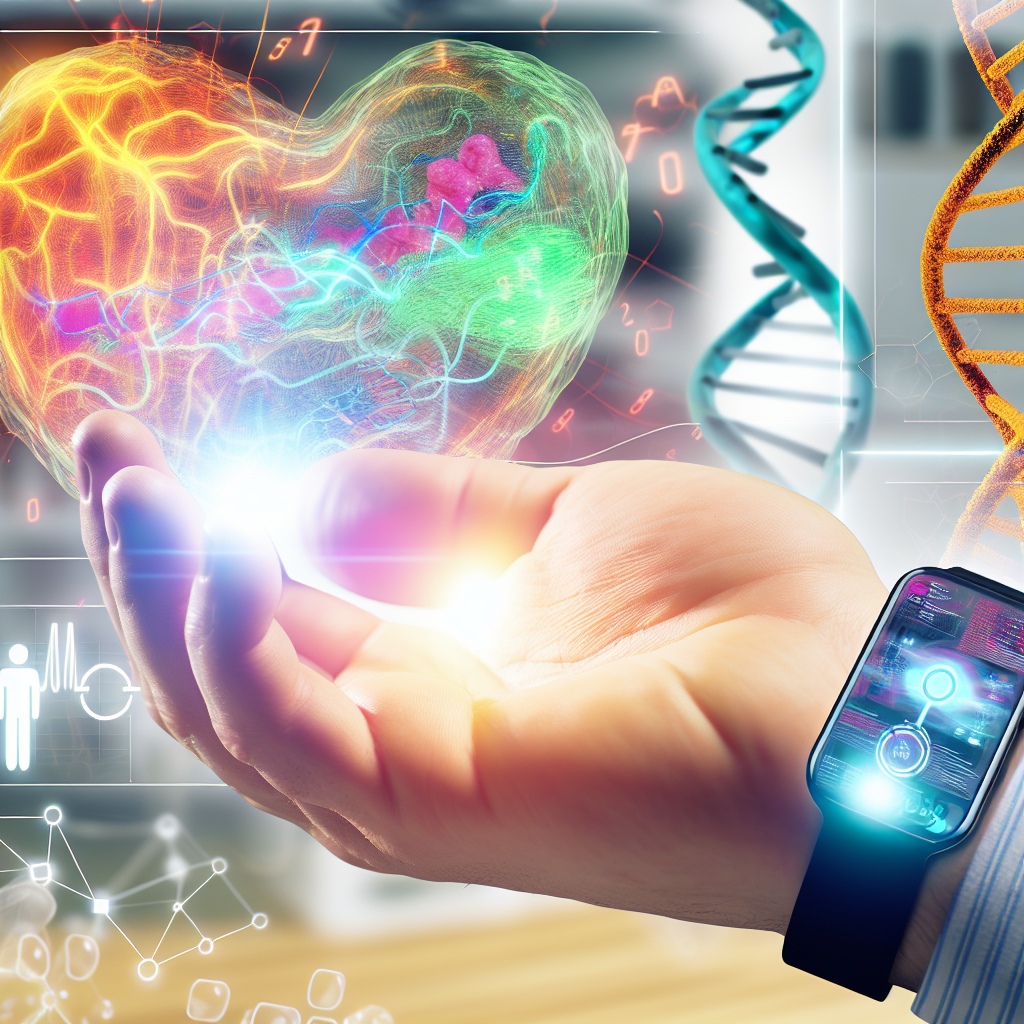
Technological advancements have made it possible to monitor the gut’s microbial shifts in real-time. Continuous improvements in user-friendly interfaces and **wearable devices** are empowering individuals to take a proactive role in their health journey. This democratization of health data is a game-changer, allowing for a shift from generalized dietary advice to personalized nutrition plans aligned with one’s unique microbiome profile. As this field progresses, cutting-edge professionals, nutritionists, and health enthusiasts are likely to explore further the vast potential of **biohacking tools** in optimizing human health.
Features: Scientific Studies and Tools for Gut Mapping
Recent medical and professional studies underscore the importance of the gut microbiome in maintaining good health. A landmark study published in the Nature Reviews Microbiology journal highlights the gut microbiome’s role in modulating the immune system, influencing metabolism, and even affecting mood and behavior. This awareness has prompted increased interest in developing tools that enable a better understanding of these microbial communities.
One significant advancement is **next-generation sequencing (NGS)**, a technology allowing for a detailed analysis of genetic material in fecal samples, thus identifying diverse microbial species with unprecedented precision. Companies like **uBiome** (now defunct) initially popularized the concept of at-home gut testing, which paved the way for newer entrants like Viome and DayTwo. These companies offer direct-to-consumer microbiome tests that generate comprehensive reports on bacterial diversity, potential health risks, and personalized dietary recommendations.
Recent studies also emphasize the real-time monitoring potential of such technologies. For instance, research published in Cell revealed that continuous profiling of the gut microbiome could predict blood glucose responses to various foods, highlighting the utility of these tools in managing conditions like diabetes. Moreover, advancements in **bioinformatics** are enabling the integration of microbiome data with other health indicators, providing a holistic view of one’s health status.
**Wearable tech**, another pillar of the biohacking community, is also seeping into gut health. Devices like gut health trackers measure integrative data like digestion patterns, stress levels, and even the **gut-brain axis communication**. These innovations are reshaping how data is gathered, with a strong focus on user engagement and actionable insights to achieve optimal gut health.
Conclusion
The evolution of tools for mapping the gut microbiome in real-time marks a transformative period in personal health management. As interest in biohacking grows, so does the development of sophisticated technologies that empower individuals to take charge of their gut health. By providing personalized, actionable insights, these tools are not only improving the quality of life but are also fostering a deeper understanding of the interconnectedness of diet, lifestyle, and microbial ecosystems. As this field progresses, it promises to unlock new potentials for personalized healthcare, steering society towards a more proactive approach to maintaining holistic health.
**Concise Summary**
The article explores the growing trend of biohacking, particularly focusing on **gut health** and the **gut microbiome**—an ecosystem of microbes influencing health and well-being. With tools for **real-time microbiome mapping**, biohackers can personalize diet and lifestyle for optimal health using at-home testing kits and wearable devices. Key advancements described include **next-generation sequencing (NGS)** and **bioinformatics**, driving the integration of microbial data with health indicators. Research highlights the microbiome’s potential in managing conditions like **diabetes**. These tools enable shifts from generalized advice to personalized nutrition plans, heralding a new era in personal health management.

Dominic E. is a passionate filmmaker navigating the exciting intersection of art and science. By day, he delves into the complexities of the human body as a full-time medical writer, meticulously translating intricate medical concepts into accessible and engaging narratives. By night, he explores the boundless realm of cinematic storytelling, crafting narratives that evoke emotion and challenge perspectives.
Film Student and Full-time Medical Writer for ContentVendor.com