The Future of Gut Health: AI-Driven Precision Medicine for Chronic Digestive Disorders
Introduction
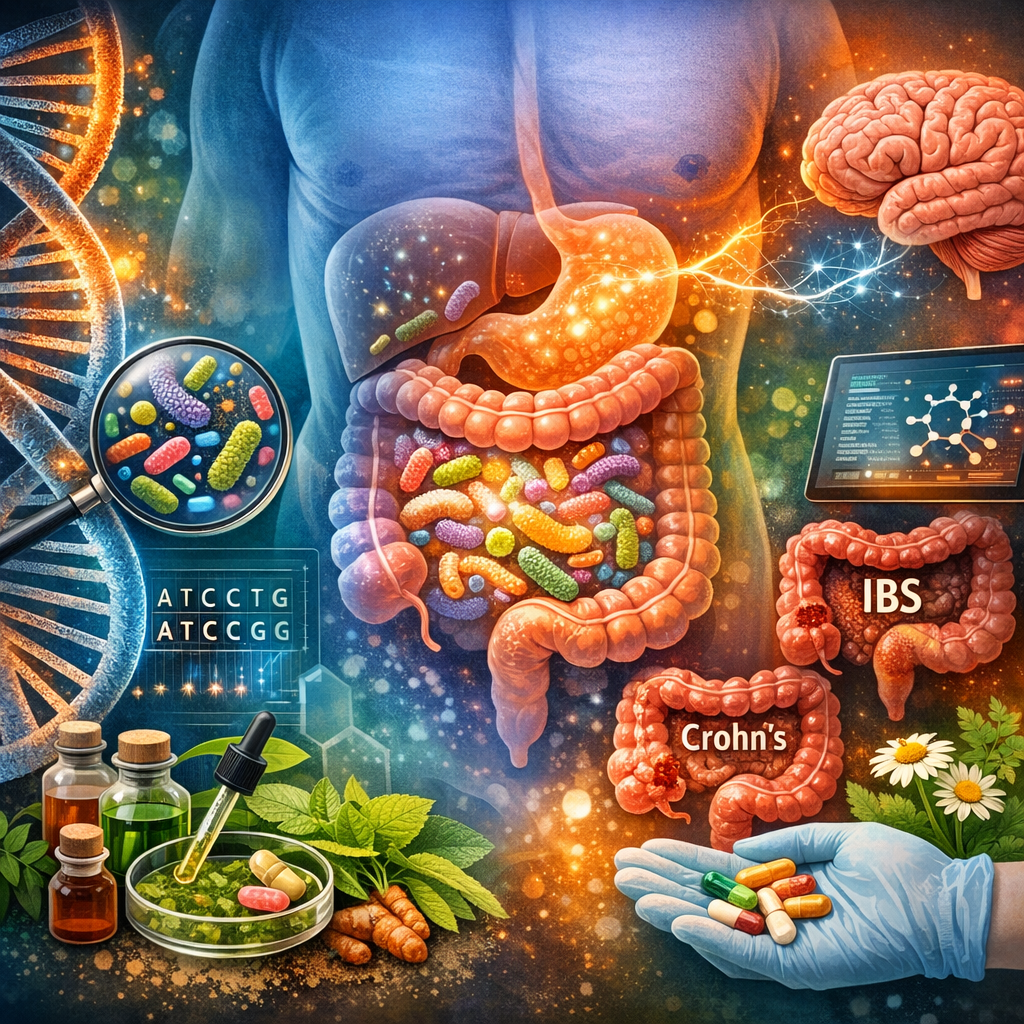
As we progress into an era characterized by incredible technological advancements, our approach to healthcare is undergoing a paradigm shift. One area that stands to benefit immensely from this shift is gut health, particularly in the management of chronic digestive disorders. Conditions such as IBS (Irritable Bowel Syndrome), Crohn’s disease, and ulcerative colitis not only affect millions worldwide but are often challenging to treat due to their complex nature. The future of gut health is being shaped by AI-driven precision medicine, offering personalized treatment strategies that could revolutionize how we manage these conditions.
Traditional approaches to treating chronic digestive disorders often involve a one-size-fits-all methodology, relying heavily on empirical data and trial-and-error. This can lead to prolonged periods of discomfort as patients endure numerous tests and medication adjustments before finding a regimen that works for them. Moreover, these treatments may not address the underlying causes of these conditions. Herein lies the potential of AI-driven precision medicine—a technologically advanced approach that utilizes individual data to tailor treatment plans specifically to the unique genetic and biological makeup of each patient.
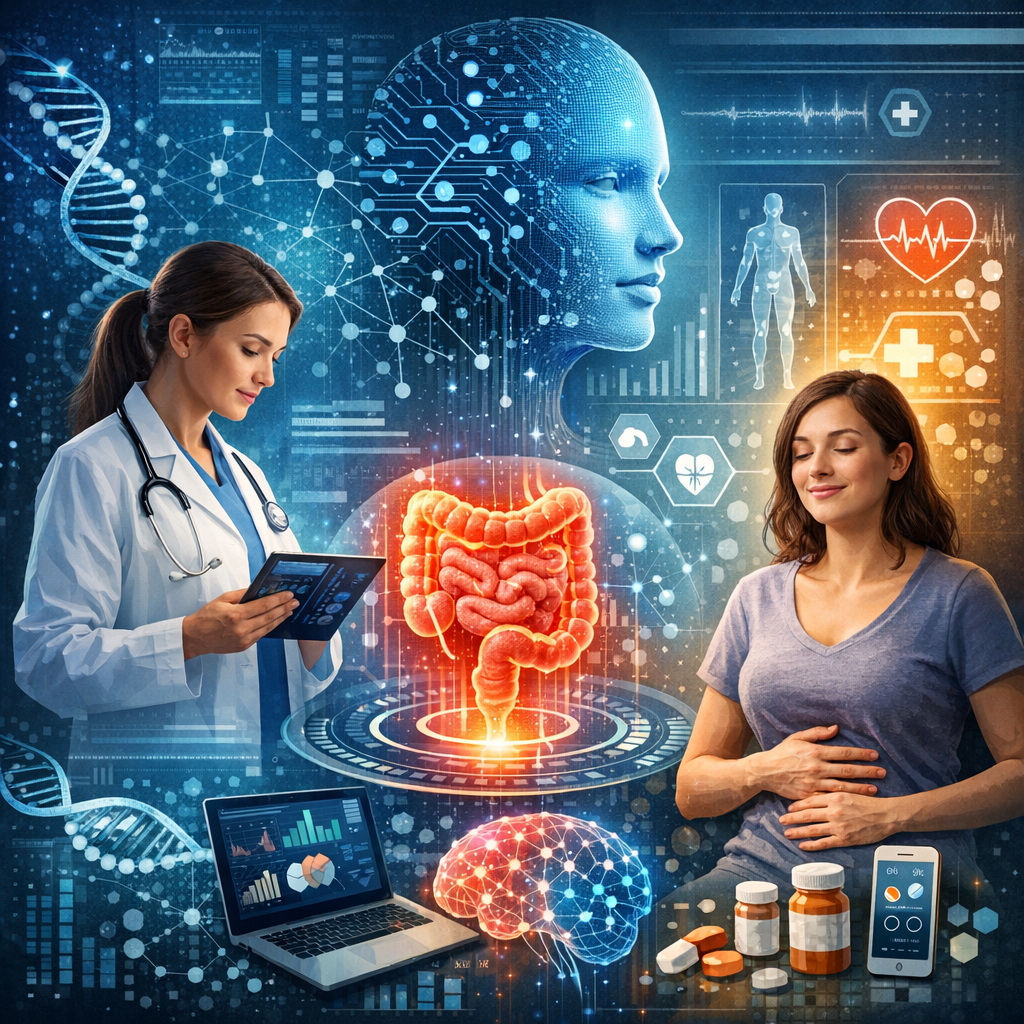
AI-driven precision medicine leverages big data, genomic information, and advanced machine learning algorithms to gain deep insights into a patient’s unique physiological profile. This level of personalization is not only revolutionary for treating chronic digestive disorders but also offers hope for prevention and early intervention. By analyzing data from various sources—such as a patient’s genetic makeup, microbiome composition, and lifestyle factors—AI can predict potential health issues and recommend proactive measures.
Furthermore, this approach is designed to evolve continuously, learning from new data and adjusting recommendations in real-time. This dynamic evolution ensures that the treatment plans remain effective as the patient’s body and health status change over time. As the cost of genome sequencing and data storage continues to decline, the accessibility of AI-driven precision medicine will likely increase, ushering in an era of highly individualized healthcare. This innovation not only promises to improve clinical outcomes but also enhances the quality of life for those living with chronic digestive disorders.
Features
Recent scientific studies have highlighted the transformative potential of AI in the field of gut health. For instance, researchers at MIT and Harvard have been pioneering the application of AI in analyzing gut *microbiome data*. The microbiome is an ecosystem of trillions of microorganisms inhabiting our digestive tract, playing a critical role in digestion, immune function, and overall health. Abnormalities in this ecosystem have been linked to various chronic digestive disorders.
In one landmark study, scientists utilized AI algorithms to profile the gut microbiome from thousands of patients, identifying patterns associated with specific disorders. This data was then used to predict flare-ups in chronic conditions like IBS and IBD (Inflammatory Bowel Disease), suggesting potential interventions that could preemptively mitigate these. Not only does this research underscore the diagnostic capabilities of AI, but it also highlights its potential in designing dietary and lifestyle interventions tailored to individual microbiome profiles.
Another promising study conducted by researchers at Johns Hopkins University explored AI’s ability to integrate various health data, such as genetic information, environmental factors, and lifestyle habits. This approach facilitated the discovery of novel genetic markers associated with Crohn’s disease, leading to earlier and more accurate diagnosis. By understanding these genetic predispositions, healthcare providers can develop targeted therapies that address the specific pathways involved in the disease process, improving therapeutic outcomes and reducing adverse effects.
Moreover, AI-driven platforms are also being developed to enhance patient engagement and adherence. Intelligent health applications can provide real-time feedback and personalized health recommendations, fostering proactive disease management. These tools empower patients by involving them actively in their care, ultimately leading to better health outcomes and increased satisfaction.
Conclusion
The dawn of AI-driven precision medicine represents a groundbreaking advance in the way chronic digestive disorders are managed. By harnessing the power of artificial intelligence, we can shift from reactive to proactive healthcare, offering patients personalized treatment strategies that are informed by their unique biological and lifestyle factors. As research continues to progress and technology becomes more accessible, AI-driven precision medicine holds great promise for alleviating the burden of chronic digestive disorders and enhancing overall gut health. This future not only envisions longer, healthier lives but also empowers individuals with the tools needed to take control of their health, fostering a more patient-centered and effective healthcare system.
References:
1. [MIT News: Artificial Intelligence Analyzes Gut Microbiome](http://news.mit.edu/2021/artificial-intelligence-analyzes-gut-microbiome)
2. [Johns Hopkins Medicine: Advancements in Research](https://www.hopkinsmedicine.org/research/advancements-in-research)
Concise Summary
The future of gut health is being transformed by AI-driven precision medicine, particularly in managing chronic digestive disorders like IBS, Crohn’s disease, and ulcerative colitis. Unlike traditional methods, AI leverages big data, genomic information, and machine learning to create personalized treatment plans based on a patient’s unique physiological profile. This approach not only enhances specific treatments but fosters prevention and early intervention. As the cost of genome sequencing decreases, the accessibility of AI-driven healthcare increases, implying significant improvements in management outcomes and quality of life for affected individuals.