The Gut-Genome Link: How Personalized Genomic Diets Are Transforming Chronic Digestive Disorder Management
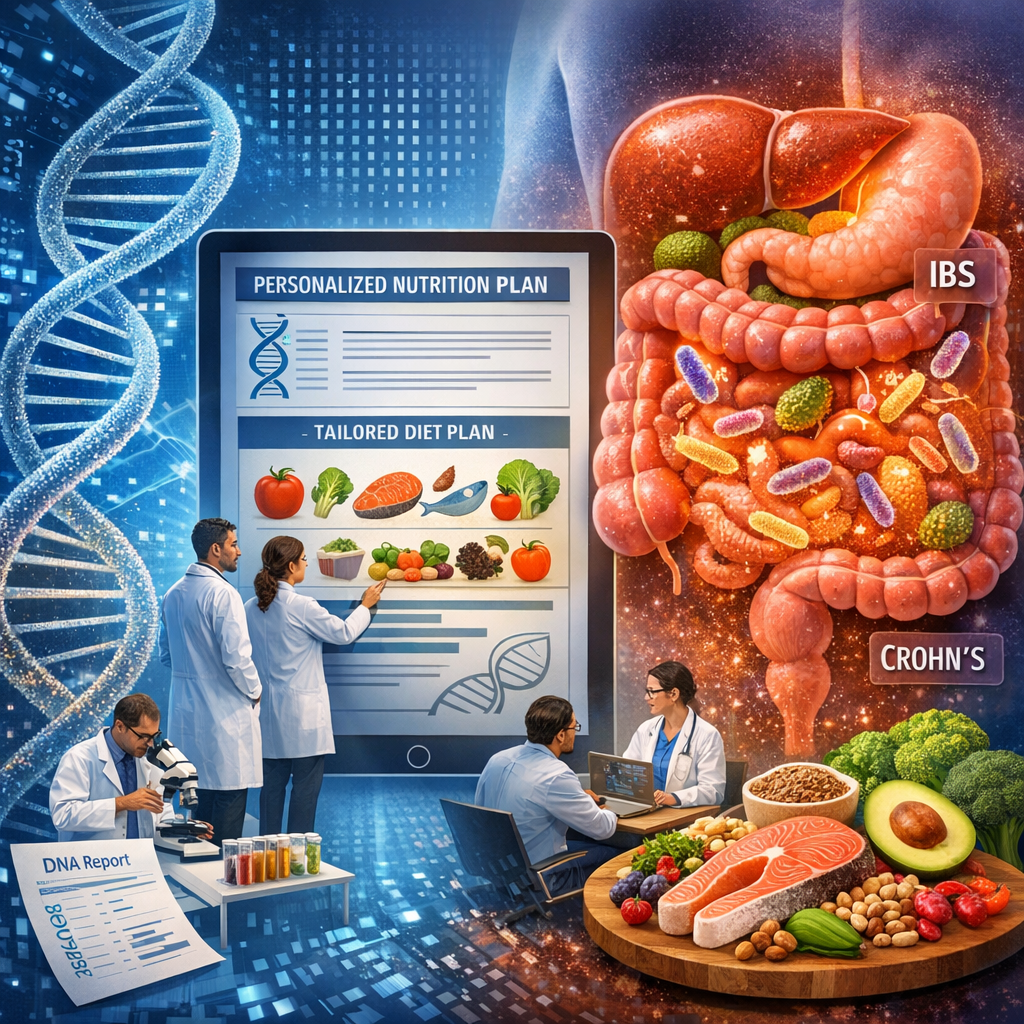
In recent years, the bustling field of genomics has taken the science world by storm, uncovering nuances of human health with implications that are reshaping conventional medical paradigms. One astonishing revelation has been the interplay between our genome and gut health. Chronic digestive disorders, which afflict millions globally, have traditionally been managed through dietary adjustments, medications, or invasive surgery. However, as researchers untangle the intricate web of our genetic blueprint, a revolutionary approach is emerging: personalized genomic diets. These diets utilize our unique genetic composition to devise tailored nutritional plans that optimize gut health and combat chronic digestive maladies.
The concept of a one-size-fits-all dietary guideline is slowly giving way to personalized nutrition protocols. Our understanding of the gut microbiome, the diverse community of microorganisms residing in the digestive tract, and its interaction with our genome is key in this regard. Each individual harbors a distinct microbiome composition, influenced by genetic, dietary, and environmental factors, which in turn affects digestion, nutrient absorption, and overall health. Recent studies indicate that our genetic code significantly influences the nature and functioning of this microbiome.
Chronic digestive disorders, including Irritable Bowel Syndrome (IBS), Crohn’s disease, and Celiac disease, represent some of the most common afflictions that could benefit from these personalized approaches. Traditional treatments often fail to address the root cause and instead focus on alleviating symptoms, which can lead to frustration and diminished quality of life for patients. However, by leveraging genomic data, healthcare providers can create targeted dietary plans that align with an individual’s genetic predispositions, optimizing gut flora balance and enhancing digestive function.
This burgeoning field of nutrigenomics—where nutrition and genetics converge—holds potential not just for treating chronic ailments but for preventive health strategies as well. Personalized diets could help preempt the development of digestive disorders by correcting imbalances before they manifest as disease. As we further elucidate the genome-gut connection, personalized genomic diets represent a paradigm shift towards a more nuanced, individualized management of gut health, promising improved outcomes for those suffering from chronic digestive conditions.
Features
A wealth of recent studies has illuminated the role of genetics in digestive health management. One pivotal study published in [*Nature*](https://www.nature.com/articles/s41586-021-03819-2) illuminated the genetic influence on gut microbiota composition, linking specific gene variants with changes in microbial diversity and function. By focusing on these genetic markers, scientists and clinicians can tailor interventions to maintain microbial homeostasis essential for gut health.
A landmark 2020 study from the [*American Journal of Gastroenterology*](https://journals.lww.com/ajg/pages/default.aspx) explored the impact of genomic information in dietary customization for IBS patients. Researchers found that dietary adjustments based on genomic data led to a significant reduction in symptom severity. This personalized dietary approach leverages genetic insights to identify foods that are more or less likely to trigger symptoms, thus offering a targeted solution that traditional diets cannot provide.
Furthermore, the [*Journal of Personalized Medicine*](https://www.mdpi.com/journal/jpm) detailed a study investigating Crohn’s disease, where researchers identified specific genetic variants that predicted response to dietary interventions. These insights underscore the potential for genetic data to guide nutrition-based therapies, offering a new pathway for managing chronic digestive disorders without reliance on pharmaceuticals, which often come with adverse side effects.
David Agus et al., in their insightful commentary in [*Nature Reviews Gastroenterology & Hepatology*](https://www.nature.com/nrgastro/), emphasized the importance of understanding host-microbe interactions governed by genetics. They highlighted the symbiotic relationship between the host genome and microbiome in disease progression and management. By leveraging genome sequencing and microbial analysis, scientists can devise precision-based interventions that are responsive to unique genetic and microbial profiles, enhancing therapeutic efficacy.
As the field grows, collaborations between geneticists, nutritionists, and gastroenterologists are crucial. Integrative approaches that combine genomic data with cutting-edge microbiome research will unlock novel personalized treatments, setting a new standard in digestive health care and chronic disease management.
Conclusion
As we stand at the frontier of personalized medicine, genomic diets offer a transformative promise for those grappling with chronic digestive disorders. By tapping into the intricate interplay between our genes and gut microbiome, these diets not only target symptoms but also address underlying causes of digestive discomfort. As research expands, more individuals will have access to bespoke dietary interventions, paving the way for optimized health and a significant reduction in chronic digestive ailments. While the journey from lab to clinic is ongoing, the potential to vastly improve patient outcomes through genomic insights is within reach, heralding a new era in personalized health management.
Concise Summary
The growing field of genomics is revolutionizing chronic digestive disorder management through personalized genomic diets. By understanding the unique interaction between an individual’s genetic makeup and their gut microbiome, these diets offer tailored nutritional plans that address the root causes of digestive discomfort. Studies have shown promising results in reducing symptoms for conditions like IBS and Crohn’s disease. Moving beyond symptom management, these personalized interventions highlight the potential for preventive strategies, marking a paradigm shift in enhancing patient outcomes and setting a new standard in digestive health care.