The Paradigm Shift: How Integrative Approaches Are Revolutionizing the Treatment of Chronic GI Disorders
The gut is often referred to as the body’s “second brain,” and for a good reason. It plays a critical role not only in digestion but also in overall health, influencing immunity, mental clarity, and even emotional well-being. Chronic gastrointestinal (GI) disorders like irritable bowel syndrome (IBS), inflammatory bowel disease (IBD), and celiac disease have long troubled patients due to their complexity and varied symptomatic presentations. Traditional treatment methods typically focus on pharmaceuticals and dietary changes, which may offer symptom relief but often fail to address the underlying causes or deliver long-term solutions.
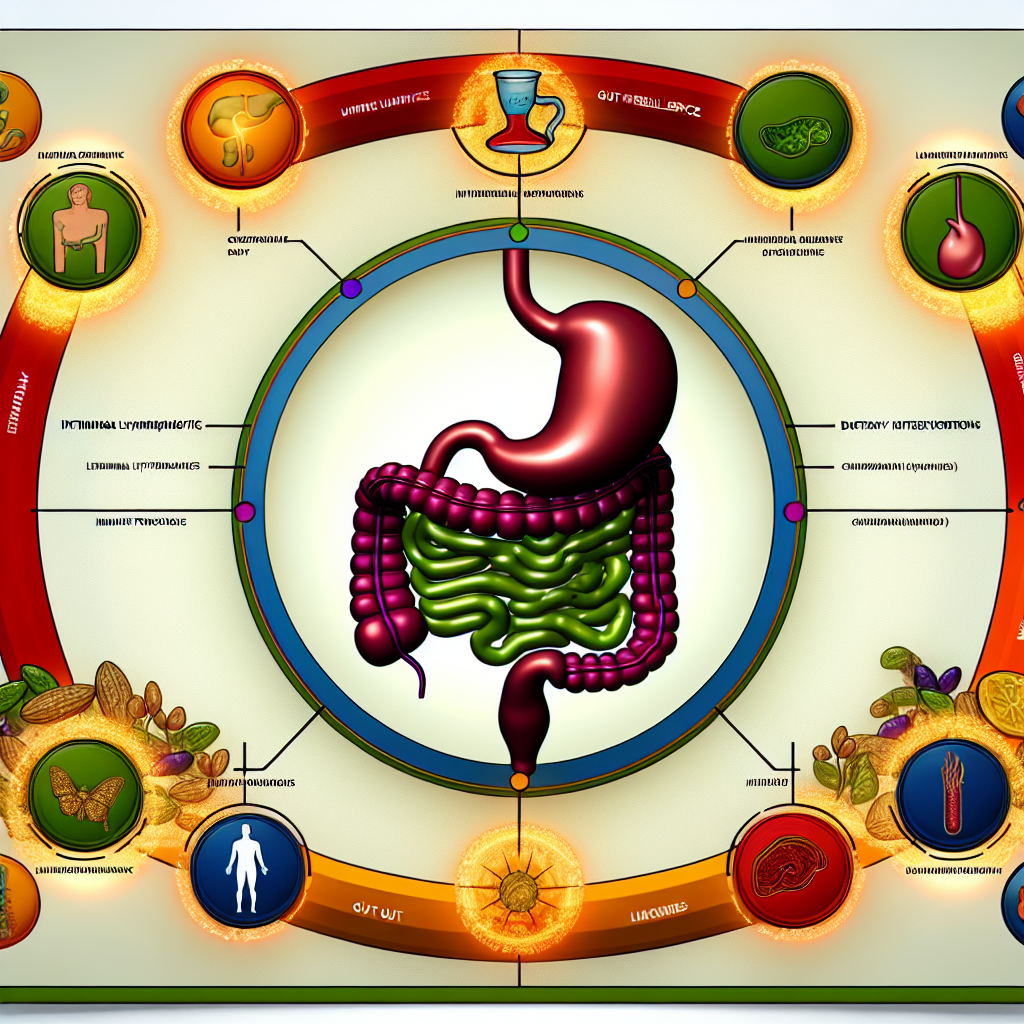
There is a growing paradigm shift towards integrative approaches in treating chronic GI disorders, a trend that recognizes the complexity of the gut ecosystem and aims to address its myriad influences. Recent advancements in gut health emphasize holistic and personalized care, blending conventional medical treatments with natural remedies and lifestyle modifications. This shift is gaining momentum due to the pivotal role of the gut microbiome—a diverse community of bacteria living in our digestive tract—in determining overall health and disease states. Secondly, patients and practitioners are increasingly skeptical of long-term pharmaceutical dependence due to potential side effects and costs.
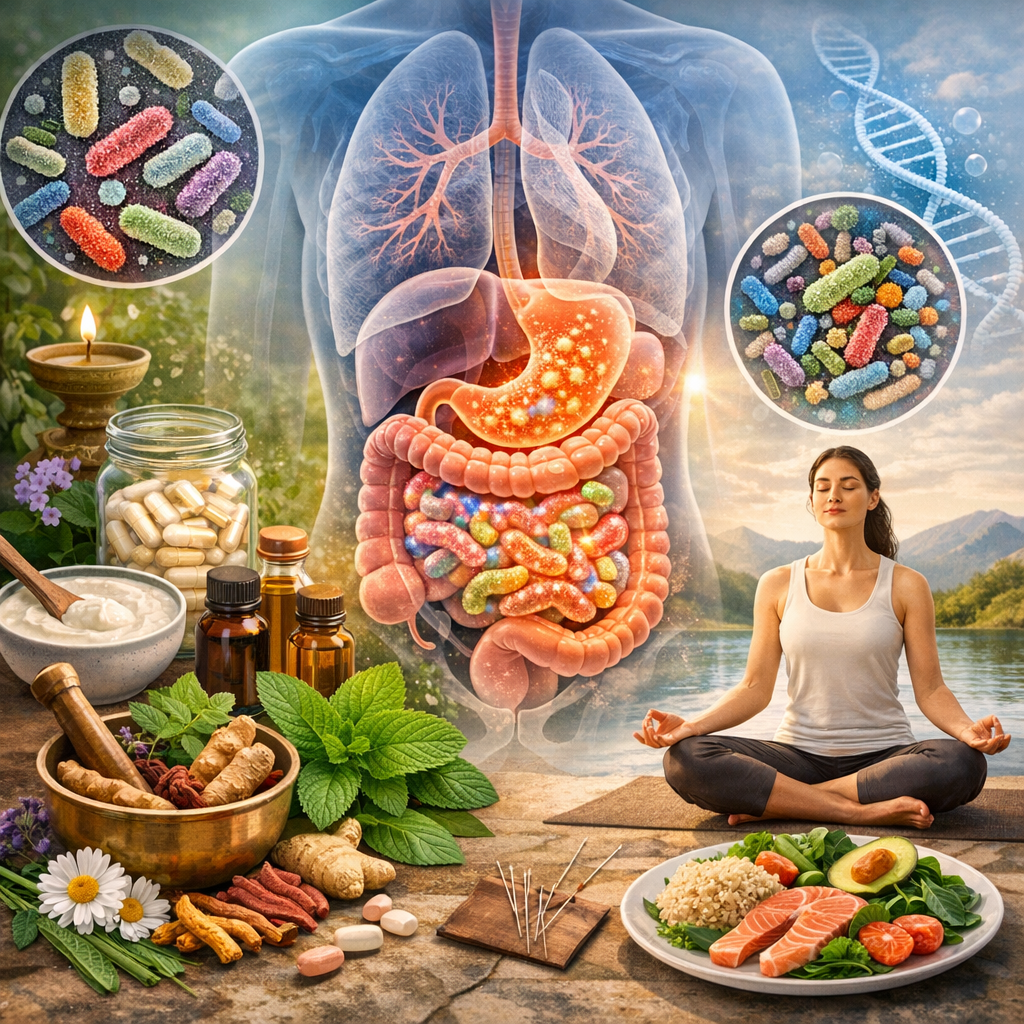
Integrative medicine focuses on treating the whole person—mind, body, and spirit. This approach is particularly advantageous in managing chronic GI issues, where stress, lifestyle, and diet are significant contributors. Mindfulness techniques such as yoga and meditation are now recognized as valuable components in a comprehensive treatment plan. More people are turning towards herbal medicine, probiotics, and dietary supplements as adjuncts to traditional therapeutic strategies.
Additionally, the resurgence of interest in traditional medicine practices, such as Ayurveda and Traditional Chinese Medicine, offers promising complementary methods. Herbal remedies like peppermint oil, licorice root, and ginger have shown positive results in alleviating symptoms of chronic GI disorders. Probiotics are highly recommended for their potential to restore gut bacteria balance, thereby supporting digestion and reducing inflammation. By integrating these approaches, patients are experiencing not just reduction in symptoms but also quality-of-life improvements.
Features: Current Studies and Professional Insights
In the past decade, the understanding of chronic GI disorders and their management has benefited significantly from scientific research. A pivotal element of this revolution has been the Human Microbiome Project, which has mapped the intricate ecosystem of gut flora and its role in health and disease. Understanding the balance, or imbalance, of these microbes has provided insights into conditions like IBS, IBD, and others. For instance, studies have shown that patients with IBS often have altered gut microbiota profiles, which can exacerbate symptoms like bloating and irregular bowel movements.
Institutional support has further validated integrative therapies. Research published in the Journal of Gastroenterology explored the efficacy of combining traditional treatments with alternative therapies. One study showed that participants using peppermint oil experienced a significant reduction in abdominal pain compared to those using conventional therapies alone. Similarly, the incorporation of mindfulness and stress-reduction techniques has been linked to a reduction in GI symptoms, as affirmed by a study published in the American Journal of Gastroenterology.
Probiotics, often taken as supplements, are a cornerstone of integrative gut health strategies. A meta-analysis in the World Journal of Gastroenterology indicated that specific strains of probiotics can reduce symptom severity in patients with IBS. Moreover, natural compounds like curcumin, found in turmeric, are being examined for their anti-inflammatory properties and their potential to alleviate symptoms of IBD.
In addition to herbal supplements, dietary changes rooted in integrative approaches, such as low FODMAP and anti-inflammatory diets, have garnered attention. A study in the Clinical Gastroenterology and Hepatology suggests that these diets can lead to significant symptom relief for patients with chronic GI disorders, underscoring the importance of personalized dietary interventions.
Conclusion
As integrative approaches continue to evolve, they offer promising avenues for managing chronic GI disorders effectively. By blending traditional medicine with complementary therapies such as herbal remedies, dietary modifications, and mindfulness practices, patients are witnessing enhanced outcomes, both in symptom management and overall quality of life. This paradigm shift not only offers hope but also demands a more nuanced understanding of gut health, urging practitioners and patients to embrace a holistic view. As evidence mounts, integrative treatments will likely occupy a more central role in managing chronic GI disorders, promising a future where treatment is as diverse and dynamic as the gut microbiome itself.
References
1. Human Microbiome Project: [NIH Human Microbiome Project](https://commonfund.nih.gov/hmp)
2. Efficacy of Peppermint Oil: [Journal of Gastroenterology](https://link.springer.com/journal/535)
3. Probiotics in IBS: [World Journal of Gastroenterology](https://www.wjgnet.com/)
4. Low FODMAP and Anti-inflammatory Diets: [Clinical Gastroenterology and Hepatology](https://www.cghjournal.org/)
Concise Summary
Chronic gastrointestinal disorders like IBS, IBD, and celiac disease challenge traditional treatment methods that focus on pharmaceuticals and diet changes. A paradigm shift towards integrative approaches combines medical treatments with natural remedies and lifestyle changes, recognizing the gut microbiome’s pivotal role. Integrative medicine emphasizes treating the mind, body, and spirit, employing techniques such as mindfulness, probiotics, and herbal medicine. Emerging evidence and studies underscore the effectiveness of these holistic treatment plans, offering improved outcomes and quality of life for patients, ultimately steering future GI disorder management towards integrative solutions.