The Gut-Kidney Axis: Supporting Renal Function Through Microbiome Diversity and Uremic Toxin Reduction
In recent years, there has been a growing interest in the intricate relationship between the **gut microbiome** and various bodily systems. Among the many vital connections emerging from ongoing research, the **gut-kidney axis** stands out for its potentially significant implications on overall health, emphasizing the connection between **gut microbiota** and **renal function**. For individuals with **chronic kidney disease (CKD)** or those aiming to maintain optimal kidney health, understanding this connection could open new avenues for natural interventions.
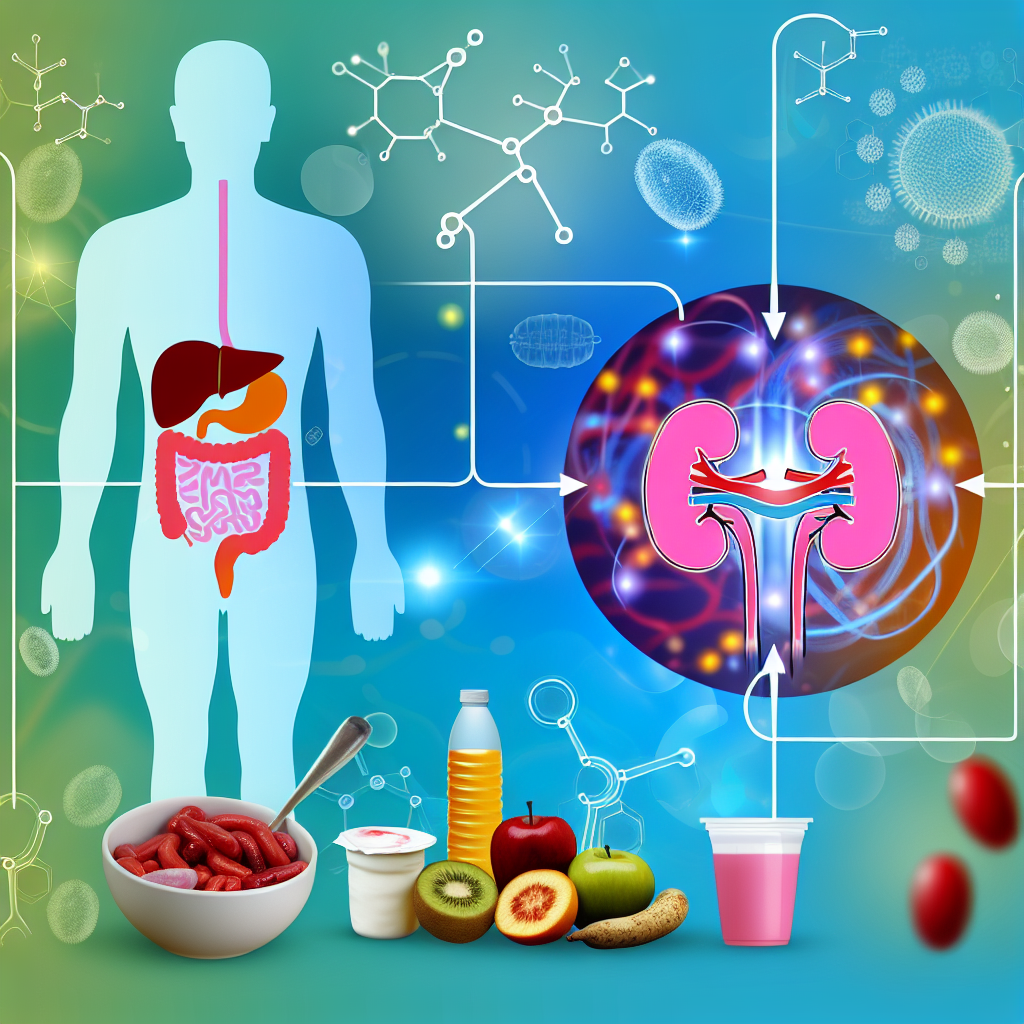
The human gut harbors trillions of microorganisms, collectively known as the **gut microbiome**. These microbes play a pivotal role in various bodily processes, including digestion, immune function, and even mood regulation. More recently, however, their influence on **renal health** has come to light. The **gut-kidney axis** refers to the bidirectional relationship between the **gut microbiome** and **kidney function**. Disruptions to either can significantly impact the other, potentially leading to chronic conditions or exacerbating existing diseases.
One of the central tenets of maintaining a healthy kidney-gut axis is promoting **microbiome diversity**. Different strains of bacteria produce distinct metabolites, some beneficial and others potentially harmful. When the **gut microbiome** is imbalanced, a condition known as **dysbiosis**, it can lead to an overproduction of **uremic toxins**—compounds that are harmful to kidney function. **Uremic toxins**, such as **indoxyl sulfate** and **p-cresyl sulfate**, are byproducts of protein fermentation by gut bacteria and are typically filtered out by healthy kidneys. However, when their levels become elevated due to **dysbiosis** or reduced kidney function, they can cause further damage, creating a vicious cycle.
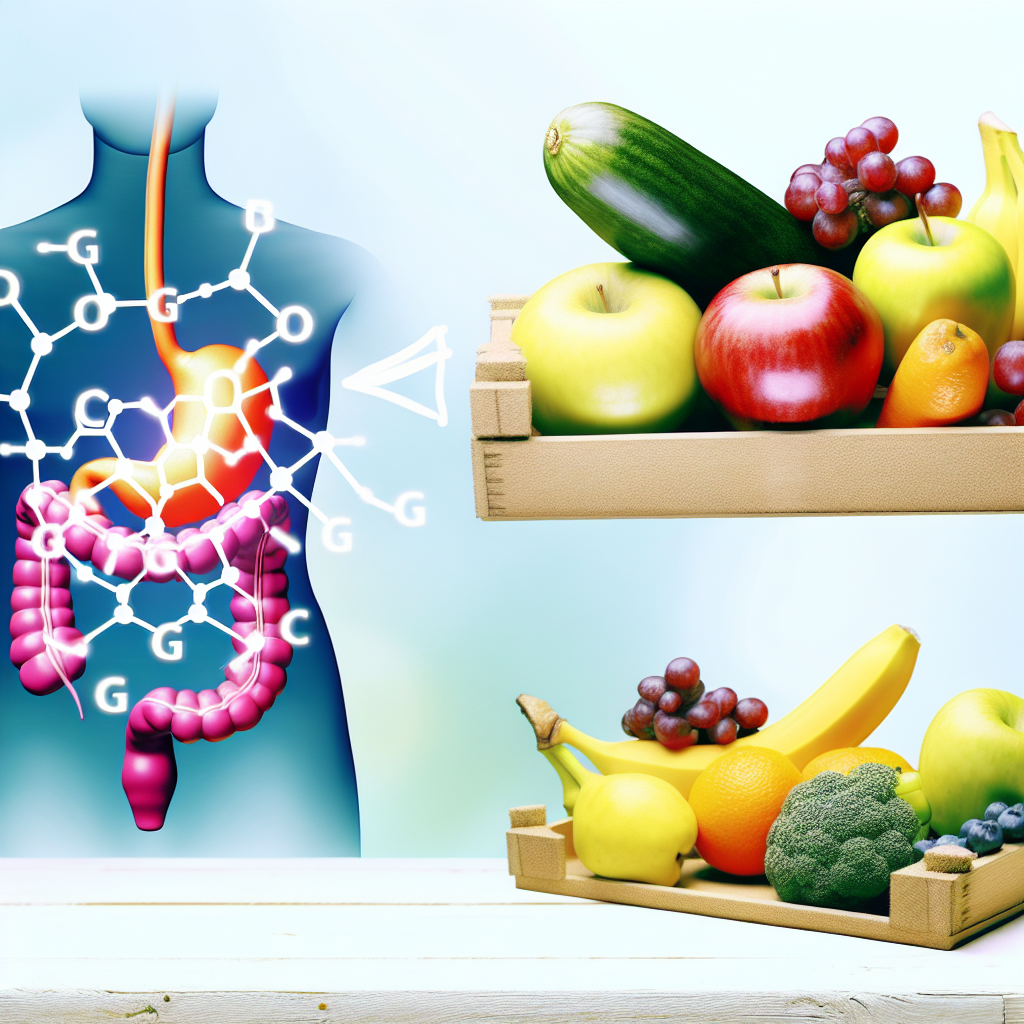
Promoting a diverse microbiome can mitigate the production of these harmful toxins. **Diet** plays a crucial role in shaping the microbiome. A **plant-based diet** rich in fiber encourages the growth of beneficial bacterial strains that produce **short-chain fatty acids (SCFAs)**. These SCFAs have several health benefits, including anti-inflammatory effects and improved gut barrier function, which can, in turn, support overall kidney health. **Fermented foods** like kimchi, sauerkraut, and kefir also contribute to a diverse microbiome, offering both probiotics and prebiotics to support beneficial bacteria.
Professional and Medical Studies
The connection between gut health and renal function has been increasingly supported by scientific studies. Research has shown that a healthy, diverse microbiome can play a protective role against kidney-related issues. A study published in **Nature Reviews Nephrology** highlighted that **gut microbiota-derived uremic toxins** contribute to the pathophysiology of **CKD** and its associated complications. By targeting gut microbiota, there might be a potential to develop innovative treatments for **CKD** [Nature Reviews Nephrology](https://www.nature.com/articles/s41581-018-0002-7).
Furthermore, a study in **Scientific Reports** investigated the potential of **probiotics** in reducing **uremic toxins** in patients with **CKD**. The findings suggested that certain probiotic strains have the capacity to modulate the production of these toxins, providing a promising intervention strategy for managing **kidney health** through the **gut microbiome** [Scientific Reports](https://www.nature.com/articles/s41598-020-59098-5).
**Dietary interventions** have also been studied for their role in promoting a healthier microbiome, which can subsequently reduce the burden of **uremic toxins**. A large-scale study published in the **Journal of Renal Nutrition** examined dietary patterns and their impact on the microbiome and **kidney health**. Results indicated that diets rich in fruits, vegetables, and whole grains are associated with diminished production of harmful metabolites, enhancing overall **kidney health** [Journal of Renal Nutrition](https://www.jrnjournal.org/article/S1051-2276(18)30314-8/fulltext).
These studies underscore the potential for natural and dietary interventions in managing kidney health through the **gut-kidney axis**. While more research is needed to fully understand the mechanisms at play, the existing data provides a compelling argument for integrating microbiome-supportive strategies in renal health management.
Conclusion
The **gut-kidney axis** represents a promising frontier in the quest for improving **kidney health** through natural means. The bidirectional relationship between **gut microbiota** and **renal function** highlights the importance of maintaining a diverse and balanced microbiome to mitigate **uremic toxin** production. By embracing dietary choices that promote microbiome diversity and incorporating **probiotics**, individuals can support their renal health with an approach that complements conventional medical treatments. As the field of **gut health** research continues to evolve, further insights will undoubtedly enhance our understanding and ability to leverage the **gut-kidney connection** for improved health outcomes.
**Concise Summary**
The gut-kidney axis, reflecting the relationship between gut microbiota and kidney health, highlights the significance of microbiome diversity in reducing harmful uremic toxins. Recent studies show that a diverse microbiome can guard against kidney disease, with diet and probiotics playing crucial roles. Plant-based foods and fermented products support beneficial microbes that produce protective short-chain fatty acids. Research points to the potential of dietary and probiotic interventions in managing kidney health, emphasizing natural approaches alongside conventional treatments. Ongoing research will further clarify these mechanisms, enhancing health outcomes through this axis.
**References**
1. [Nature Reviews Nephrology](https://www.nature.com/articles/s41581-018-0002-7)
2. [Scientific Reports](https://www.nature.com/articles/s41598-020-59098-5)
3. [Journal of Renal Nutrition](https://www.jrnjournal.org/article/S1051-2276(18)30314-8/fulltext)

Dominic E. is a passionate filmmaker navigating the exciting intersection of art and science. By day, he delves into the complexities of the human body as a full-time medical writer, meticulously translating intricate medical concepts into accessible and engaging narratives. By night, he explores the boundless realm of cinematic storytelling, crafting narratives that evoke emotion and challenge perspectives.
Film Student and Full-time Medical Writer for ContentVendor.com