The Gut’s Role as a Master Regulator: How Understanding Its Control Over Other Organ Systems Could Transform Chronic Illness Management
Introduction
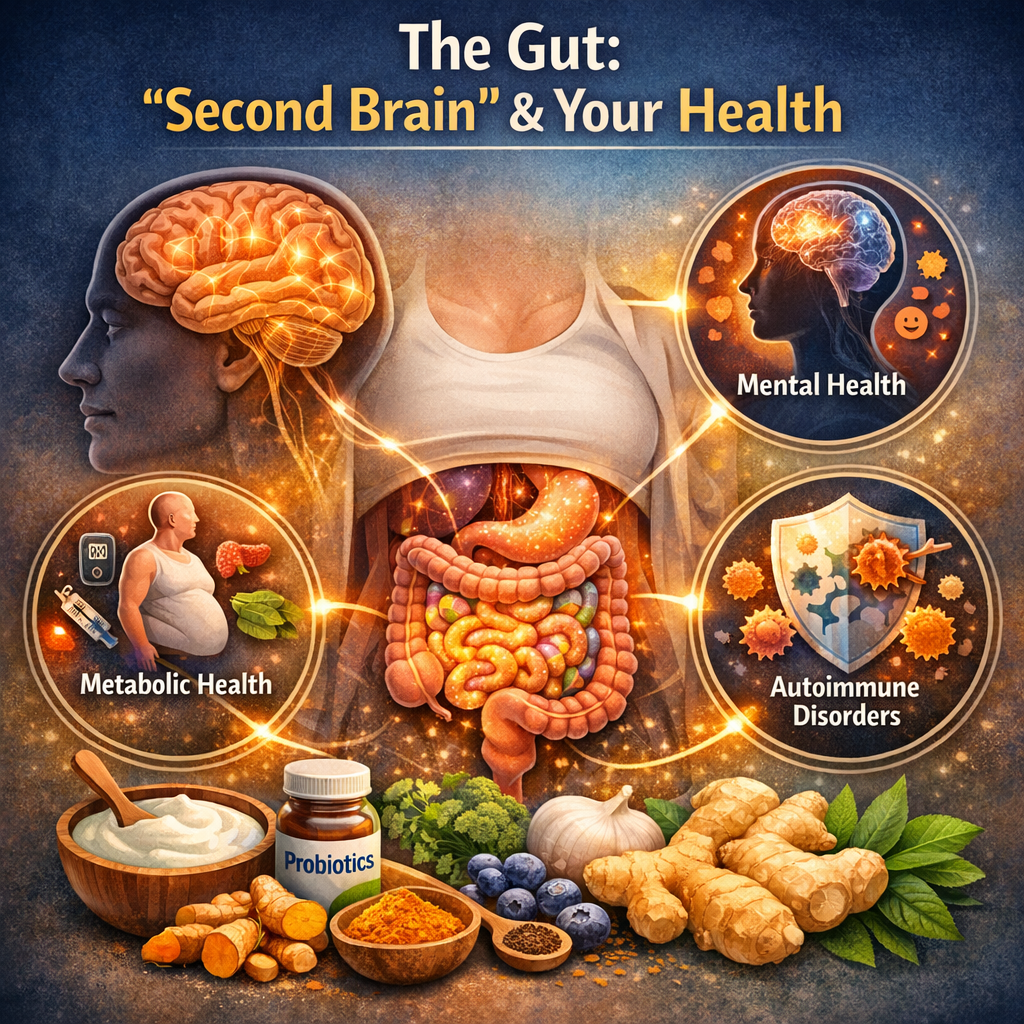
The gut, often referred to as the “second brain,” plays an intricate role in maintaining the body’s overall health. Beyond its primary roles in digestion and nutrient absorption, the gut influences other organ systems, acting as a master regulator. This complex relationship between the gut and various bodily systems is transforming our understanding of chronic illness management. The gut microbiome, which includes trillions of bacteria, fungi, and viruses, is crucial here, as scientists are unraveling how this ecosystem communicates with distant organs like the brain, liver, and kidneys.
The connection between gut health and chronic illnesses is becoming increasingly evident. Conditions such as metabolic disorders like type 2 diabetes and autoimmune diseases like rheumatoid arthritis are linked with gut dysbiosis—an imbalance in the gut microbiota. This imbalance can provoke systemic inflammation, disrupt metabolic functions, and even alter neurological processes via the gut-brain axis. The gut-brain axis, a bidirectional communication network between your gut and brain, exemplifies how gut health influences mental health, potentially impacting conditions like anxiety and depression.
Emerging studies suggest that natural cures and herbal treatments may play a pivotal role in restoring gut health. Probiotics, fibers, and polyphenol-rich foods can help balance the microbiome, providing a natural path to managing chronic diseases. Herbs like turmeric and ginger, with their anti-inflammatory properties, are gaining popularity as complementary treatments. Meanwhile, lifestyle changes—focused on diet, stress management, and exercise—are foundational to maintaining a healthy gut.
Understanding the gut’s regulatory role underscores the need for a comprehensive approach to chronic illness that transcends traditional symptom-focused treatments. Health practitioners are beginning to see the benefits of incorporating gut-health strategies into routine care, paving the way for innovative therapies and improved patient outcomes.
Features
Recent studies illuminate the gut’s role in chronic disease management. One important study published in Nature highlights how specific gut bacteria influence insulin sensitivity, marking a potential breakthrough in managing type 2 diabetes. The study found that increasing the presence of Akkermansia muciniphila bacteria through diet or probiotics improved insulin sensitivity and reduced inflammation in obese individuals. Such findings underscore the potential of targeting the gut microbiome to alleviate metabolic disorders.
In the realm of autoimmune diseases, research in Frontiers in Immunology has shown that gut dysbiosis can exacerbate inflammation and autoimmunity. The study illustrates how a disrupted gut environment contributes to conditions such as rheumatoid arthritis and multiple sclerosis by influencing immune cell function and inflammation pathways. By restoring gut balance, these conditions’ progression may be mitigated.
The gut-brain axis is another key area of study, with research highlighting its significance in mental health. A compelling study in Molecular Psychiatry revealed how probiotics and dietary interventions could alleviate symptoms of anxiety and depression. The research emphasizes the microbiome’s role in neurotransmitter production and inflammation regulation, suggesting mental health benefits beyond traditional pharmacotherapy.
Herbal treatments, particularly those with anti-inflammatory and antioxidant properties, hold promise in gut health management. Turmeric and its active compound, curcumin, have been extensively researched for their gut-healing properties. Studies such as those published in Journal of Medicinal Food have shown how curcumin can modulate the gut microbiota and reduce gut inflammation, offering a natural therapeutic alternative.
The expanding body of research emphasizes the gut’s supreme regulatory functions across various organ systems. These insights not only revolutionize chronic illness management but also stress the importance of lifestyle interventions and natural treatments to enhance patient care.
Conclusion
Understanding the gut’s central role in regulating organ systems opens new avenues for managing chronic illnesses. As research progresses, the integration of gut health strategies, including natural and herbal interventions, becomes increasingly compelling. By focusing on the microbiome’s balance and interactions, we can reshape treatment paradigms for chronic illnesses, moving towards more holistic and individualized patient care. As we continue to uncover the gut’s secrets, embracing its regulatory potential promises to enhance health outcomes and transform lives.
Concise Summary
The gut holds a pivotal role in regulating the body’s health, with far-reaching implications for chronic illness management. Emerging research highlights the gut microbiome’s influence on conditions such as type 2 diabetes, rheumatoid arthritis, and mental health issues like anxiety and depression. An imbalance in the gut microbiota, or dysbiosis, can exacerbate these conditions, underscoring the need for comprehensive therapies. Natural interventions, including probiotics, herbal treatments like turmeric, and lifestyle changes, show promise in restoring gut health and improving overall outcomes. Understanding and harnessing the gut’s regulatory capabilities could revolutionize chronic illness treatments.