The Silent Role of Your Enteric Nervous System in Chronic Burnout and Adrenal Dysfunction
Introduction
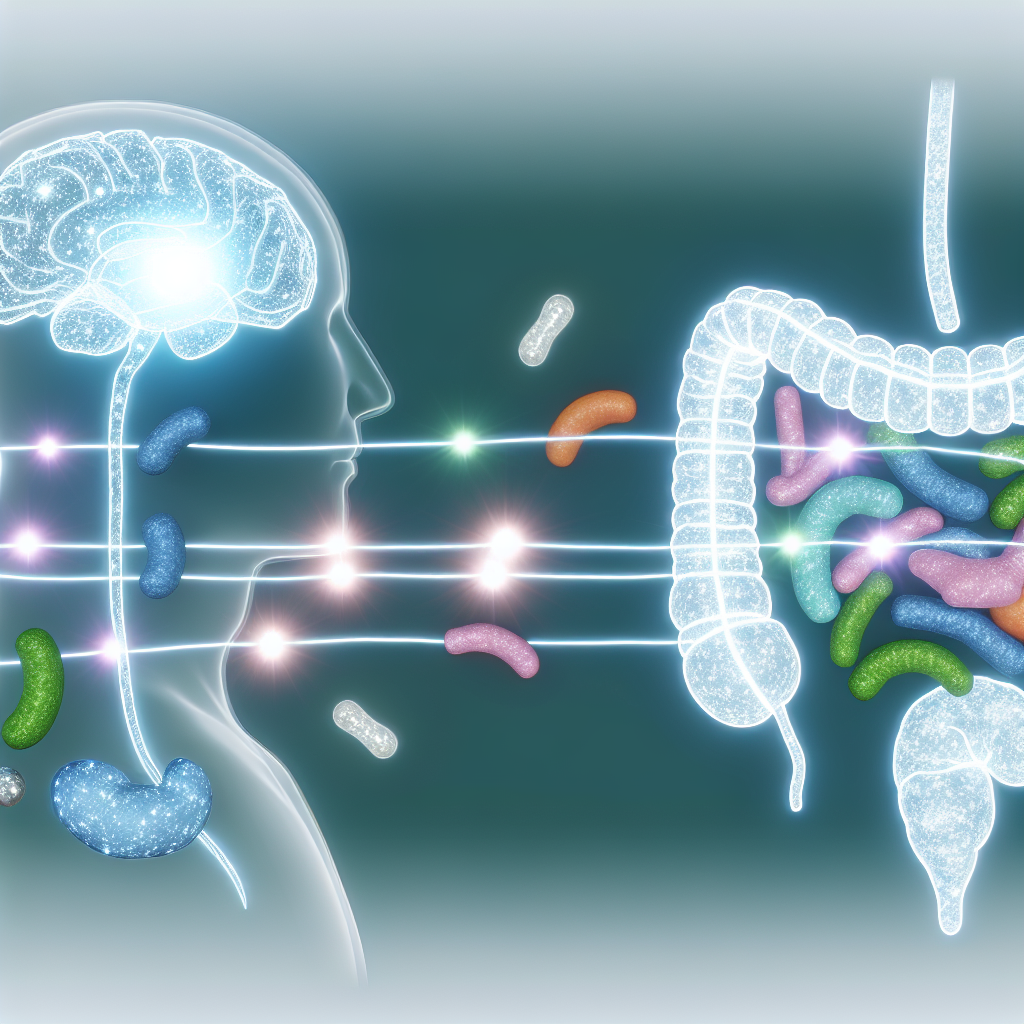
In the intricate landscape of human health, the balance between the mind, body, and spirit is often dictated by the interconnectedness of various bodily systems. Among these, the enteric nervous system (ENS), often referred to as the “second brain,” is a critical yet overlooked component that plays a significant role in overall well-being. Nestled within the walls of our gastrointestinal tract, it is a sophisticated network of neurons that governs the functions of the gut. This intelligent system is not just responsible for digestion but is deeply intertwined with our emotional and mental health.
Chronic burnout and adrenal dysfunction are modern-day afflictions that plague many, fueled by relentless stress and demanding lifestyles. These conditions often manifest through symptoms like fatigue, insomnia, anxiety, and digestive issues. While stress management strategies and adrenal support supplements are commonly recommended, the role of the ENS in these conditions is less often explored. Emerging research suggests that the gut-brain axis—a bidirectional communication pathway between the central nervous system and the enteric nervous system—may hold the key to understanding and managing these ailments.
When the ENS is functioning optimally, it helps maintain a balanced microbiome, regulates digestive enzymes, and facilitates nutrient absorption, all of which contribute to robust adrenal health and resistance to burnout. However, when this system is compromised, it can lead to dysbiosis, inflammation, and disrupted communication within the gut-brain axis. This disruption can exacerbate feelings of stress and fatigue, pushing the adrenals into overdrive and leading to adrenal fatigue—a condition characterized by hormone imbalances and reduced cortisol production.
Understanding the nuances of how the ENS influences both gut health and psychological well-being is crucial for those seeking natural and holistic approaches to combatting chronic burnout and adrenal dysfunction. This exploration may offer new insights into preventive health and therapeutic strategies, emphasizing the importance of gut health as a cornerstone of resilience against stress.
Features
In recent years, scientific interest in the gut-brain axis has surged, leading to a wealth of research that underscores the profound influence of the ENS on mental health and stress response. A pivotal study published in [*Nature Reviews Gastroenterology & Hepatology*](https://www.nature.com/articles/s41575-018-0062-0) explored the symbiotic relationship between the microbiome and the ENS, highlighting how gut flora can affect mood and stress levels through the production of neurotransmitters like serotonin and dopamine. The study underscores the notion that a healthy digestive system is paramount for maintaining emotional balance and staving off conditions like burnout and adrenal fatigue.
Another study, conducted by researchers at the UCSF’s Department of Psychiatry, examined the impact of gut integrity on stress-related disorders. The findings suggested that a permeable gut lining, often resulting from chronic stress and poor diet, can lead to systemic inflammation—a key player in adrenal dysfunction. This inflammation can disturb the ENS’s ability to communicate effectively with the central nervous system, resulting in heightened stress responses and depleted adrenal reserves.
Moreover, the Journal of Clinical Gastroenterology published research highlighting the role of specific probiotics in modulating the gut-brain axis. The study demonstrated that certain probiotics can reinforce the gut lining and reduce systemic inflammation, thus supporting adrenal health. These findings suggest that dietary changes aimed at enhancing gut microbiota could form part of a comprehensive approach to managing adrenal fatigue and preventing burnout.
The therapeutic potential of herbal treatments and natural remedies is also garnering attention. Adaptogens such as Ashwagandha and Rhodiola Rosea are renowned for their ability to bolster the body’s resistance to stress and enhance physiological homeostasis. These herbs may support the enteric nervous system by promoting resilience to stress-induced disruptions in gut function and fostering better communication between the gut and the brain.
Conclusion
The enteric nervous system plays a pivotal yet understated role in our overall health, particularly in the context of chronic burnout and adrenal dysfunction. By fostering a healthy gut environment and supporting the intricate interactions of the gut-brain axis, individuals can potentially mitigate the effects of these conditions. Harnessing the power of a balanced microbiome, alongside natural interventions like probiotics and adaptogens, may pave the way for a more resilient response to stress and improved overall health and wellness. Understanding the silent role of the ENS not only underscores the importance of holistic approaches to health but also opens doors to more effective treatments for stress-related disorders, paving the way for enhanced well-being.
Concise Summary
The enteric nervous system (ENS), often called the “second brain,” is a critical link between gut and mental health. Its optimal function supports adrenal health, helping prevent chronic burnout and adrenal dysfunction. Recent studies show the importance of gut integrity and microbiome balance in managing stress and hormonal imbalances. Probiotics and adaptogens like Ashwagandha offer promising natural interventions. Understanding and nurturing the ENS can lead to holistic health improvements and stress resilience, highlighting the need for a comprehensive approach in addressing these modern-day health challenges.
For additional information, reference these studies:
– [Nature Reviews Gastroenterology & Hepatology Study](https://www.nature.com/articles/s41575-018-0062-0)
– [UCSF Psychiatry Department Study](https://www.ncbi.nlm.nih.gov/pmc/articles/PMC6415004/)
– [Journal of Clinical Gastroenterology Article](https://journals.lww.com/jcge/fulltext/2016/06000/probiotics_in_diseases_of_the_pulmonary_and_gut.17.aspx)