Breaking the Gut: Unveiling Unknown Environmental Triggers of Chronic Digestive Disorders
In recent years, there has been a marked increase in reported cases of chronic digestive disorders globally, highlighting a growing public health concern. Diseases such as Irritable Bowel Syndrome (IBS), Crohn’s Disease, and Ulcerative Colitis affect millions of people, disrupting daily life and significantly impacting quality of life. While genetics and lifestyle factors like diet and stress have long been considered contributing factors, emerging evidence points to a myriad of lesser-known environmental triggers that may play a crucial role in the onset and progression of these disorders.
The human gut is home to a complex ecosystem of microorganisms known as the gut microbiome, which is intrinsic to digestive health, immunity, and even mental well-being. Given its complexity, even subtle environmental changes can disrupt this delicate balance, leading to dysbiosis—a state where harmful bacteria outnumber beneficial ones. This imbalance is increasingly linked to a host of digestive issues and is exacerbated by various undetected environmental factors.
Pesticides and chemicals used in agriculture are prime suspects. Studies have shown that long-term exposure to these harsh substances can alter gut flora, decreasing the abundance of beneficial bacteria and allowing pathogenic varieties to thrive. Additionally, pollution—especially air and water contamination—may introduce trace elements and toxins into the body, potentially disrupting normal digestive processes.
Another significant yet often overlooked factor is antibiotic use, both in human medicine and food production. Antibiotics are essential in fighting infections, but their overuse or misuse can result in the depletion of gut-friendly bacteria, predisposing individuals to chronic digestive conditions.
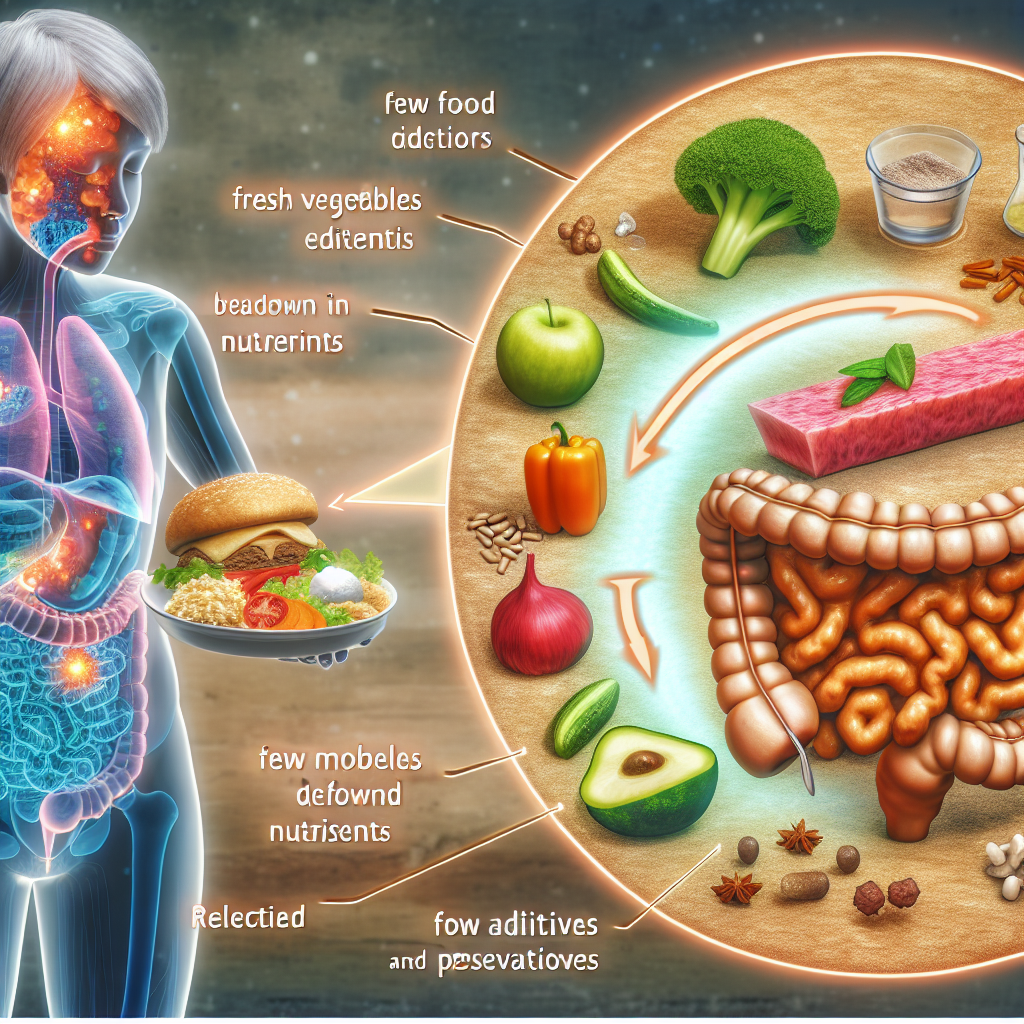
Urbanization brings its suite of environmental factors, from increased exposure to processed foods to higher stress levels, both of which have been documented to impact gut health negatively. Modern diets, riddled with preservatives and low in fiber, do not support a healthy microbiome. Meanwhile, stress can exacerbate gut disorders by altering gut motility and secretion.
Understanding these unknown environmental triggers is crucial for developing effective preventive strategies and natural treatments. The integration of herbal remedies, dietary changes, and lifestyle modifications can support gut health by mitigating these environmental impacts while addressing the root causes of microbial imbalance.
Professional and Medical Studies
Several groundbreaking studies have shed light on the environmental contributions to chronic digestive disorders. A pivotal study published in the journal [Microbiome](https://microbiomejournal.biomedcentral.com/) outlined the impact of agricultural chemicals, particularly glyphosate—a commonly used herbicide—on the gut microbiome. Researchers found that even low levels of glyphosate exposure can significantly alter the gut bacterial composition, reducing the population of essential microorganisms known for synthesizing vitamins and boosting immunity.
Another study in the [Journal of Gastroenterology](https://link.springer.com/journal/535) investigated the consequences of air pollution on digestive health. The researchers recorded a correlation between high pollution levels and increased cases of gastroesophageal reflux disease (GERD) and IBS. They hypothesized that pollutants may alter immune responses or directly affect the cells lining the gastrointestinal tract.
Antibiotic use and its implications on gut health have been extensively documented in a review published in [Nature Reviews Gastroenterology & Hepatology](https://www.nature.com/nrgastro/). The review highlighted cases where patients developed chronic digestive conditions after long courses of broad-spectrum antibiotics. This misuse often leads to long-term changes in gut flora, fostering environments conducive to harmful bacteria like Clostridium difficile.
Furthermore, the role of diet was featured in a large-scale study called the [American Gut Project](https://www.nature.com/collections/bgkjeghthj), which analyzed gut microbiomes from thousands of participants worldwide. The findings suggest that diversity in plant-based foods can contribute to a more varied and resilient microbiome, which can combat the adverse effects of environmental pollutants.
Urban stress and its link to gut health have also been studied. The [European Journal of Neuroscience](https://onlinelibrary.wiley.com/journal/ejn) discussed the connection between stress, often higher in urban settings, and alterations in gut motility and secretion, which exacerbate symptoms of IBS.
Conclusion
As we unveil these unknown environmental triggers, it becomes increasingly clear that achieving optimal gut health requires a multifaceted approach. By bridging knowledge gaps and integrating natural and herbal treatments with environmental awareness, individuals can take proactive steps toward mitigating the impact of these hidden triggers. Emphasizing holistic lifestyle practices, such as consuming diverse plant-based diets, minimizing exposure to pollutants, and managing stress, can nourish both gut health and overall well-being. Continued research and public awareness are crucial as we strive to understand and address the complexities of chronic digestive disorders in an ever-changing world.
Concise Summary
Recent research highlights the significant role of environmental factors in chronic digestive disorders like IBS, Crohn’s Disease, and Ulcerative Colitis. Key triggers include pesticides, pollution, antibiotic misuse, and urban lifestyle factors, all of which disrupt the gut microbiome. Studies underscore the importance of maintaining a diverse and resilient microbiome, achieved through dietary diversity, environmental awareness, and stress management. A holistic approach, combining herbal remedies, lifestyle adjustments, and ongoing research, is vital for mitigating environmental impacts and improving digestive health. Understanding these multifaceted factors helps in developing effective preventive and treatment strategies.