Uncovering the Hidden Gut Players: The Forgotten Role of Archaea in Digestive Health and Longevity
Introduction
When we think about our gut microbiome, bacteria usually take center stage. These microscopic organisms are hailed for their essential roles in digestion, immunity, and overall health. However, within the bustling environment of the gut lies a lesser-known but equally fascinating group of microorganisms called archaea. Archaea are often overlooked because they were historically thought of as extremeophiles, thriving in harsh environments like hot springs and salt lakes. However, recent advancements in microbial research have uncovered their significant presence and potential impact within the human gastrointestinal tract.
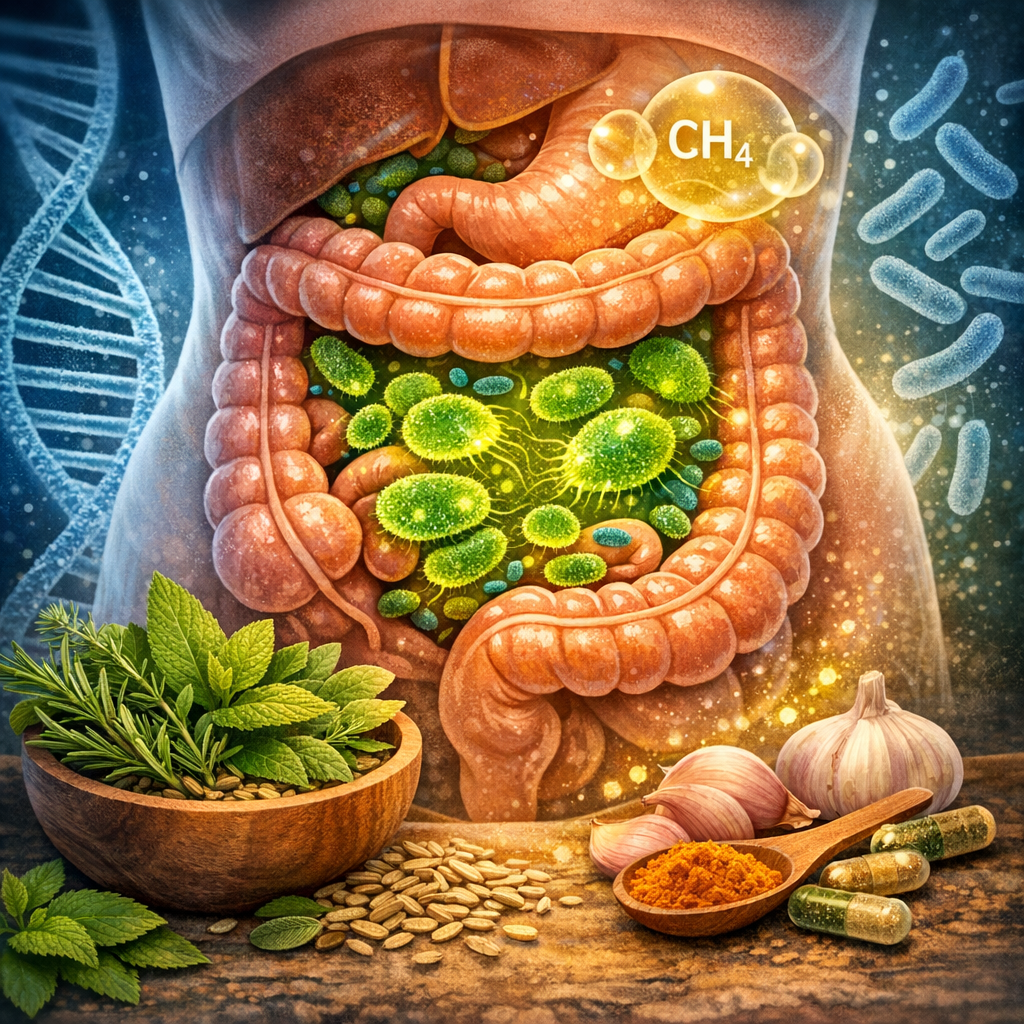
Archaea, particularly methanogens, have unique biochemical capabilities that differentiate them from bacteria. For instance, they are involved in the process of methanogenesis, where they convert hydrogen and carbon dioxide into methane. This metabolic pathway is critical because it helps to regulate hydrogen levels in the gut, which can influence digestion and the fermentation processes carried out by other microbes. An imbalanced gut microbiome that includes high levels of methane-producing archaea has been linked to various digestive issues, such as constipation and irritable bowel syndrome (IBS).
Despite their relevance, the role of archaea remains under-explored in the realm of gut health and longevity. Understanding how these microbes influence our digestive system and overall well-being is paving a new path toward natural and holistic approaches to gut health. Herbal treatments and natural cures that support gut ecology may need to consider archaea as part of the equation. For instance, dietary interventions and prebiotic fibers targeting archaea-friendly environments might help maintain a balanced gut microbiome and thus improve digestive efficiency and overall health.
Features
While bacteria have been the main focus of gut microbiome studies, intriguing research is emerging regarding the possible role of archaea. According to a 2017 study published in Nature Microbiology, archaea constitute an essential component of the microbiome in many people. Specifically, Methanobrevibacter smithii, one of the most common methanogenic archaea, prominently contributes to the regulation of gut microbiota. This microbe is known to assist in the breakdown of complex polysaccharides commonly found in our diet, promoting digestive efficiency and energy extraction from food.
Another study published in Scientific Reports in 2019 highlighted the potential link between archaea and gut health disorders. Their findings indicated that archaea might be significant players in diseases characterized by dysfunctional microbial ecosystems, such as IBS. Research suggests that controlling methanogen populations could become a target for managing such conditions. For example, interventions that reduce high methane levels in the gut are believed to help alleviate symptoms of constipation-predominant IBS.
Herbal treatments that maintain balanced archaeal activity could emerge as practical solutions for gut health management. Fennel, peppermint, and ginger, for instance, have traditionally been used to support digestion and alleviate gastrointestinal discomfort. These herbs might modulate archaeal populations by influencing the gut’s biochemical environment favorably. Furthermore, prebiotic fibers such as inulin offer a promising angle in nurturing a healthy archaeal balance. Inulin, found in foods like chicory root and Jerusalem artichokes, is known for its role in selective fermentation, fostering beneficial microbial communities.
Overall, the evolving scientific understanding of archaea enhances the narrative around holistic gut health strategies. By integrating knowledge about these intriguing microscopic entities into natural healing practices, we can potentially unlock new avenues for sustainable health and longevity improvement.
Conclusion
The exploration of archaea in the context of digestive health is a developing frontier that could redefine how we approach gut wellness. These ancient microorganisms, often overshadowed by bacteria, could play crucial roles in maintaining balanced gut ecosystems and influencing overall health and longevity. As research continues to delve deeper into their functions and interactions, the potential for innovative natural and herbal approaches to enhance gut health becomes increasingly promising. Emphasizing the inclusion of archaea-supportive practices in our diets could lead us toward a more comprehensive and effective strategy to achieve optimal digestive health and a longer life.
Concise Summary
Archaea, particularly methanogens, play a crucial yet often overlooked role in gut health, participating in processes like methanogenesis which influences digestion and microbial balance. Research highlights their involvement in digestive issues such as constipation and IBS, suggesting potential for interventions. Herbal treatments and prebiotic fibers may support archaeal balance, enhancing gut health and longevity. As scientific understanding grows, incorporating archaea-friendly practices into diets and natural healing approaches could revolutionize strategies for achieving digestive health and extended life. Emphasizing archaea’s role might lead to more comprehensive gut wellness strategies.