Revolutionizing Gut Health: The Next Frontier of Biochemical Pathway Targeting
Introduction
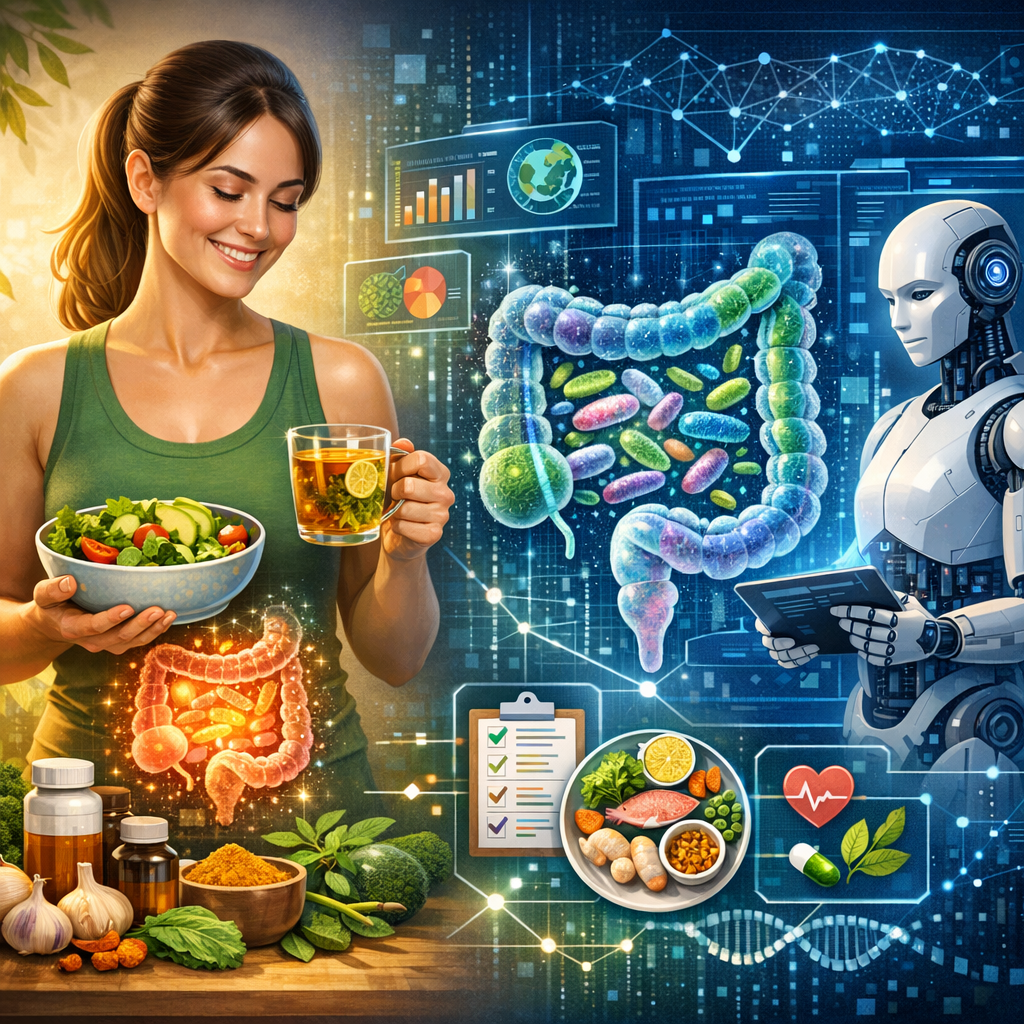
In the ever-evolving field of health and wellness, the gut microbiome has captured the collective imagination of scientists, medical professionals, and the public. Often referred to as the ”second brain,” the gut plays a pivotal role in maintaining overall health, influencing everything from digestion to mental well-being. As our understanding of the gut microbiome’s complexities grows, so does the intrigue around natural cures and herbal treatments that promise to enhance gut health by targeting biochemical pathways. This interest has ushered in a new era of scientific exploration aimed at revolutionizing gut health management.
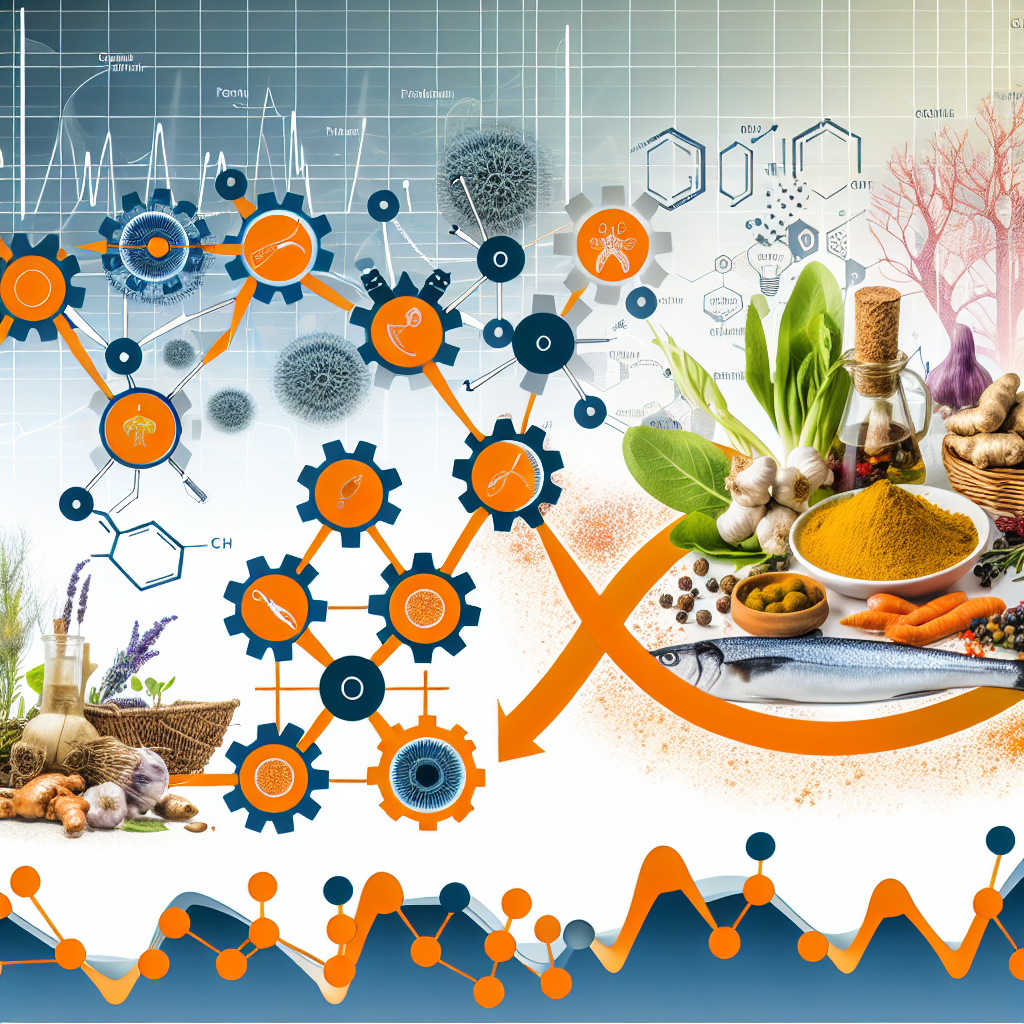
Biochemical pathways are the series of chemical reactions that occur within a cell. In relation to gut health, these pathways are critical for nutrient absorption, maintaining the integrity of the gut lining, and regulating the immune response. Dysregulation in these processes can lead to a variety of issues, including inflammatory bowel disease, irritable bowel syndrome, and even metabolic disorders. The challenge and the opportunity lie in finding ways to manipulate these pathways to achieve optimal gut health.
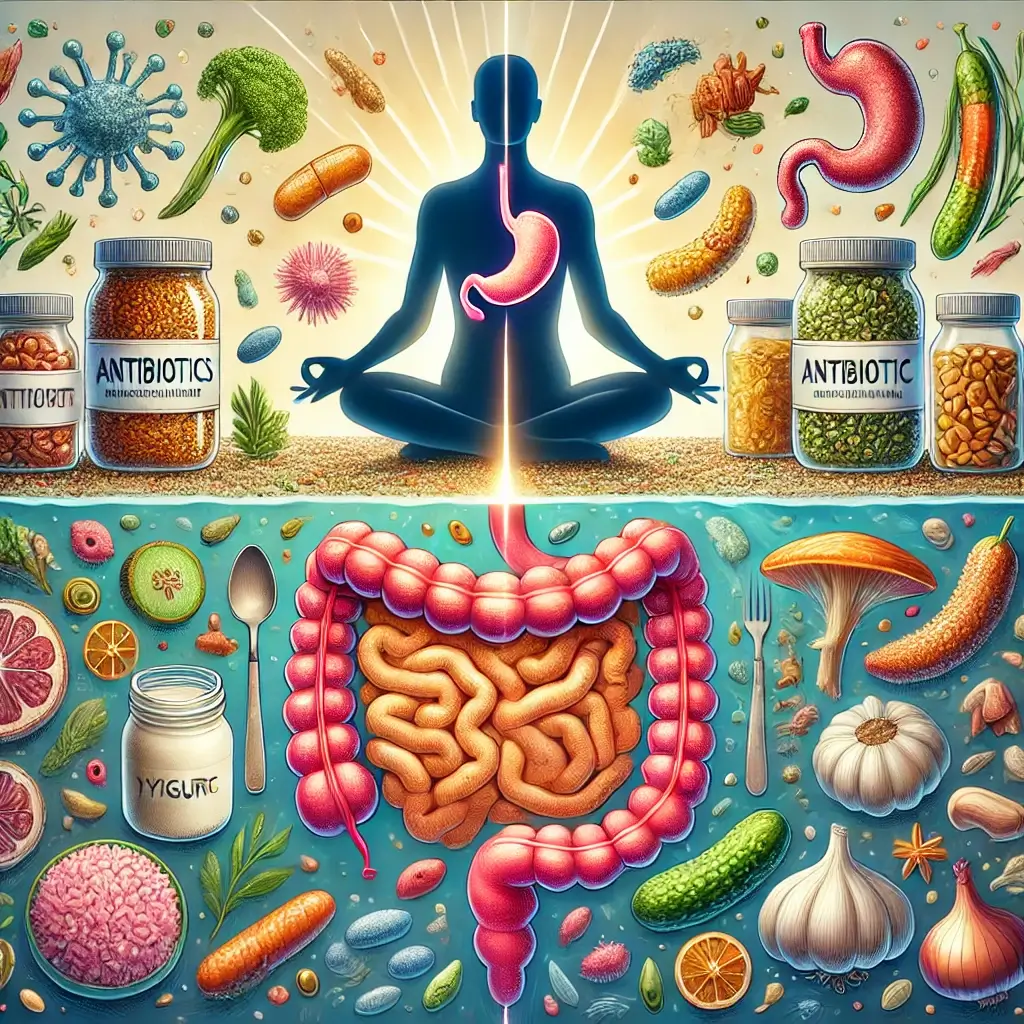
Natural and herbal treatments have long been touted for their gut health benefits. Probiotics, prebiotics, and plant-based compounds are at the forefront of current research. Probiotics like Lactobacillus and Bifidobacterium species are known for their role in balancing gut flora, while prebiotics serve as food for these beneficial bacteria. Additionally, various plant-based compounds, such as curcumin from turmeric and allicin from garlic, are being explored for their potential to modulate gut inflammation and improve the gut’s biochemical pathways.
Recent advancements in technology are allowing scientists to dig deeper into the complex interplay between these natural substances and our biological systems. Techniques such as metabolomics and metagenomics are unraveling how specific compounds influence gut-related biochemical pathways. The ultimate goal is to create highly personalized treatment strategies that offer natural, safe, and effective solutions for those seeking better gut health. As we stand at the cusp of this new frontier, it’s essential to understand the promise and limitations of these emerging therapies.
Features
Numerous studies have begun to elucidate the role of herbal treatments and dietary interventions in targeting gut-related biochemical pathways. For instance, a study published in Nature Microbiology highlighted the impact of the Mediterranean diet—rich in fruits, vegetables, nuts, and whole grains—on promoting a diverse gut microbiome. This diversity is linked to enhanced functioning of various biochemical pathways that support gut health ([Nature Microbiology](https://www.nature.com/articles/nmicrobiol201612)).
Curcumin, the active compound found in turmeric, has also gained attention for its therapeutic potential. Research published in the Journal of Clinical Medicine suggests that curcumin can modulate gut inflammation by interacting with nuclear factor-kappa B, a protein complex that controls DNA transcription and cytokine production ([Journal of Clinical Medicine](https://www.mdpi.com/journal/jcm)). This biochemical interaction not only helps to reduce inflammation but also plays a role in maintaining the integrity of the gut lining, offering a natural safeguard against conditions such as leaky gut syndrome.
Another promising compound is allicin, found in garlic. According to a study in Frontiers in Microbiology, allicin exhibits antimicrobial properties that help maintain a balanced gut microbiota, reducing the proliferation of harmful bacteria that can disrupt vital biochemical pathways ([Frontiers in Microbiology](https://www.frontiersin.org/journals/microbiology)).
Aside from these plant-based compounds, the concept of personalized nutrition is becoming a focal point for research. Emerging platforms like nutrigenomics are enabling scientists to analyze the interaction between nutrients and genes, offering tailored dietary interventions that could precisely modulate biochemical pathways for improved gut health ([Nutrigenomics Research](https://www.nutrigenomics.org)).
While these findings are promising, it’s important to approach them with cautious optimism. Continued research and clinical trials are necessary to fully understand the efficacy and safety of these natural treatments in targeting gut biochemical pathways.
Conclusion
The next frontier in gut health is an exciting blend of traditional wisdom and scientific innovation, focusing on biochemical pathway targeting through natural and herbal remedies. While promising studies are paving the way for a revolution in gut health management, further research is crucial to validate these findings and develop practical applications. By integrating advancements in technology and a deeper understanding of the gut’s microbiome, we are moving towards a future where gut health is naturally optimized, enhancing both longevity and quality of life. As these therapies continue to evolve, they hold the promise of not just improved gut health but overall well-being.
Concise Summary:
The article explores the future of gut health management by targeting biochemical pathways through natural and herbal treatments. It highlights the importance of the gut microbiome in overall health and discusses the potential benefits of probiotics, prebiotics, and plant-based compounds like curcumin and allicin. Studies show promising results, with techniques like metabolomics and nutrigenomics advancing personalized treatment strategies. Despite the potential, more research is needed to confirm efficacy and safety. This evolving field promises to enhance gut health, longevity, and quality of life.